
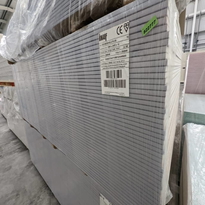
Acoustic Rated Plasterboard
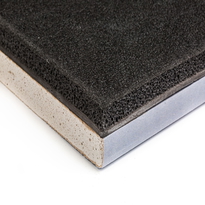
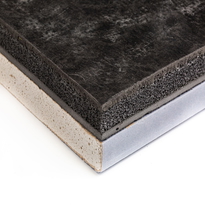
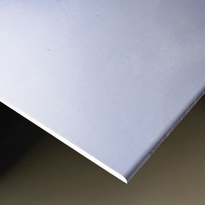
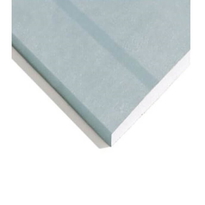
Acoustic rated plasterboard is specially designed to minimise sound transmission between spaces by increasing density, incorporating mineral wool insulation, and applying advanced damping techniques. These panels typically have a higher mass, often around 800–1000 kg/m³, and may feature multiple layers or specialised sealants to enhance their soundproofing capabilities.
These boards are rigorously tested for metrics such as Sound Transmission Class (STC) and Impact Insulation Class (IIC), ensuring reliable performance in reducing noise transfer. Understanding construction methods and installation requirements is essential to optimise soundproofing outcomes. Additional guidance on effective installation helps in achieving the desired acoustic performance and creating more comfortable, acoustically isolated environments.
Understanding Acoustic Performance Metrics
Understanding acoustic performance metrics is essential for accurately evaluating the soundproofing capabilities of plasterboard systems.
These metrics include the Sound Transmission Class (STC), which measures how effectively a plasterboard reduces airborne sound transmission such as speech or music, with higher ratings indicating better sound blocking.
Impact Insulation Class (IIC) assesses the system’s effectiveness in reducing impact noise like footsteps, complementing airborne sound ratings.
The Sound Reduction Index (R) evaluates the partition’s ability to block sound across a range of frequencies, taking into account factors such as stud type and cavity filling.
Additionally, the Noise Reduction Coefficient (NRC) measures how much sound the material absorbs, particularly within mid-range frequencies, which can help improve overall room acoustics.
The Ceiling Attenuation Class (CAC) indicates how well ceilings prevent sound transfer between adjacent spaces.
Together, these metrics provide a comprehensive understanding of a plasterboard system’s acoustic performance, guiding choices for environments requiring effective sound control. Knowing how to interpret these metrics is crucial for selecting the right plasterboard for specific acoustic needs.
Key Applications in Residential and Commercial Spaces
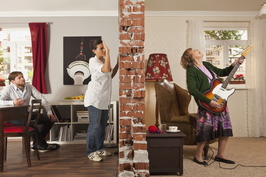
Acoustic rated plasterboard plays a vital role in both residential and commercial constructions by providing effective sound insulation for various applications.
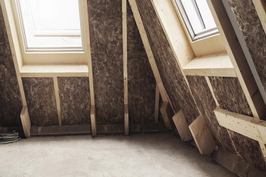
In residential settings, it's essential for party walls and internal partitions, particularly between adjoining dwellings such as flats or terraced houses, ensuring occupant comfort and compliance with building regulations. Typically installed in double layers with timber or metal studs and acoustic mineral wool, it maximises noise reduction. The higher density of acoustic plasterboard makes it more effective at absorbing sound waves compared to standard boards.
This enhances privacy within rooms like bedrooms, home offices, and media rooms, effectively blocking airborne sounds and minimising inter-room noise.
In commercial environments, acoustic plasterboard is used in offices, healthcare facilities, and restaurants to control noise levels, improve sound absorption, and maintain a comfortable atmosphere.
Its durable and moisture-resistant qualities make it suitable for various high-traffic or moisture-prone spaces.
Construction Techniques for Optimal Soundproofing
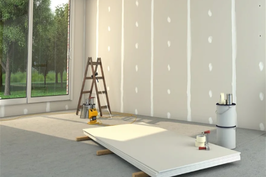
Proper installation techniques are essential to maximising the soundproofing capabilities of acoustic plasterboard, with a focus on ensuring that each component contributes effectively to noise reduction.
The process begins by using a consistent grid system, with screws spaced at 300 mm to secure panels firmly and evenly, preventing vibrations that could transmit sound.
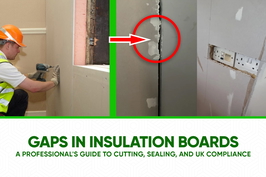
Gaps between panels and at joints are sealed with specialised materials such as Green Glue or acoustic caulk, blocking potential sound leaks.
Installing multiple layers of dense plasterboard, such as Gyproc SoundBloc, increases wall mass and enhances performance.
Edge treatment with acoustic sealants ensures seams remain airtight.
Additionally, reinforcing junctions at floors and skirting boards helps to avoid structural weaknesses, ensuring the entire installation functions as an integrated soundproof barrier.
Comparing Acoustic Plasterboard to Standard Options
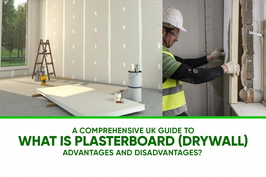
Compared to standard plasterboard, acoustic plasterboard provides notable improvements in sound insulation owing to its increased mass and specialised composition. Its higher density, typically between 800 and 1000 kg/m³, enhances sound attenuation by blocking more sound waves—especially at mid and high frequencies. Its density is significantly greater than that of standard plasterboard, contributing to its superior soundproofing capabilities. With thicknesses reaching up to 15 mm and beyond, acoustic boards can deliver 3 to 5 dB greater noise reduction than standard options, making them ideal for areas where soundproofing is a priority. The inclusion of additives and fibre reinforcement further strengthens damping capabilities and structural integrity. Although acoustic plasterboard tends to be more expensive and slightly heavier than standard plasterboard, it offers a cost-effective solution for addressing noise issues. It presents a practical alternative to multiple layers of standard boards, often simplifying installation and space utilisation. Acoustic plasterboard is widely available across different markets and manufacturers, making it a readily accessible choice for enhancing soundproofing in a variety of applications.
Factors Affecting Installation and Performance
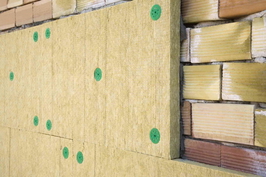
The effectiveness of acoustic plasterboard installation depends heavily on several key factors that influence both the ease of installation and the overall acoustic performance of the finished assembly. Accurate framework preparation is essential; studs must be stable, properly aligned, and spaced correctly, typically at 600mm centres for single layers and 400mm centres for multiple layers, to ensure structural integrity and soundproofing. Proper measurement and layout are crucial to achieve the intended acoustic outcome. Insulation, such as semi-rigid mineral wool with a density of 45-60 kg/m³, is critical for absorbing sound within cavities. Decoupling techniques, like resilient bars installed at specified centres, help to reduce vibration transfer, while correct fixing and spacing—using manufacturer-recommended fixings at 230mm centres—prevent joint weaknesses. Thorough substrate preparation, free of debris and structural flaws, guarantees secure fixing and consistent acoustic performance.
Conclusion
Acoustic-rated plasterboard provides a dependable solution for soundproofing across a range of construction applications. Its effectiveness is influenced by factors such as material composition, installation methods, and environmental conditions. A thorough understanding of key metrics, suitable use cases, and correct installation procedures is essential for optimising sound reduction performance. When compared to standard plasterboard, acoustic-rated boards typically offer notable improvements in noise control, making them an advantageous choice for creating quieter living and working spaces.
Careful consideration of the variables that affect acoustic performance, along with adherence to relevant technical guidelines, is vital in achieving the desired level of insulation. This ensures maximum soundproofing benefits in both residential and commercial environments, contributing to more comfortable and acoustically balanced spaces.