
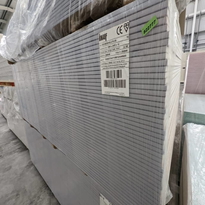
Best Soundproof Plasterboard
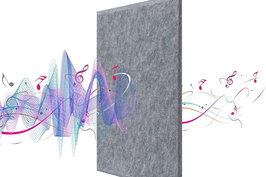
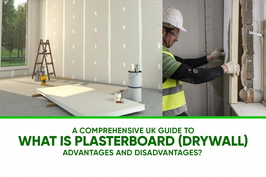
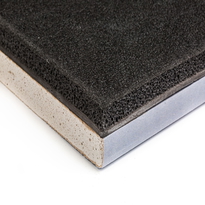
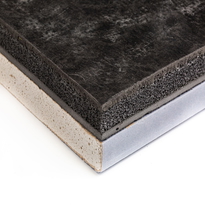
The best soundproof plasterboard combines high-density cores, increased thickness, and specialized formulations that enhance acoustic insulation by effectively reducing airborne noise transmission across various environments. Leading products from top brands such as Knauf, Gyproc, and British Gypsum achieve high Sound Transmission Class (STC) ratings through multilayer construction, dense cores, and sound-absorbing materials like mineral wool.
Proper installation is essential; sealing gaps and joints, as well as integrating these boards with suitable insulation materials, maximizes soundproofing performance.
Exploring these options provides a comprehensive understanding of how to achieve optimal acoustic performance.
Types and Key Features of Acoustic Plasterboards
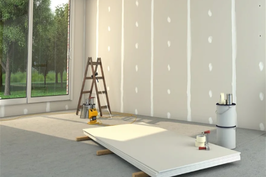
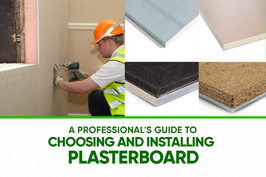
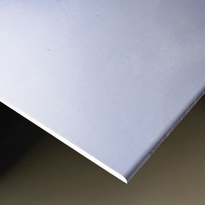
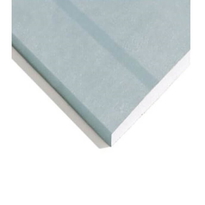
There are several distinct types of acoustic plasterboards, each designed to meet specific soundproofing requirements by incorporating varied materials, densities, and construction features. Gypsum-based acoustic plasterboards are generally thicker and denser than standard plasterboards, which significantly enhances their ability to reduce sound transmission. Specialized manufacturing processes contribute to these boards' enhanced acoustic properties, increasing their effectiveness in sound insulation. Sound-resistant plasterboards typically measure between 12.5 and 15 mm in thickness and have a higher density, ranging from 820 to 870 kg/m³. These specifications provide improved noise insulation, making them suitable for separating noisy environments from quieter areas. Fire control plasterboards are engineered to combine acoustic performance with fire resistance. Their densities range from 780 to 850 kg/m³, and they often include fire-retardant additives, making them ideal for use in areas where fire safety is essential alongside soundproofing. Moisture-resistant variants incorporate moisture-resistant properties without compromising their acoustic capabilities. These boards generally have slightly lower densities, between 680 and 700 kg/m³, making them suitable for use in humid or damp environments where both sound insulation and moisture resistance are necessary. Typically, these boards feature high-density cores, increased thickness, and in some cases, multi-layer construction. These design elements work together to maximize sound absorption, reduce airborne noise transmission, and enhance safety features within various building applications.
Top Brands and Popular Products for Soundproofing
Several leading brands dominate the UK market for soundproof plasterboards, offering a diverse range of products that cater to different performance and application needs. Knauf, Gyproc, British Gypsum, Saint-Gobain, and Resonate Systems are prominent providers, each specializing in solutions designed for effective noise reduction. These brands are recognized for their high Sound Transmission Class (STC) ratings, durable materials, and fire-resistant options, with products suitable for various environments such as residential, commercial, and industrial settings. For instance, Knauf’s Sound Shield and Gyproc’s SoundLine are engineered to deliver superior sound insulation performance. Meanwhile, British Gypsum’s SoundCrete provides a combination of durability and acoustic benefits that make it an excellent choice for soundproofing projects. These products are widely accessible across the UK, ensuring both professionals and DIY enthusiasts can source reliable solutions that meet high standards of quality and safety. The availability of innovative materials further enhances the effectiveness of modern soundproof plasterboards, making them a preferred choice in construction and renovation projects.
Applications and Benefits in Different Spaces
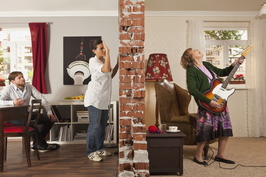
How do soundproof plasterboards improve different spaces across various environments? They provide effective noise reduction by dampening airborne and impact sounds, creating quieter, more comfortable settings. Soundproof plasterboard significantly minimizes noise transmission, enhancing the overall acoustic environment.
In homes, they enhance privacy between rooms and improve acoustics in home theatres, while also offering thermal insulation to maintain steady temperatures and reduce energy costs.
Commercial spaces benefit through increased productivity, better sound isolation in meeting rooms, and improved customer experiences in environments such as restaurants.
Educational institutions utilize them to create quieter classrooms, reducing distractions and supporting effective learning.
In healthcare settings, these boards ensure patient privacy and comfort, helping facilities comply with noise regulations.
In entertainment venues, they contain sound within designated areas, ensuring sound clarity and preventing external noise interference.
Design Tips for Optimal Acoustic Performance
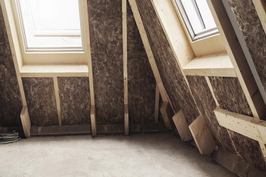
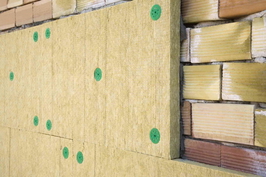
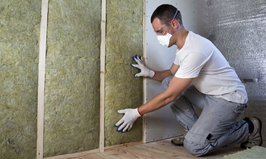
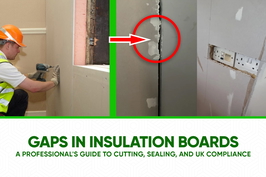
Achieving superior acoustic performance with soundproof plasterboard requires careful consideration of material properties and installation techniques. Selecting panels with a higher density core enhances sound absorption by reducing sound transmission through the wall. Thicker panels increase mass, improving their ability to block airborne noise. Implementing a multi-layer approach by combining soundproof plasterboard with materials like mineral wool insulation further amplifies sound dampening. Density and thickness of the plasterboard are critical factors influencing their soundproofing effectiveness. Proper wall construction is essential; integrating soundproofing into the original design generally yields better results than retrofitting. Ensuring gaps and joints are sealed prevents sound leaks. Consulting professionals guarantees correct installation methods. Regular inspections and maintenance of the installed system help preserve its effectiveness over time. Adhering to these design principles ensures maximum acoustic performance, contributing to a quieter, more comfortable environment.
Comparing Soundproof Plasterboard With Other Materials
Compared to standard plasterboard, soundproof plasterboard offers significantly superior noise reduction by providing higher resistance to sound transmission, which results in lower noise levels passing through walls. Its increased thickness and specialized core, which may vary in density, enhance its acoustic performance across a broad frequency range. Its thicker and denser design makes it more effective at blocking sound. When combined with sound-absorbing materials like mineral wool and installed using appropriate techniques, its effectiveness improves further. It can often achieve Sound Transmission Class (STC) ratings of up to 36 dB or higher. Unlike acoustic panels, which absorb sound within a space, this plasterboard acts as a barrier, blocking noise transmission between rooms. While some materials like mineral wool excel at sound absorption and resilient bars help decouple walls, soundproof plasterboard amplifies overall soundproofing when integrated correctly. Proper installation is essential for optimal acoustic performance and durability in soundproofing applications.
Conclusion
Selecting the appropriate soundproof plasterboard depends on specific requirements, including acoustic performance, installation environment, and budget constraints. When choosing, it is important to evaluate different types and brands to ensure effective soundproofing tailored to your needs. Proper installation techniques play a crucial role in maximizing the acoustic benefits of the material.
Understanding the differences between various soundproof plasterboards and their individual benefits allows for a more informed decision, ensuring optimal sound reduction in residential, commercial, or industrial settings. Utilizing materials correctly and applying them with precision can significantly enhance comfort and privacy.
Careful planning and precise execution are essential for achieving long-term soundproofing outcomes. By prioritizing technical knowledge and attentive installation, you can create quieter, more peaceful spaces that meet your specific noise reduction goals.