What Is Black Foam Insulation and How Does It Protect Pipes?
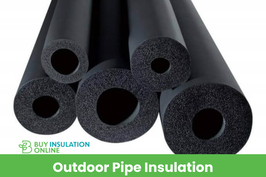
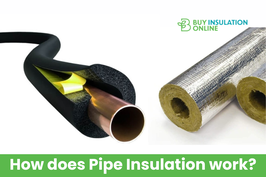
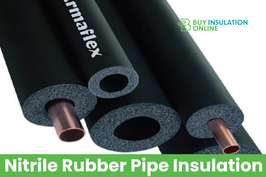
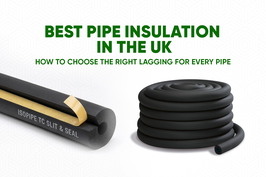
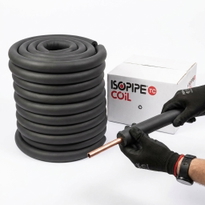
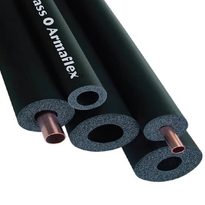
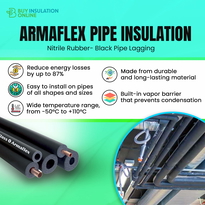
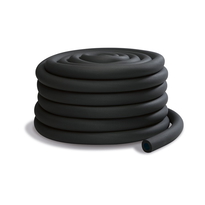
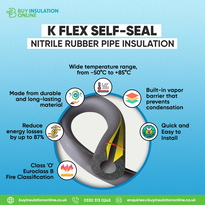
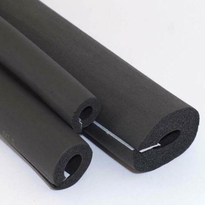
Black foam insulation is a widely used material for protecting pipes from temperature fluctuations and potential damage. Comprising a lightweight, flexible foam, it effectively insulates pipes by minimising heat loss or gain. The black hue is advantageous, as it can either absorb or reflect sunlight, making it particularly useful in outdoor environments.
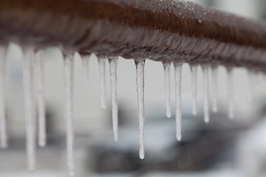
This type of insulation acts as a barrier, keeping cold air out and warm air in, thus maintaining a consistent temperature. It plays a crucial role in preventing pipes from freezing during colder months and overheating in warmer weather.
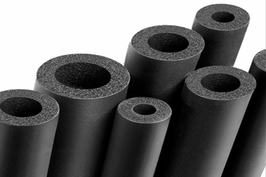
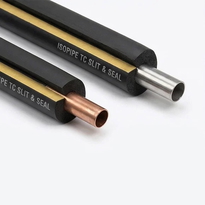
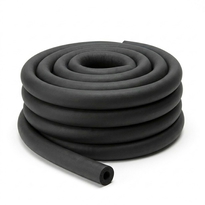
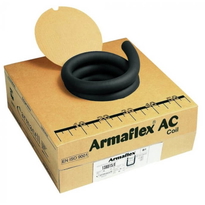
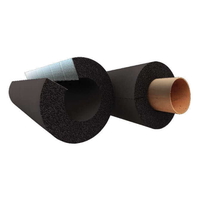
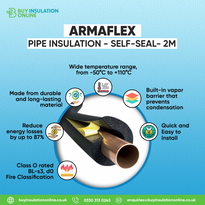
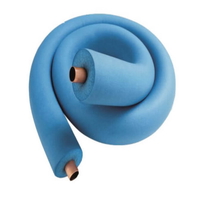
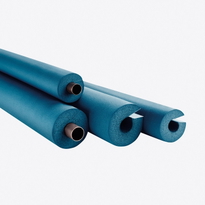
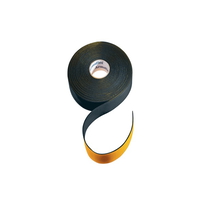
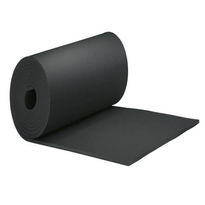
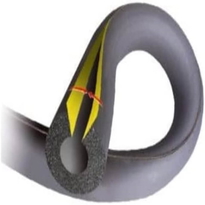
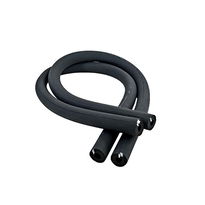
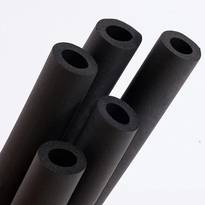
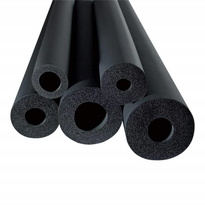
Black foam insulation is designed for easy installation, typically available in pre-formed tubes or sheets that fit securely around various pipe sizes. Its durability, combined with cost-effectiveness, makes it a preferred choice among homeowners and professionals alike, ensuring reliable plumbing and protection against environmental extremes.
Whether for residential or commercial use, black foam insulation proves essential in safeguarding pipes and enhancing energy efficiency.
How to Choose the Best Black Foam Pipe Insulation
Choosing the right black foam pipe insulation is essential for ensuring optimal protection and efficiency. Here are key factors to consider when making your selection.
Pipe Size and Fit
Start by assessing the size of your pipes. Selecting insulation with the correct thickness and diameter is crucial to prevent any gaps that could lead to heat loss or freezing.
R-Value
Next, evaluate the material’s R-value, which indicates its thermal effectiveness. Higher R-values are indicative of better insulation performance, ensuring your pipes remain protected from temperature extremes.
Durability
Consider the durability of the insulation, particularly if the pipes are exposed to outdoor elements or potential damage. A robust product will provide long-lasting protection.
Installation
Ease of installation is another important factor. Look for insulation that's user-friendly, allowing for quick and efficient fitting.
Additionally, consider whether the insulation offers moisture or mould resistance, which can be vital in damp environments.
Environmental Impact
If sustainability is a priority, opt for products made from eco-friendly materials. This choice not only supports environmental health but also aligns with a responsible approach to property maintenance.
A Step-by-Step Guide to Installing Black Foam Pipe Insulation
Installing black foam pipe insulation is a straightforward task that can be completed with a few basic tools and careful attention to detail.
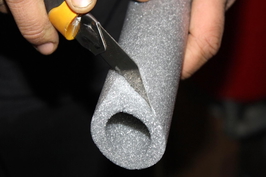
First, measure the length of the pipe that requires insulation, then cut the foam tubing to fit.
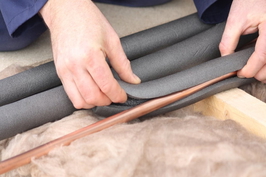
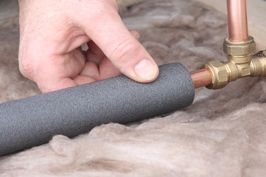
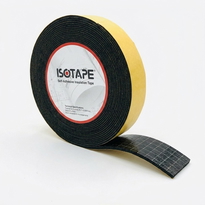
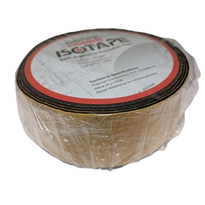
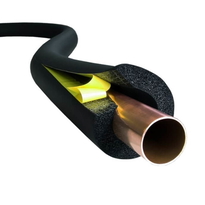
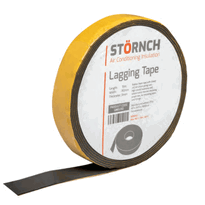
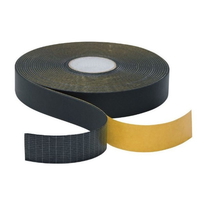
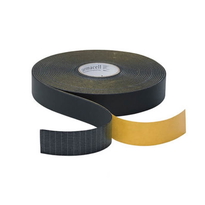
Next, gently open the slit along the side of the insulation and slide it onto the pipe, ensuring a snug fit. Use insulating tape to secure any seams or gaps, making sure the foam remains firmly in place.
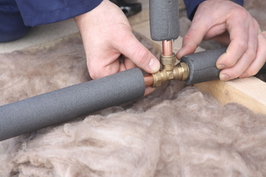
For valves or fittings, cut small sections of foam and fit them around these areas, sealing with tape if necessary.
Check that the insulation covers the entire exposed pipe, particularly near connections. Properly installed insulation helps to prevent heat loss and protects pipes from freezing, creating a more comfortable environment in your home.
Mistakes to Avoid When Insulating Pipes
One common mistake to avoid is failing to measure and cut the insulation accurately before installation. Precise measurements are essential to ensure the foam fits snugly around pipes, preventing gaps that can diminish the effectiveness of the insulation.
Cutting too short leaves sections exposed, while cutting too long can result in waste and complications during installation.
It’s vital to clearly mark the correct measurements and utilise a sharp utility knife for clean cuts. Rushing this step may lead to poorly fitting insulation, compromising energy efficiency and increasing the risk of pipes freezing or sweating.
Taking the time to measure accurately and cut properly helps create a seamless barrier, ensuring the insulation performs as intended and delivers a neat, professional finish.
Proper preparation not only enhances the insulating process but also saves time and money in the long run.
How Black Foam Insulation Saves You Money in the Long Run
Black foam insulation can be a wise investment for homeowners, leading to substantial savings over time. By effectively reducing energy loss, it helps keep your home warm and cosy while lowering energy bills. When pipes are properly insulated, heat is retained, which means your heating system doesn’t have to work as hard.
Moreover, insulation plays a crucial role in preventing pipes from freezing during colder months. This not only avoids the inconvenience of frozen pipes but also protects you from the potentially high costs of repairs and replacements.
In the long run, these savings accumulate, making insulation a sensible choice. By minimising the risk of leaks caused by burst pipes, homeowners can avoid significant property damage.
Choosing black foam insulation fosters a more energy-efficient and durable home environment. This straightforward step not only cuts costs but also provides peace of mind, knowing that your plumbing is safeguarded.
Investing in black foam insulation is a proactive measure that benefits both your finances and your home’s integrity.
Conclusion
Black foam insulation is an effective solution for protecting pipes against temperature fluctuations and minimising heat loss. Selecting the appropriate type, ensuring correct installation, and steering clear of common errors can significantly enhance its advantages.
Proper insulation not only helps to prevent pipe damage but also boosts energy efficiency, leading to substantial savings over time. Understanding the installation and maintenance processes for this insulation is essential for ensuring long-lasting protection and cost-effectiveness.
In summary, black foam pipe insulation serves as a practical choice for preserving the integrity of pipes across a variety of environments. Its benefits extend beyond mere protection, contributing to overall energy efficiency and financial savings.
Featured Articles on Black foam insulation for pipes