Blue Plasterboard Waterproof
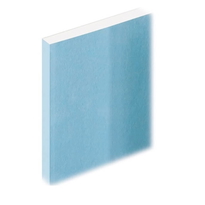
Water-resistant blue plasterboard is engineered with specialised additives and treated cores that significantly reduce water absorption, making it suitable for high-humidity environments such as bathrooms, kitchens, and utility rooms. Its reinforced edges, hydrophobic face paper, and moisture-blocking core prevent water penetration, mould, and mildew growth, ensuring durability over time. While not designed for continuous immersion, it effectively tolerates occasional moisture contact. For application guidance, installation tips, and maintenance practices, further information can help ensure optimal use and longevity.
Key Features of Water-Resistant Blueboard
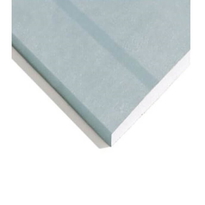
Water-resistant blue plasterboard is specifically designed to tolerate exposure to moisture, making it highly suitable for use in environments with high humidity or occasional water contact. Its core contains specialised additives that markedly reduce water absorption, complying with Type H1 standards for moisture resistance. The gypsum core is often rendered hydrophobic or enhanced with moisture-blocking properties to effectively prevent water penetration. The panels feature a distinctive blue face paper made from recycled materials, engineered to control water uptake while providing an optimal surface for plaster adhesion. These features help to safeguard walls and ceilings from problems associated with damp, such as mould growth and staining. Additionally, the panels are manufactured with a high-quality face paper that enhances durability against moisture and mechanical impact, reinforcing their suitability for wet or humid conditions. Furthermore, water-resistant blueboard is reinforced along its edges, including tapered long edges and folded blue face paper, to defend against mechanical damage and moisture ingress. This reinforcement ensures long-term durability even when subjected to wet conditions, making it a reliable choice for areas prone to humidity or occasional contact with water.
Suitable Environments for Blueboard Applications
Blueboard is particularly well-suited for environments subject to elevated humidity levels or occasional water contact, where maintaining the integrity of interior surfaces is a priority. It's ideal for use in high-moisture areas such as bathrooms, kitchens, laundry rooms, and utility rooms, where consistent humidity or splashes are common. This material performs effectively by resisting mould and mildew growth, preventing damage caused by moisture penetration, and reducing the need for frequent repairs. Water resistance is a key advantage, making it suitable for such challenging environments. The durability of Blueboard makes it suitable for indoor pools, spas, and homes situated in humid climates, where maintaining a dry, stable environment is essential. While it can withstand occasional water contact, it isn't designed for continuous immersion, highlighting the importance of selecting appropriate areas to maximise its preventative benefits and cost-effectiveness.
Tips for Installing and Maintaining Blue Plasterboard
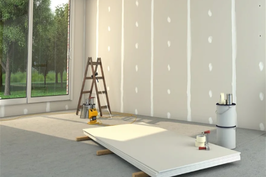
Proper installation and maintenance of blue plasterboard require careful attention to detail and adherence to established best practices to ensure durability, effectiveness, and safety. During installation, it's essential to prepare the environment by confirming all framing is secure and dry before mounting sheets to prevent moisture damage. Gyprock manufacturing uses among the lowest energy among building products, which underscores the importance of maintaining the integrity of the system during installation to maximize its environmental benefits. Beveled edges should be used for seams to minimise visibility and improve finish quality. Screws must be inserted approximately 150 mm apart, ensuring a firm attachment to studs. Joints should be taped with specific materials such as fibre glass or paper tape, followed by applying joint compound to create a smooth, sealed surface. Regular inspections help identify gaps, cracks, or potential water issues early, allowing prompt repairs with waterproof sealants to preserve the integrity of the plasterboard. Employing specialised tools like lifts and following safety precautions ensures correct, safe processes.
Conclusion
Blue plasterboard waterproofing features, such as its water-resistant core and specially treated surface, make it suitable for high-moisture environments like bathrooms and kitchens. Proper installation involves precise measurement, secure fastening, and appropriate sealing to prevent water ingress. Regular maintenance includes inspecting for damage and maintaining seals to ensure longevity. Understanding these key aspects ensures effective application and durability of blueboard, allowing it to perform reliably in moisture-prone settings while reducing the risk of structural issues caused by water damage.