Gyproc Sound Block Board
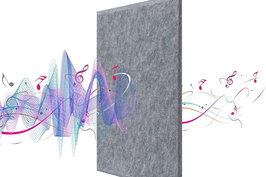
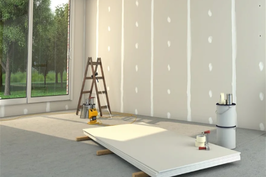
Gyproc SoundBloc Board is a high-density, moisture-resistant, and fire-retardant partition material designed to provide optimal sound insulation across a variety of construction settings. Primarily composed of aerated gypsum reinforced with glass fibres and treated with water-repellent additives, it adheres to rigorous safety and fire standards, including EN 520 and BS 476.
This versatile board is ideal for constructing walls, partitions, and spaces where noise reduction is a priority. Its robust composition ensures durability and ease of installation, making it suitable for both commercial and residential projects.
Further detailed specifications and best practice guidelines are available to ensure optimal performance tailored to specific requirements.
Composition and Material Features of Gyproc SoundBloc Boards
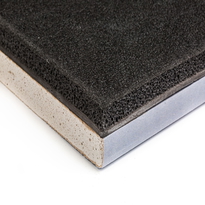
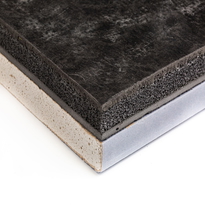
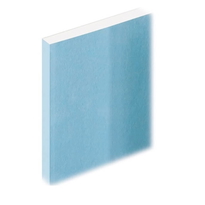
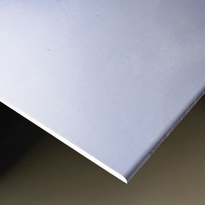
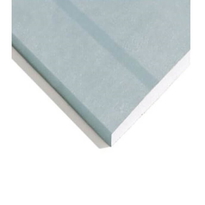
Gyproc SoundBloc boards are manufactured with a core primarily made of aerated gypsum, which results in a dense and compact material that enhances both sound insulation and fire resistance. Embedded within this core is glass fibre reinforcement, providing increased strength and durability, while water repellent additives improve moisture resistance—making the boards suitable for a variety of environments. The density of approximately 848 kg/m³ plays a vital role in ensuring effective acoustic performance and fire safety, as the non-combustible core resists ignition and high temperatures. The boards are enclosed in robust paper liners, featuring blue face paper and brown reverse paper, which facilitate easy jointing and finishing. Additionally, the tapered edges enable seamless installation, producing a professional and long-lasting surface. This specific composition also contributes to the board's high moisture resistance and High Density.
Key Applications and Ideal Use Cases
Gyproc SoundBloc boards are extensively utilised in a variety of settings where effective acoustic control is crucial. These environments include commercial, residential, educational, healthcare, and hospitality sectors across the UK. Their high sound insulation properties make them particularly suitable for spaces demanding minimised noise transmission and enhanced speech clarity, such as theatres, recording studios, conference rooms, and home cinemas.
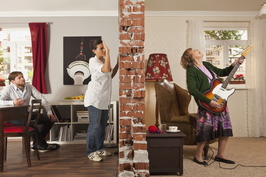
In office buildings, Gyproc SoundBloc boards are often integrated into wall and partition systems to reduce distractions and improve privacy. Within residential interiors, they provide soundproof partitions that help block noise between rooms or separate units, enhancing comfort and livability. The boards are known for their STC up to 70 dB, making them highly effective for soundproofing purposes.
Educational institutions and healthcare facilities benefit from these boards by creating environments conducive to concentration, confidentiality, and patient comfort. In the hospitality industry, especially hotels, Gyproc SoundBloc boards are employed to augment guest experience through superior noise dampening, fostering a peaceful and private atmosphere.
Their versatility and high-performance acoustic properties make them an ideal choice for projects where controlling sound is a priority. They help ensure spaces maintain a tranquil and professional environment across multiple sectors.
Technical Specifications and Compliance Standards
Are the technical standards and safety requirements of Gyproc SoundBloc boards clearly defined? Yes, these boards conform to rigorous international and European standards, ensuring consistent quality and safety standards. They comply with EN 520:2004 Type A and Type D, incorporating the latest amendments to meet recognised norms. The boards are classified as A2 for limited combustibility and feature a Class 1 surface spread of flame in accordance with BS 476, providing dependable fire resistance for various applications.
With a high density of approximately 848 kg/m³, Gyproc SoundBloc boards achieve excellent sound insulation properties, enhancing acoustic performance within both residential and commercial settings. Their water-repellent additives ensure durability and stability in moist or humid environments, making them suitable for bathrooms, kitchens, and other damp locations. The water-repellent additives are tested to withstand prolonged exposure to moisture, further confirming their suitability for humid environments. Additionally, these boards demonstrate tested mechanical strength, including significant flexural strength, making them suitable for demanding usage scenarios.
By adhering to strict certification and conformity standards, Gyproc SoundBloc boards offer safety and peace of mind to users and installers alike. Their proven fire protection qualities help safeguard spaces against fire hazards, while their certified acoustic performance ensures optimal sound insulation.
Installation Techniques and Performance Benefits
Effective installation of Gyproc SoundBloc boards relies on careful preparation of the supporting framework to ensure optimal acoustic performance. The framework must be constructed with precision, maintaining dimensional accuracy and stability throughout the process.
Timber studs should be spaced at 600mm centres for single-layer installations or 400mm centres when multiple layers are utilised. The minimum size for timber studs should be 50mm x 100mm to provide adequate support. When using metal studs, ensure they're at least 70mm thick, with the appropriate gauge to improve soundproofing qualities.
All framework components must be installed in a manner that minimises sound flanking paths, which can undermine the acoustic barrier. Proper framing construction also involves checking for any movement or flexing that could weaken the overall soundproofing performance, so ensuring rigidity is essential.
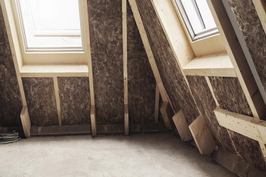
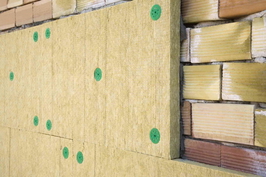
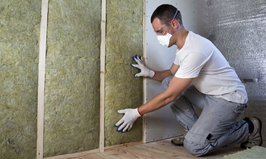
Insulation, such as semi-rigid mineral wool, should be carefully fitted within the cavities to fill gaps completely. For enhanced decoupling, the insulation may be slightly offset from the frame, creating an air gap that further reduces sound transfer.
Boards are fixed using acoustic-rated screws, spaced at recommended intervals to ensure secure attachment without compromising the integrity of the soundproofing. Once installed, all joints and junctions should be sealed with acoustic sealant to form continuous acoustic barriers.
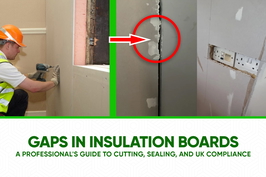
This sealing prevents sound leaks through gaps or joints, maintaining the effectiveness of the soundproofing system.
Conclusion
Gyproc Sound Bloc boards provide an effective solution for sound insulation, utilising specialised materials and precise installation techniques to enhance acoustic performance. Their robust composition ensures durability and compliance with industry standards, making them suitable for a variety of soundproofing applications in both residential and commercial environments.
Proper handling and careful installation are crucial to maximise their performance benefits. Overall, Gyproc Sound Bloc boards offer a reliable, technically sound option for achieving superior sound insulation with long-term durability.