Insulation Behind Plasterboard
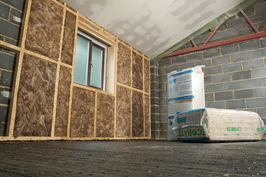
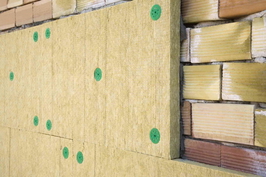
Insulation behind plasterboard enhances wall performance by improving thermal efficiency, soundproofing, and fire safety through various materials such as PIR, XPS, EPS, and mineral wool. These materials offer benefits like reduced heat loss, increased comfort, and lower energy costs, while also providing sound absorption and fire resistance when necessary. The selection of insulation depends on environmental conditions, desired insulative properties, and budget considerations. Ongoing research demonstrates how specific insulation types optimize building performance across diverse applications.
Types of Insulated Plasterboard and Their Advantages
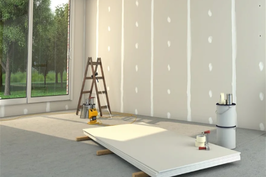
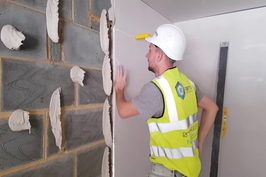
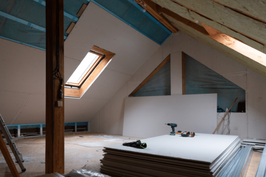
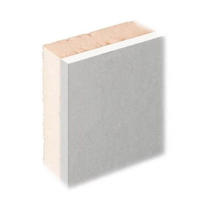
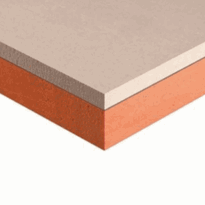
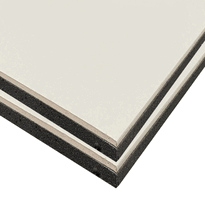
Insulated plasterboard is available in a range of types designed to enhance the thermal, acoustic, and fire resistance properties of walls. Each type offers specific benefits suited to different construction requirements.
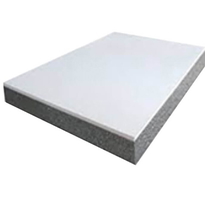
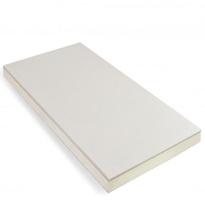
For thermal insulation, polyisocyanurate (PIR) plasterboard provides excellent performance thanks to its low thermal conductivity. This allows for superior heat retention with a thinner profile, making it particularly effective in applications where space is at a premium. PIR boards are also known for their high fire resistance, which further broadens their range of applications. As part of Morgan Advanced Materials' extensive portfolio, PIR insulation materials are crafted with advanced technologies to meet strict safety and performance standards.
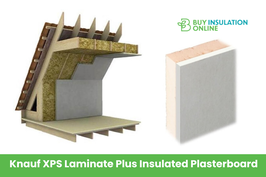
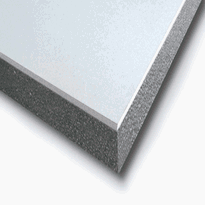
Extruded polystyrene (XPS) plasterboard offers high moisture resistance and strength, making it suitable for use in humid environments such as kitchens and bathrooms. Its durability ensures long-lasting insulation performance even in challenging conditions.
Expanded polystyrene (EPS) boards are a lightweight and cost-effective option that provides moderate insulation properties. EPS is easy to handle and install, making it a popular choice for general insulation purposes where budget considerations are important.
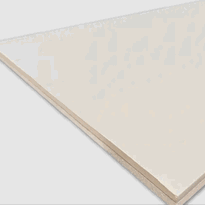
Less commonly used but highly valuable are phenolic foam boards, which deliver fire-resistant insulation. Their fire-resistant qualities make them suitable for applications requiring enhanced safety standards, such as in commercial or public buildings.
Choosing the appropriate type of insulated plasterboard depends on the specific project needs. PIR is ideal for high thermal efficiency, XPS offers durability and moisture resistance, while EPS provides an economical solution balancing cost and performance. Incorporating advanced materials like those developed by Morgan Advanced Materials can help improve overall building thermal performance and safety standards.
Benefits of Installing Insulation Behind Plasterboard
Installing insulation behind plasterboard offers a range of tangible benefits that directly impact a building’s energy efficiency and occupant comfort. Proper insulation significantly reduces heat loss through walls, which can account for 16% to 25% of total heat escape without adequate barriers. This reduction in heat transfer leads to lower heating and cooling costs, as energy consumption becomes more efficient. Adding insulation from the inside is generally the most cost-effective option for retrofit projects. Additionally, insulation helps to stabilize indoor temperatures, making interiors warmer in winter and cooler in summer, thereby enhancing overall comfort. It also improves soundproofing by absorbing and blocking external noise, contributing to quieter indoor environments. When combined with moisture control measures such as vapour barriers, insulation prevents condensation and mold growth, safeguarding the building’s structural integrity, prolonging its lifespan, and reducing maintenance expenses. Furthermore, high-performance insulation solutions, such as stone wool, are designed to provide fire-resistant properties that enhance building safety during emergencies.
Thermal Performance and R-Values of Different Insulation Materials
The thermal performance of insulation materials used behind plasterboard varies considerably based on their physical properties and thickness, directly impacting a building’s energy efficiency. Phenolic foam-backed plasterboard exhibits a remarkably low thermal conductivity of about 0.018 W/mK. This makes it highly effective at reducing heat transfer while maintaining a thin profile, typically around 37.5 mm in total thickness. It provides excellent thermal insulation and fire resistance, enhancing both safety and energy performance. Phenolic foam’s exceptional insulating abilities make it a popular choice for energy-efficient building projects. In comparison, mineral fiber insulations such as rock wool and glass wool have thermal resistance properties ranging from approximately 2.5 to 4.0 m²K/W, depending on their thickness. These materials are widely used due to their good insulation capabilities and fire resistance. Polyisocyanurate (PIR) foam offers even higher thermal resistance measures, usually around 5 to 6 m²K/W per standard thickness. This allows for effective insulation in thinner layers, which can be advantageous in space-constrained situations. Additionally, PIR insulation boards are lightweight, rigid, and easy to handle, making them suitable for various installation methods. Choosing an insulation material involves considering factors such as the U-value, thickness, cost, and safety features to optimize a building's thermal performance and energy efficiency.
Acoustic Benefits and Suitable Applications for Insulation Layers
The acoustic benefits of installing insulation behind plasterboard are substantial in reducing noise transmission between rooms and within building environments. The gypsum core in plasterboard naturally dampens sound, while incorporating specific acoustic insulation materials enhances sound absorption and blocking capabilities. These materials can significantly improve the overall acoustic performance of a space, making it more suitable for activities requiring quiet or minimal disturbance. This combination effectively minimises noise levels, with some constructions achieving up to a 36 dB reduction—equivalent to a 90% decrease in perceived sound. Such measures are particularly suitable for environments where sound control is vital. These include residential bedrooms, commercial offices, hospitals, and recording studios. Ensuring proper installation, such as sealing joints and edges, is essential to maximize these acoustic benefits. Commonly used materials behind plasterboard include mineral wool, natural sheep’s wool, and synthetic options. These materials can be tailored to meet specific soundproofing requirements, helping to maintain quiet, private, and comfortable spaces conducive to concentration or relaxation.
Conclusion
Installing insulation behind plasterboard effectively enhances thermal efficiency and acoustic performance within buildings. Selecting appropriate insulation types based on their K-values and application requirements ensures optimal energy conservation and soundproofing. Correct installation techniques, including sealing gaps and using suitable materials, are crucial to maximize benefits. Overall, integrating insulation behind plasterboard offers a practical and durable solution for improving indoor comfort, reducing energy costs, and complying with UK building regulations through precise, evidence-based practices.
Featured Articles on Insulation behind plasterboard