



Understanding Microbore Insulation and Its Importance
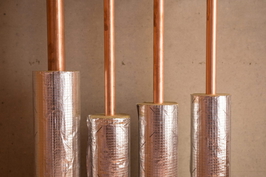
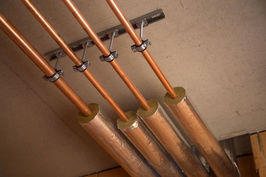
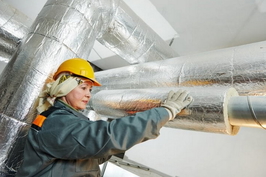
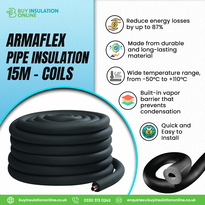
Microbore insulation may appear to be a niche subject, yet it plays a vital role in various industrial and commercial applications. This type of insulation is specifically designed for small-diameter pipes, which are commonly found in many systems.
Its primary significance lies in enhancing energy efficiency by minimising heat loss or gain during fluid transfer. Proper insulation ensures that the temperature within the pipes remains stable, facilitating effective temperature regulation. This stability not only aids in maintaining system performance but also contributes to significant energy cost savings.
Moreover, microbore insulation promotes safety by preventing surface condensation, which can lead to potential burns. Understanding its function is essential for professionals working with heating, cooling, or fluid transport systems, highlighting the importance of effective thermal management.
In essence, microbore insulation fosters a community that values sustainability and operational reliability, underscoring its indispensable role in modern infrastructure.
Top Materials for Microbore Insulation
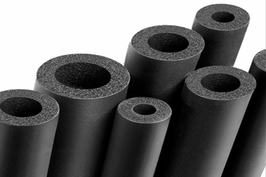
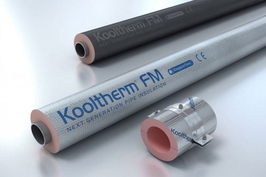
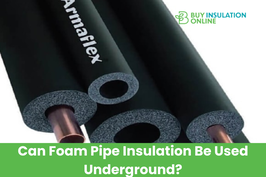
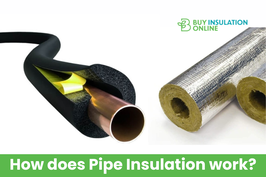
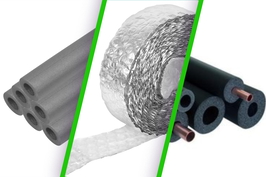
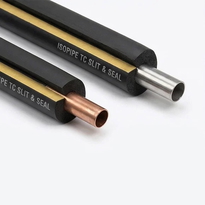
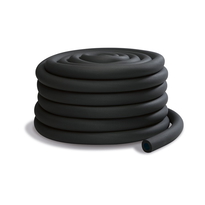
Selecting the right materials for microbore insulation is crucial for achieving effective thermal performance and durability. Among popular options, closed-cell foam stands out due to its excellent insulation efficiency and moisture resistance. This material effectively prevents heat loss while being lightweight and flexible, making it ideal for tight microbore pipes.
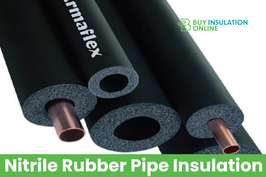
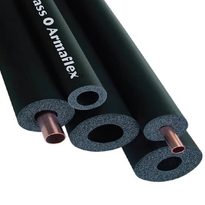
Rubber insulation is another highly regarded choice, offering remarkable durability and resistance to temperature fluctuations. It provides a robust solution for ensuring long-term performance in microbore systems.
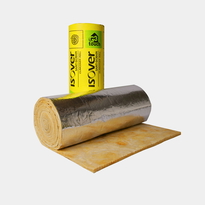
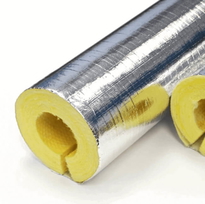
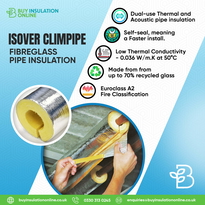
While fiberglass insulation is often effective in larger pipes, it lacks the flexibility required for microbore applications, making it less suitable for this context. Polyethylene foam, on the other hand, presents a cost-effective option; however, its insulation efficiency generally falls short in comparison to rubber or closed-cell foam.
How Microbore Insulation Keeps Pipes Warm and Dry
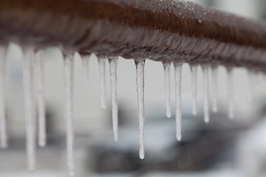
Microbore insulation serves as an effective barrier that minimises heat loss and prevents moisture accumulation on pipes. This insulation enhances thermal efficiency by reducing the transfer of heat from the pipe surface to the surrounding environment.
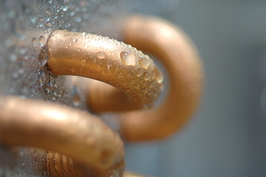
By maintaining elevated pipe temperatures, it ensures that fluids inside remain warm and flow smoothly. Furthermore, the design of the material limits exposure to condensation, a frequent cause of corrosion and damage.
Preventing moisture is crucial since wet insulation can lead to costly repairs and energy inefficiency. These qualities work together to ensure that pipes stay warm and dry, thereby enhancing system reliability and longevity.
The combination of thermal efficiency and moisture control makes microbore insulation a sensible choice for anyone looking to protect and maintain their piping systems effectively.
Best Practices for Installing Microbore Insulation on Tight Piping
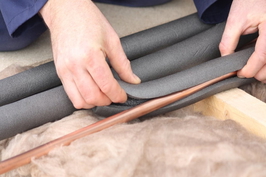
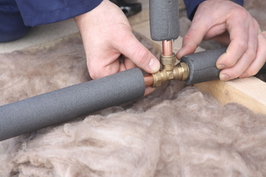
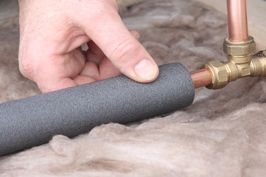
Installing microbore insulation in tight piping situations requires meticulous planning and precise handling to ensure a proper fit. The installation techniques should emphasise flexibility and accuracy, allowing the insulation to conform closely to the pipe’s contours without any gaps.
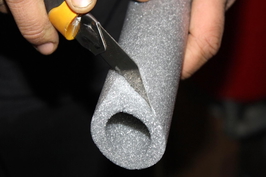
Choosing the appropriate insulation thickness is crucial; it must provide sufficient thermal protection while fitting comfortably within the restricted space. Pre-measuring and cutting insulation segments before application can significantly reduce the need for adjustments during installation.
Utilising specialised tools designed for tight spaces enhances efficiency and minimises the risk of damaging the insulation.
It's also essential to employ secure fastening methods to maintain consistent contact between the insulation and the pipe.
Adhering to these best practices supports effective thermal management, ensuring that the insulation performs as intended within confined piping environments, while promoting a reliable and long-lasting installation.
Challenges and Tips for Maintaining Microbore Insulation
Microbore insulation provides excellent thermal protection in confined spaces, yet maintaining it poses specific challenges that require careful attention. Common issues include moisture accumulation, physical damage, and degradation over time. If not addressed promptly, these problems can reduce efficiency and lead to costly repairs.
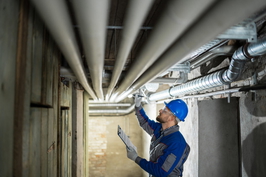
Regular maintenance routines are essential for identifying and resolving these issues early. Scheduled inspections should focus on checking for tears, compression, and signs of water intrusion.
Additionally, cleaning the insulation surface and ensuring proper sealing contribute to its longevity.
It’s crucial to adhere to manufacturer guidelines and utilise compatible materials during repairs. By implementing consistent maintenance practices, professionals can extend the lifespan of microbore insulation, ensuring it continues to function effectively within tight piping systems.
This proactive approach fosters reliability and minimises unexpected downtime.
Conclusion
Microbore insulation is essential for safeguarding compact piping systems by effectively maintaining temperature and preventing moisture accumulation. Selecting appropriate materials and adhering to best installation practices are key to optimising insulation performance.
While there are challenges associated with installation and maintenance, a thorough understanding of these issues can significantly enhance the longevity of the pipes.
Overall, microbore insulation serves as a practical solution for improving energy efficiency and pipe durability in restricted spaces, making it indispensable for various industrial and residential applications.
Featured Articles on Microbore insulation