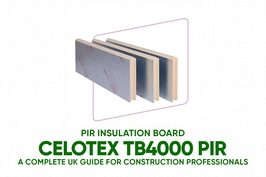
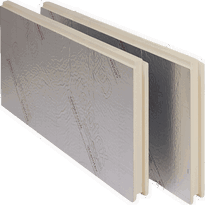
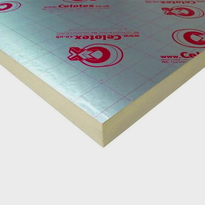
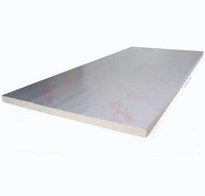
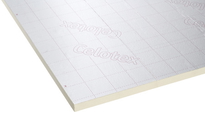
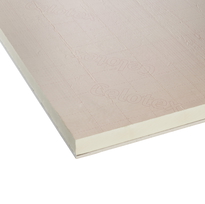
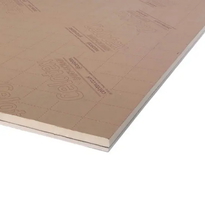
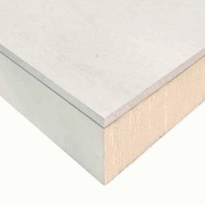
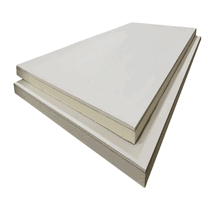
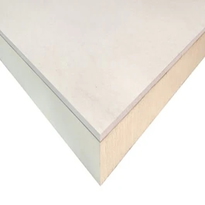

Polyisocyanurate Insulation
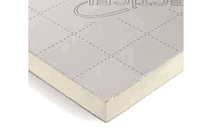
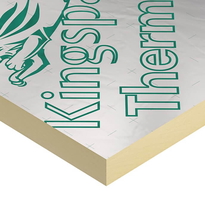
Polyisocyanurate insulation is a high-performance thermal material comprising a polymeric network formed from MDI and polyester polyol. This results in a closed-cell foam with enhanced fire resistance, durability, and superior thermal resistance compared to conventional insulations. Its chemical structure maintains stability under heat and moisture conditions, exhibiting a high ignition temperature and flame-retardant properties that enhance safety.
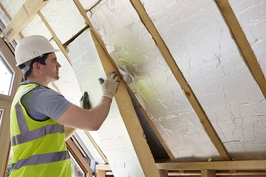
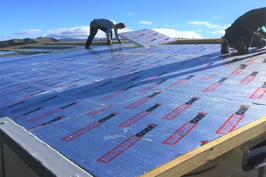
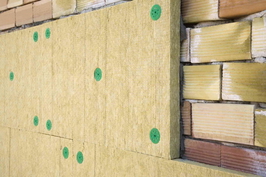
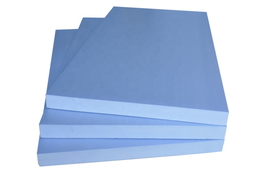
Manufacturing involves mixing raw materials, pouring the mixture into moulds, and curing it into rigid boards suitable for a variety of building applications. These boards are widely used in both residential and commercial construction to improve energy efficiency.
Continuing research and development highlight the various benefits and application techniques of polyisocyanurate insulation. Its consistent performance makes it a preferred choice for achieving effective thermal management, helping to reduce energy loss and maintain comfortable indoor environments.
Chemical Composition and Structural Features
Polyisocyanurate (PIR) insulation is distinguished by its unique chemical composition and structural characteristics, which enhance its effectiveness as a dependable thermal insulator. It's manufactured through a chemical reaction between methylene diphenyl diisocyanate (MDI) and a polyester-derived polyol, leading to the formation of a polymeric network. During production, the isocyanate groups on MDI undergo trimerisation, creating stable isocyanurate rings that are interconnected with polyols. This process results in a rigid, complex structure that provides excellent thermal performance. The foam comprises key components such as MDI, polyester polyol, and various additives including catalysts, surfactants, flame retardants, and blowing agents like pentane. Its closed-cell architecture, featuring uniformly small cells, enhances dimensional stability and water resistance. The chemical makeup of PIR insulation ensures superior fire resistance and long-term durability under typical environmental conditions commonly encountered in the UK. The thermal stability of PIR is also enhanced by its chemical structure, which helps it maintain its properties in extreme temperatures and prolongs its lifespan. Additionally, PIR's unique cellular configuration contributes to its excellent thermal insulation, making it highly suitable for energy-efficient building applications.
Thermal Performance and Insulation Advantages
The thermal performance of polyisocyanurate insulation varies notably with temperature changes, affecting its effectiveness in different UK climates and building applications. Its thermal resistance, expressed as the U-value, can fluctuate depending on ambient conditions. Generally, it offers higher insulating power at warmer temperatures and reduced performance in colder environments. Thermal drift and R-value reduction over time can diminish insulation effectiveness, especially in cold climates where gases escape from the foam board. Field studies indicate that real-world ageing and exposure to environmental factors can diminish its thermal resistance over time. In particular, in colder conditions, processes such as thermal drift and dimensional shrinkage during the first two years after installation may lead to a slight decrease in insulating effectiveness. Additionally, the chemical structure of PIR contributes to its thermal stability and high R-value per millimetre, making it an efficient insulating material. Importantly, polyisocyanurate provides a higher thermal resistance per millimetre compared to common insulation materials like expanded polystyrene (EPS) and extruded polystyrene (XPS). This makes it especially beneficial in applications where space is limited and maximising insulation performance is desired. These characteristics emphasise the suitability of polyisocyanurate for a range of UK building projects, provided that considerations regarding temperature variations and long-term ageing are incorporated into the design and installation processes.
Fire, Moisture Resistance, and Durability
Fire, moisture resistance, and durability are essential factors that influence the performance and safety of polyisocyanurate insulation in building applications. Key considerations include:
Polyiso’s ignition temperature exceeds 400°C, making it resistant to ignition from common building materials such as wood or plastics, which ignite at lower temperatures. This greatly reduces the risk of fire spread within buildings. [Building codes recognize polyiso’s high ignition temperature as a critical safety benefit.
Its surface char formation acts as an effective barrier during fires. The strong chemical bonds in polyiso provide high-temperature stability, allowing it to withstand temperatures up to approximately 200°C without melting or dripping. These properties help improve flame spread resistance and enhance overall fire safety.
Polyiso’s closed-cell structure minimises water absorption, ensuring consistent thermal performance over time. Additionally, the inclusion of flame retardants further enhances safety and helps ensure compliance with UK fire safety standards.
These features contribute not only to the long-term durability of polyisocyanurate insulation but also to improved fire safety across various building environments, supporting the needs of those prioritising safety and stability.
Manufacturing Processes and Construction Applications
Manufacturing processes for polyisocyanurate insulation involve a series of carefully controlled chemical reactions and material handling steps that transform raw ingredients into a finished building product. Initially, raw materials such as MDI (“A” side), polyol (“B” side), and a blowing agent—usually pentane—are stored in large tanks. These components are pumped into a mixer and combined at a mixing head, triggering a rapid chemical reaction that produces foam. The resulting liquid foam is then poured onto facer layers, which are pressed through a heated laminator. This process expands and solidifies the foam into a rigid board, with thickness and surface qualities precisely regulated. Following curing, the continuous sheet is trimmed, cut into standard sizes, and stacked using automated systems, making it ready for shipment to construction sites. Polyisocyanurate foam maintains excellent thermal resistance and performs well in various building environments.
Conclusion
Polyisocyanurate insulation provides significant benefits owing to its chemical stability, high thermal resistance measured in low U-values, and its resistant properties against fire and moisture. Its manufacturing processes allow for precise construction applications that enhance energy efficiency and safety within buildings. By understanding its structural features and performance capabilities, professionals can make informed decisions when selecting insulation for projects requiring durable, effective solutions. Careful consideration of the material’s characteristics ensures optimal application, maximising long-term benefits in thermal management, safety, and the overall integrity of the structure.
Featured Articles on Polyisocyanurate insulation