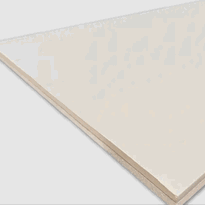
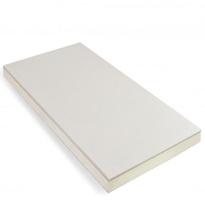
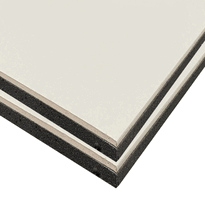
Polystyrene Insulated Plasterboard
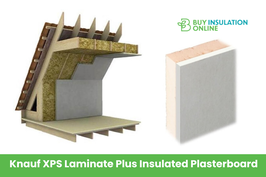
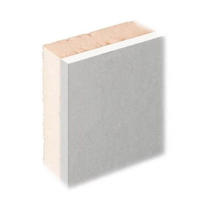
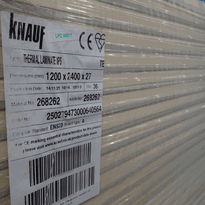
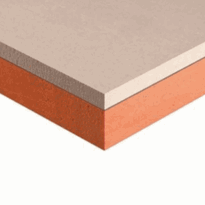
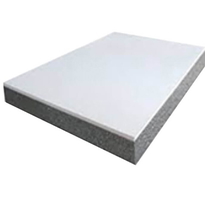
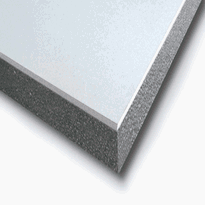
Polystyrene insulated plasterboard combines a core of engineered polystyrene foam, either expanded EPS or extruded XPS, with a plasterboard surface. This creates an integrated panel that offers enhanced thermal insulation, mechanical strength, and fire safety, making it a versatile choice for a range of building applications.
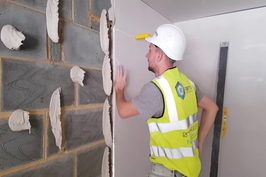
Typically, the thickness of polystyrene insulated plasterboard ranges from 16 to 22 millimetres, suitable for internal walls, ceilings, and retrofit projects. One of its key benefits is reducing thermal bridging, which helps minimise heat loss and improve overall energy efficiency within properties. The ease of installation further simplifies refurbishment and new-build projects, saving time and labour.
Safety standards are paramount when selecting polystyrene insulated plasterboard. Manufacturers adhere to strict fire safety regulations, often incorporating fire-resistant coatings or treatments to meet UK building codes. Ensuring the material complies with the relevant fire classification is essential for safety, especially in residential and commercial buildings.
Environmental considerations are also a critical aspect of polystyrene insulated plasterboard. While polystyrene offers excellent insulation properties, mindful sourcing and recycling of waste materials are encouraged to mitigate environmental impacts. Some products are manufactured with recycled content, aligning with UK sustainability initiatives.
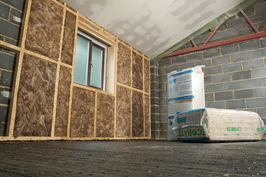
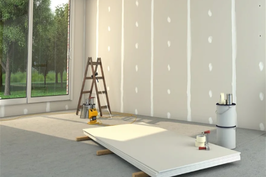
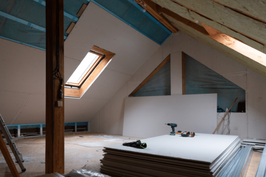
In terms of application versatility, polystyrene insulated plasterboard is well-suited for enhancing thermal performance in new constructions and refurbishments. Its use in internal wall lining and ceiling systems helps improve energy efficiency, reduce heating costs, and promote comfortable indoor environments.
Overall, polystyrene insulated plasterboard provides an effective, straightforward solution for enhancing thermal insulation and structural integrity in UK buildings. Careful selection respecting safety standards and environmental impact can maximise benefits across various projects.
Composition and Types of Polystyrene Insulated Plasterboard
Polystyrene insulated plasterboard is a composite building panel that combines a plasterboard layer with an insulating core made of polystyrene foam, offering both structural support and thermal insulation. Typically, the plasterboard layer varies in thickness from 9.5mm to 13mm, securely bonded to a core comprising expanded (EPS) or extruded (XPS) polystyrene foam. The overall thickness of these panels generally ranges between 16mm and 22mm, depending on specific application requirements, with the insulation layer responsible for most of the panel’s thermal performance. EPS, or expanded polystyrene, is a cost-effective and versatile insulation material produced by expanding small beads of polystyrene. XPS, or extruded polystyrene, is denser and exhibits greater resistance to moisture, produced through a continuous extrusion process. These variations in core material enable the panels to be tailored for different environments, ensuring suitability for internal walls, external façades, or moisture-sensitive applications. The selection between EPS and XPS allows for optimisation in durability, stability, and insulating performance, thereby enhancing the overall efficiency and longevity of the building envelope. Additionally, duct insulation options can be used in conjunction with these panels to improve thermal efficiency in building systems.
Thermal Performance and Insulation Efficiency
Thermal performance and insulation efficiency of polystyrene insulated plasterboard are primarily determined by the material’s inherent thermal properties and the quality of its installation. Polystyrene’s low thermal conductivity, around 0.030 W/mK for advanced variants such as Tekwarm HP+, enables effective heat retention with relatively thin profiles, typically between 30mm and 40mm. Its capacity to minimise thermal bridging through a continuous insulation layer enhances overall energy performance. Proper installation methods are crucial to ensure optimal thermal performance. This includes measures such as preventing gaps and thermal bridges caused by fixings or poor workmanship, which can adversely affect U-values. Maintaining the integrity of the insulation layer ensures that the intended thermal resistance is achieved, reducing heat loss and maintaining consistent internal temperatures. The insulation reduces heat loss in buildings, directly lowering energy costs and improving occupant comfort by maintaining warmer internal surfaces. Effective installation plays a vital role in maximizing the insulation’s effectiveness, as precision in fitting prevents thermal bridging and ensures consistent insulation performance. Enhanced thermal efficiency not only supports energy savings but also helps eliminate cold spots and draughts, making polystyrene insulated plasterboard a practical and effective choice for improving building insulation across the UK.
Mechanical Strength and Handling Convenience
The mechanical strength of polystyrene insulated plasterboard is vital in ensuring its durability during handling, transportation, and installation. Its high compressive strength, often exceeding 300 kPa, helps prevent deformation under typical building loads. The rigid cellular structure of extruded polystyrene (XPS) enhances resistance to impact and deformation. Composite panels, formed by bonding XPS to gypsum plasterboard, distribute mechanical stresses evenly, reducing the risk of damage. Extruded polystyrene is typically manufactured with a closed-cell foam structure, contributing to its robustness. The lightweight nature of these panels also simplifies handling, making installation more manageable. Additionally, their standard sizes facilitate efficient transportation and ease of installation on site. The manufacturing process ensures consistent quality and performance, which is crucial for maintaining structural integrity throughout the building's lifespan.
The table below summarises key aspects of mechanical resilience and handling:
Aspect |
Details |
Impact |
| Compressive Strength | Over 300 kPa, depending on density | Prevents panel deformation |
| Impact Resistance | Closed-cell foam resists dents and impacts | Minimises damage during handling |
| Panel Handling | Managed sizes and weight facilitate easy manoeuvring | Simplifies installation process |
| Structural Integrity | Bonded composite maintains consistent strength | Ensures durability throughout use |
Focusing on both strength and ease of handling ensures that polystyrene insulated plasterboard meets the demands of UK construction environments, providing long-lasting performance with reduced handling risks.
Fire Safety and Resistance Features
Fire safety and resistance are vital considerations when using polystyrene insulated plasterboard, as these materials are combustible and must comply with established safety standards.
Polystyrene insulation, including expanded (EPS) and extruded (XPS) forms, must meet flame spread index requirements of 75 or less, with more stringent limits for exterior walls. To enhance safety, polystyrene products are treated with flame retardants that slow ignition and the spread of flames. Many polystyrene products have passed fire testing such as ASTM E119 and NFPA 286, ensuring their compliance with fire safety standards. Fire-resistant barriers, such as gypsum plasterboard, are often incorporated into the build-up to provide additional protection.
Although polystyrene doesn't ignite easily, once ignited, it can burn rapidly if not properly treated with flame-retardant agents. Fire safety design also involves strict adherence to installation codes, ensuring that barriers are correctly positioned and moisture levels are properly managed.
These measures collectively contribute to the fire resistance of building assemblies, prioritising occupant safety and compliance with UK regulations.
Applications, Environmental Impact, and Cost Factors
How do the applications, environmental impact, and cost factors of polystyrene insulated plasterboard influence its selection for building projects? Its versatility enables use in internal wall insulation, ceilings, and partitions, making it suitable for protected buildings where external insulation isn't permitted. Its lightweight EPS core allows for quick installation, which can reduce labour time and overall costs. Additionally, the thermal insulation properties of polystyrene insulated plasterboard contribute significantly to its energy efficiency, helping buildings meet regulation standards. However, environmental concerns are associated with EPS, as it contributes to pollution due to its poor biodegradability and disposal challenges. Currently, recycling options are limited, raising waste management issues. Despite this, the material's affordability and energy-saving benefits make it an attractive option for many projects. Nonetheless, careful consideration of waste disposal and its environmental footprint is essential. Polystyrene insulated plasterboard is particularly suitable for retrofit projects and areas with specific building restrictions. Its cost-effectiveness arises from combining insulation and finishing layers in a single product, helping to streamline construction processes. However, the limitations of recycling infrastructure mean that waste management remains a concern, and a balance between thermal efficiency and environmental impact must be maintained. Furthermore, the composition of EPS can be engineered to achieve specific thermal and impact resistance properties, expanding its application options.
Conclusion
Polystyrene insulated plasterboard provides effective thermal insulation, mechanical durability, and ease of handling, making it suitable for a range of construction projects across the UK. Its fire safety features and environmental impact should be carefully assessed in accordance with specific project requirements and regulatory standards. While costs can vary depending on supplier and product specifications, the performance benefits of this material generally justify its use within energy-efficient building designs.
Understanding its composition, thermal performance, and potential limitations enables builders and architects to make informed choices. Polystyrene insulated plasterboard is recognised for its excellent insulating properties, contributing to improved building energy efficiency and comfort. However, consideration of fire safety regulations and environmental sustainability remains essential for compliant and responsible building practices.
Featured Articles on Polystyrene insulated plasterboard