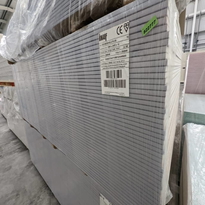
Sound Proof Plasterboard Ceiling
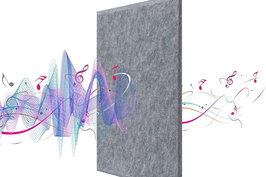
Soundproof plasterboard ceilings effectively reduce airborne noise by increasing the mass and employing layered assemblies with materials such as mineral wool, damping compounds, or mass-loaded vinyl (MLV). The installation methods include decoupling techniques using resilient channels and sealing all gaps to prevent sound leaks. Using thicker and denser boards enhances sound absorption capabilities.
Tailored solutions are essential to address different ceiling types, whether they are constructed from concrete or timber, ensuring the maximum possible noise reduction. Employing these strategies provides a comprehensive understanding of practical soundproofing methods for ceilings, helping to create quieter environments within residential or commercial premises.
Types of Soundproof Plasterboard for Ceilings
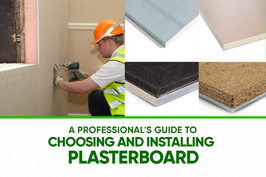
There are several types of soundproof plasterboard available for ceilings, each designed to enhance acoustic insulation by differing in composition, density, and layering options.
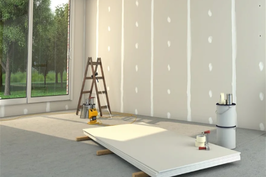
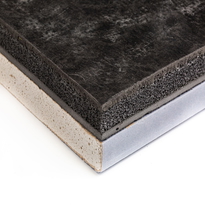
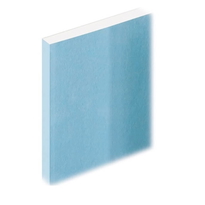
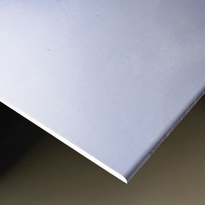
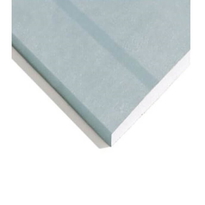
Acoustic plasterboards typically feature a higher density gypsum core, which enhances their capacity to dampen airborne noise through increased mass and absorption. These boards can be combined in layered assemblies with damping compounds or mass-loaded vinyl (MLV) to further improve sound insulation. Higher-density materials contribute significantly to soundproofing. Generally, thicker boards offer better soundproofing due to their greater mass. Additional materials such as mineral wool or acoustic panels are often incorporated to absorb reflected sound energy, contributing to a quieter environment.
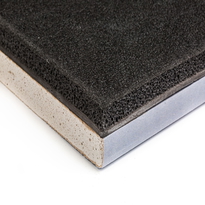
Specialised products, like preformed panels such as MuteBoard or boards with integrated damping layers, eliminate air gaps and create more consistent and effective sound barriers. These options provide tailored solutions to different ceiling soundproofing requirements, ensuring optimal acoustic performance.
Effective Installation Techniques for Soundproofing
Effective installation techniques are crucial for maximising the soundproofing performance of plasterboard ceilings. Proper execution involves several key steps to ensure that sound transmission is minimised and structural integrity is preserved.
First, decoupling is achieved by installing the plasterboard onto sound-isolating supports such as resilient channels or floating systems. These supports prevent direct contact with the structural ceiling, thereby reducing sound transmission through vibrations.
Second, staggered layering of plasterboard panels, with careful sealing of all joints using acoustic sealant, helps prevent sound leakage. Ensuring that joints are staggered between layers creates a more effective barrier against noise transfer.
Third, incorporating mass-loaded vinyl membranes between layers enhances sound absorption further. This dense material adds mass to the ceiling assembly without significantly increasing thickness, effectively reducing sound transmission.
This dense material adds mass to the ceiling assembly without significantly increasing thickness, effectively reducing sound transmission. Adding additional layers of mass and using decoupling techniques can significantly improve overall soundproofing performance.
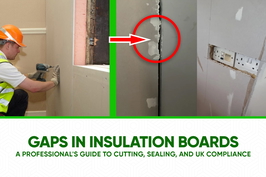
Finally, leaving small gaps at the perimeters of panels and sealing all gaps and joints with acoustic sealant is essential. This prevents sound bridging and ensures an airtight seal, which is vital for optimal soundproofing.
These techniques collectively create an effective barrier, fostering a more peaceful environment for all occupants. Proper planning and meticulous execution are key to achieving the best soundproofing results in plasterboard ceiling installations.
Materials That Enhance Acoustic Performance
Materials that improve the acoustic performance of plasterboard ceilings depend on specific properties, compositions, and layering techniques designed to reduce sound transmission and enhance sound absorption.
Acoustic plasterboard generally features a gypsum core, offering fire resistance and ease of installation. Increasing the density of the core enhances its mass, effectively blocking airborne sounds. Combining acoustic plasterboard with other materials, such as mass-loaded vinyl, creates multilayer constructions that boost damping and add substantial mass for superior soundproofing.
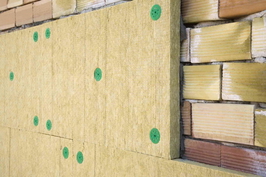
Fiber-based cores, including mineral wool or glass fibres, work by absorbing sound through porous or fibrous structures that convert vibrations into heat. These materials effectively reduce noise by diminishing reverberation within the space.
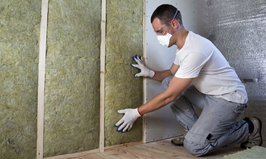
Complementary materials like mineral wool insulation and resilient bars are often incorporated within the ceiling cavity. Mineral wool helps absorb sound, while resilient bars decouple layers from the structural elements, minimising vibrations and echo.
This combination significantly improves overall acoustic performance by reducing sound transmission and improving sound absorption.
Tailoring Solutions for Different Ceiling Types
Different ceiling types require customised soundproofing approaches that address their unique structural characteristics and existing construction limitations.
For concrete ceilings, decoupling systems such as the AcoustiClip Kit are essential to minimise both impact and airborne noise. These systems combine mass, absorption, and decoupling techniques to achieve optimal sound insulation without extensive renovation.
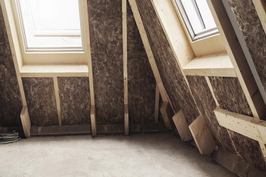
Timber joist ceilings benefit from the installation of acoustic insulation slabs placed between the joists. This can be complemented by soundproof ceiling panels that specifically enhance airborne noise resistance, creating a quieter environment within the space.
In situations where existing ceilings can't be removed or significantly altered, soundproofing can still be improved. Applying slim soundproof panels directly to the surface adds mass and reduces noise transmission, providing an effective solution with minimal disruption.
Open web wood truss assemblies in residential properties respond well to the use of resilient channels or rubber underlayments. These materials help to decouple the ceiling structure from the room, significantly improving sound isolation.
Proper sealing of penetrations and gaps is crucial to prevent sound flanking and ensure the effectiveness of all soundproofing measures. By adopting these customised solutions, homeowners and builders can develop effective, adaptable strategies suited to each ceiling type.
This ensures a more peaceful, comfortable environment, tailored to the specific acoustic challenges posed by different structures.
Conclusion
Choosing the right soundproof plasterboard and applying proper installation techniques significantly enhance ceiling acoustics. A variety of plasterboard types and supplementary materials—such as acoustic insulation and resilient channels—can be customised to suit specific ceiling constructions and noise reduction requirements. Accuracy in measuring, handling, and fixing these components is essential to optimise performance, durability, and soundproofing efficiency. By effectively implementing these strategies, you can create quieter, more comfortable interior environments. Making well-informed choices is crucial to achieving the desired acoustic outcomes.