
Sound Proof Plasterboard Price
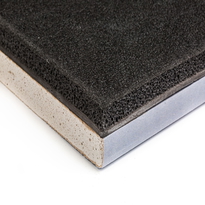
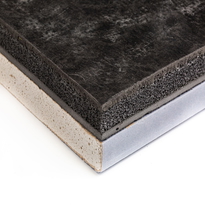
Soundproof plasterboard prices in the UK vary depending on thickness, quality, and regional factors. Generally, costs range from approximately £36 to over £87 per square meter. The price for individual sheets can differ widely, with basic 12.5mm plasterboards costing around £10.50 to £26.94 per sheet, which is roughly £3.65 to £9.37 per square meter.
Enhanced features such as moisture resistance or fire retardancy typically increase the cost. When planning for a project, it is also essential to account for installation expenses, including labor and any additional materials required.
Understanding these factors can help optimize your soundproofing investments, ensuring you select the most suitable plasterboard for your specific needs while managing costs effectively.
Cost of Acoustic Plasterboard per Square Meter or Foot
The typical cost of acoustic plasterboard in the UK varies depending on size, thickness, and quality. Generally, prices range from approximately £36.45 to £87.00 per square meter. These figures are based on sheet prices between £10.50 and £26.94, with each full sheet covering about 2.88 square meters.
For example, a 12.5mm thick sheet costing around £10.50 per sheet equates to roughly £3.65 per square meter. In comparison, thicker panels of 15mm, priced at approximately £22.45 per sheet, come to about £7.80 per square meter.
Larger sheets tend to be more cost-effective per unit area because they reduce the number of joints required, which can save time and labor costs. Thicker acoustic plasterboard offers improved soundproofing properties but generally costs more.
The acoustic plasterboard's enhanced density and composition also contribute to its higher price compared to standard plasterboards. These cost estimates help in budgeting for soundproofing projects, ensuring that the most suitable materials are selected within a specified budget.
Factors Influencing Plasterboard Pricing
Several elements impact the cost of plasterboard, with raw material expenses forming one of the primary components. The quality and purity of gypsum directly affect both the price and durability of the finished product. Higher-quality gypsum tends to be more costly but results in a more resilient and reliable product.
The type and quality of paper and additives, such as resin and starch, also contribute to manufacturing costs. Variations in raw material prices—driven by global supply and demand or sourcing difficulties—can lead to fluctuations in prices.
When supply chains are efficient and supplier proximity is advantageous, costs are generally reduced; conversely, longer or disrupted supply chains can increase expenses.
Material specifications, including density and moisture resistance, may also influence costs. For example, boards with enhanced moisture resistance or increased density typically require more advanced manufacturing processes and materials, thus raising prices.
Beyond raw materials, technological factors such as automation, energy consumption, and equipment maintenance play crucial roles in production costs. These technological considerations are key to the overall pricing of plasterboard within the UK market, ensuring that products meet quality standards while balancing economic efficiency.
Comparing Prices in Different Regions
Regional differences in the pricing of soundproof plasterboard are primarily influenced by factors such as local market conditions, manufacturing capabilities, import costs, and regional demand. These factors can significantly impact the overall costs, affecting availability and competition among suppliers. In the UK, prices typically range from £10.50 to £19.95 per sheet, reflecting the presence of multiple large suppliers and well-developed distribution channels. Conversely, many European countries may experience higher costs due to reliance on imports and less established local manufacturing, which can result in increased logistics expenses. Regions with limited availability of specialized products like fire-rated or moisture-resistant boards often see higher prices. Additionally, delivery times and regional regulations influence costs, especially in remote areas or countries with stricter soundproofing standards.
Installation Costs and Additional Expenses
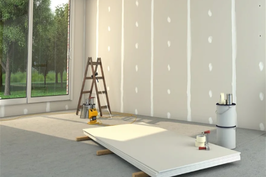
Installing soundproof drywall involves several costs beyond the price of the materials themselves. Labor expenses constitute a significant part of the overall budget.
Hiring professionals for installation typically costs between £40 and £80 per hour, depending on location and the complexity of the project.
More detailed projects, such as insulating walls or installing soundproof windows, will require more labor time and consequently increase costs.
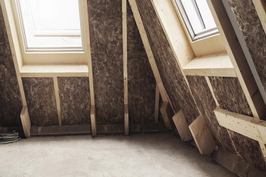
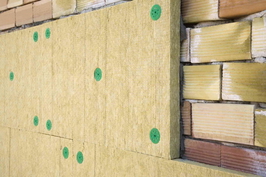
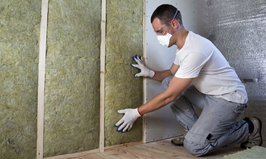
Additional expenses may include specialized elements like resilient channels, which cost approximately £8 to £17 per square meter, and insulation batts, ranging from about £4 to £13 per square meter.
Other components, such as acoustic panels, are priced at around £14 to £30 per square meter, while textured wall panels can cost up to £60 per square meter.
Larger rooms and more ambitious soundproofing aims will further raise the overall expenditure.
Budgeting for a Soundproofing Project
Effective budgeting for a soundproofing project requires a clear understanding of specific goals and the scope of work, as these factors directly influence material choices, labor costs, and overall expenditures.
Identifying whether the objective is to block external noise, contain internal sound, or enhance room acoustics helps determine suitable materials and strategies, ensuring budgets are allocated efficiently.
The quality and type of materials—such as high-density products like mass-loaded vinyl or more economical options like Green Glue with plasterboard—significantly impact costs.
Combining multiple layers can amplify soundproofing effects but also increases expenses, so a careful cost-benefit analysis is essential.
In addition, prioritising high-impact areas, sealing gaps, and exploring do-it-yourself solutions can optimize noise reduction within financial constraints.
Considering material durability and longevity ensures the investment remains effective over time, reducing future expenses. These strategies support the successful completion of the project while maintaining control over expenditure.
Conclusion
Understanding the costs associated with soundproof plasterboard involves considering per-unit prices, regional variations, and installation expenses, along with additional materials needed for effective soundproofing. Careful budgeting requires a thorough assessment of product options, quality, and labour costs to ensure the project remains within financial limits without compromising soundproofing performance. Accurate planning and detailed cost analysis are essential for making informed decisions and achieving desired acoustic results efficiently and effectively.