
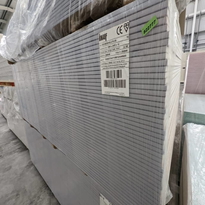
Soundbloc Plasterboard Wickes
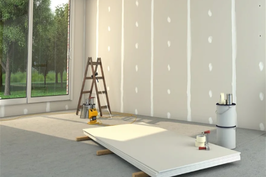
Soundbloc plasterboard available at Wickes is a high-density, fire-resistant panel designed to enhance acoustic insulation in interior walls. It features a dense gypsum core reinforced with durable paper liners, providing superior soundproofing compared to standard boards. The plasterboard measures 2400 mm by 1200 mm with a thickness of 12.5 mm, ensuring effective sound absorption and reduced transmission when installed with appropriate framing and sealing techniques. Regular use of these products can significantly improve interior soundproofing. Additional benefits and installation guidance are available to help optimise your project outcomes.
Overview of Soundbloc Plasterboard at Wickes
Wickes offers a specialised range of Soundbloc plasterboard designed specifically for acoustic insulation in interior wall and ceiling applications.
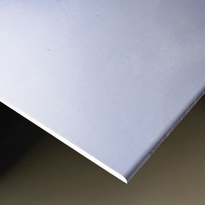
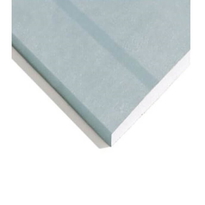
The Knauf Sound Panel Tapered Edge Acoustic Gypsum Plasterboard available at Wickes measures 2400 x 1200 mm with a thickness of 12.5 mm. It features a blue face colour with a white core, facilitating easy identification and quality assurance.
The boards are produced with a denser gypsum core, providing superior soundproofing compared to standard plasterboards. Each board weighs approximately 29 kilograms, reflecting the increased density for improved acoustic performance.
They're stored flat and protected from weather conditions, maintaining product integrity for professional installation. Suitable for interior use, these plasterboards meet European standards and building regulations for soundproofing, supporting effective acoustic partitioning in various building projects. Additionally, their higher density core enhances their ability to effectively dampen airborne noise, making them an excellent choice for sound-sensitive environments.
Key Features and Acoustic Benefits
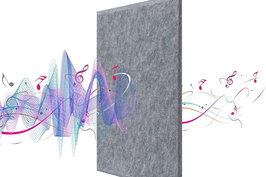
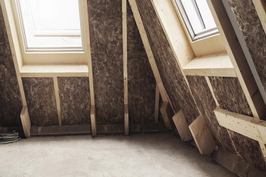
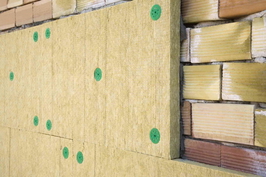
The high-density core of Soundbloc plasterboard is engineered to provide exceptional acoustic insulation. By significantly enhancing the mass and density of the panel, it improves its capacity to absorb and attenuate sound waves effectively. This specialised core surpasses that of standard plasterboards, resulting in markedly better noise reduction and making it highly suitable for decreasing sound transmission through walls and ceilings. The core features a crystalline gypsum structure, making it denser, not thicker than regular wallboard. Its acoustic performance is often characterised by the Weighted Sound Reduction Index (Rw), with typical system ratings ranging between 43 and 56 dB, subject to specific installation configurations. When used alongside other soundproofing measures, such as mineral wool insulation, the board offers substantial airborne sound insulation suitable for residential settings, particularly in partition walls and ceiling constructions. Moreover, the board’s fire-resistant properties contribute to creating safer, quieter environments whilst complying with safety standards. This combination of acoustic efficiency and safety features makes Soundbloc plasterboard an effective solution for enhancing soundproofing in UK buildings.
Installation Tips and Handling Procedures
Proper installation of Soundbloc plasterboard demands thorough preparation and strict adherence to handling procedures to achieve optimal acoustic performance and safety. Considering that Soundbloc boards are heavier and more cumbersome, it's vital to ensure sufficient manpower is available. Typically, this requires two operatives to lift and position the panels correctly.
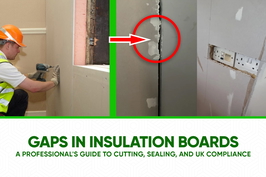
Before beginning installation, confirm that the wall or stud frame is suitable and free from moisture or structural defects. Accurate measurement and precise cutting are essential, allowing approximately 3mm gaps around edges for effective sealing.
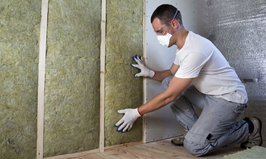
When handling gypsum boards, always wear appropriate safety equipment such as gloves and dust masks to protect against gypsum dust and minimise risk of injury.
Secure the boards using plasterboard or self-drilling screws at recommended intervals—commonly around 230mm centres—taking care not to damage the panels.
It's important to stagger joints between panels and seal all gaps with an acoustic sealant, which helps prevent sound leaks and ensures an airtight finish for superior soundproofing performance.
Adhering to these guidelines will help ensure a professional installation that maximises the acoustic properties of the Soundbloc system while maintaining safety and longevity of the installation.
Comparing Soundbloc With Other Acoustic Boards
When comparing Soundbloc plasterboard to other acoustic boards, it's important to consider key factors such as density, core composition, and performance standards to understand its relative advantages.
Soundbloc’s higher density gypsum core enhances sound insulation compared to standard boards, while its tightly bonded blue paper liners improve durability and acoustic efficiency.
Some competitors incorporate additional materials like mass-loaded vinyl or damping layers, which may achieve higher soundproofing, but often come with increased complexity and cost.
Soundbloc also offers a balanced level of fire resistance, meeting BS 476 Class 1 standards, and features a surface finish suitable for direct decoration or plastering.
Additionally, its manufacturing process is designed to optimize sound insulating properties through specific core density and bonding techniques, making it a high-performance choice for acoustic applications.
Although other acoustic boards using multilayer systems can exceed Soundbloc’s performance in certain applications, its straightforward design ensures a practical, reliable solution for noise reduction in various residential and commercial settings.
Conclusion
Ultimately, Soundbloc plasterboard from Wickes provides effective acoustic insulation suitable for a range of building applications. Its high-density core is designed to improve soundproofing, making it a practical choice when reducing noise transfer is a priority. The board is straightforward to handle and install, which helps maximise its performance and ensures the long-term effectiveness of the acoustic treatment.
When choosing between Soundbloc and other acoustic plasterboards, consider factors such as thickness, cost, and the specific soundproofing requirements of your project. Proper installation and careful handling are essential to optimise soundproofing qualities and achieve the best results.