
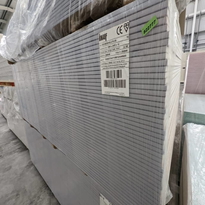
Soundproof Plasterboard for Ceilings
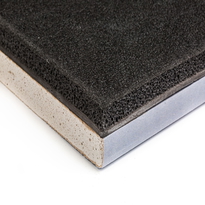
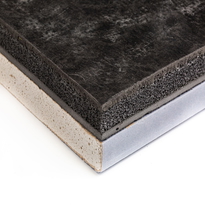
Soundproof plasterboard for ceilings enhances acoustic insulation by combining dense gypsum cores with sound-dampening materials such as mass-loaded vinyl, which helps to minimize airborne noise and impact sounds. Proper installation involves assessing the type of ceiling, taking accurate measurements, securely fixing the panels, sealing joints thoroughly with acoustic sealant, and employing suitable frameworks like resilient channels or clip systems to optimize performance. This multilayer approach often achieves higher sound reduction ratings, making it ideal for spaces requiring substantial noise control. Additional guidance can help optimize effectiveness across various applications.
Key Benefits and Features of Soundproof Plasterboard for Ceilings
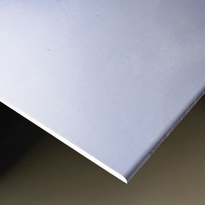
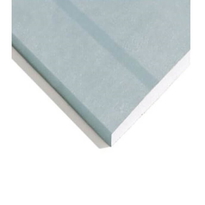
Soundproof plasterboard for ceilings provides numerous measurable benefits, primarily focused on enhancing acoustic performance and privacy within a space. Its multi-layer construction incorporates sound-damping materials, such as mass-loaded vinyl, which effectively minimize airborne sounds like conversations and impact noises such as footsteps. Soundproof plasterboard is engineered with materials like gypsum and sound-absorbing layers, further enhancing its soundproofing qualities. The gypsum core of the plasterboard also has inherent sound-absorbing qualities, further reducing sound transmission through ceilings. Additionally, soundproof plasterboard improves the internal acoustics by minimizing echoes and enhancing sound clarity within a room or building. Beyond acoustic advantages, these boards offer moisture-resistant and thermal insulating features that contribute to the overall durability and energy efficiency of the structure. Although it's priced higher than standard plasterboard, the long-term benefits include significant noise reduction and increased privacy. This makes it a practical and valuable choice for residential, commercial, and specialized spaces. Ultimately, soundproof plasterboard delivers measurable acoustic improvements and increased comfort for occupants, making it an excellent investment in sound management.
How to Properly Install Soundproof Plasterboard
Proper installation of soundproof plasterboard requires careful preparation, precise measurement, and adherence to established techniques to ensure optimal acoustic performance.
The process begins by assessing the ceiling type, such as timber joists or concrete, in order to select appropriate materials and systems. For concrete ceilings, systems like Acousticlip are recommended, while for timber frameworks, AcoustiChannel may be more suitable.
Before installation, it may be necessary to remove the existing ceiling or prepare it for direct attachment. Accurate measurements are essential at this stage to plan the panel layout effectively and minimize waste during cutting. Measuring accurately helps ensure that panels fit correctly and reduces the risk of gaps that can allow sound leakage.
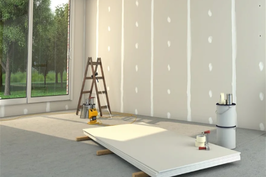
The installation of the first layer involves securely fastening dense plasterboard directly onto the support structure using suitable fixings. It's crucial to ensure the panels are level and firmly attached to prevent movement that could compromise acoustic performance.
Sealing all joints with high-quality acoustic sealant is vital to prevent sound leakage. This sealant should be applied smoothly along all joints and edges, ensuring complete coverage.
Following the first layer, a second layer of plasterboard may be added to further enhance soundproofing. In some cases, adding a mass-loaded vinyl layer between boards can significantly improve acoustic isolation. This additional layer must also be sealed thoroughly at all joints.
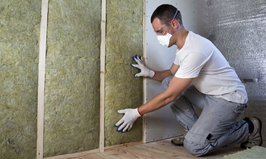
Throughout the installation process, the use of appropriate protective equipment is critical. Safety gear such as gloves, goggles, and dust masks should be worn when cutting, handling, and fastening plasterboard to prevent injury and ensure a safe working environment.
Acoustic Performance and Sound Insulation Ratings
Understanding the acoustic performance of plasterboard involves examining specific measurement metrics that quantify a material’s ability to reduce or block sound transmission between spaces. The most common ratings include Rw, STC, and CAC, which provide objective data on airborne sound insulation, especially between rooms and through ceilings. These ratings are crucial for designing spaces that require sound isolation, like home studios, offices, or bedrooms close to noisy areas. For example, a single-layer plasterboard typically achieves around 49?dB Rw, while multi-layer systems can reach up to 56?dB, thereby improving privacy and reducing noise transfer. These ratings guide professionals and builders in selecting the most appropriate plasterboard system for specific acoustic requirements.
The table below summarizes typical sound insulation ratings:
Metric |
Description |
Typical Value |
| Rw | Airborne sound reduction | 49–56?dB | 49–56?dB |
| STC | Sound blockage rating | 50+ |
| CAC | Ceiling sound attenuation | Greater than 35?dB |
These metrics are essential for ensuring effective sound insulation tailored to the needs of residential, commercial, or institutional spaces. Proper understanding and application of these ratings help create quieter and more comfortable environments. In addition, advanced soundproofing techniques can be combined with plasterboard to enhance overall acoustic performance.
Material Specifications and Standards Compliance
Material specifications and standards Compliance is fundamental when selecting soundproof plasterboards, as it guarantees that products meet recognized benchmarks for performance and safety. These specifications encompass measurements such as panel size and thickness, which can vary to suit different ceiling structures.
The density of plasterboards, typically in the range of 240–290 kg/m³, enhances sound dampening properties, while low thermal conductivity supports insulation effectiveness. Manufacturers adhere to recognized standards such as those developed by ASTM, including standards like C208 and C209, to ensure appropriate water absorption and vapor permeance levels, thereby maintaining the material’s integrity over time.
Compliance with UK building regulations and codes is essential, ensuring that plasterboards are suitable for various applications and meet the legal requirements for safety and performance.
Key considerations include:
Panel size and density: Precise measurements influence the soundproofing performance and compatibility with existing structures.
Standards and legislation adherence: Ensures the product’s safety, durability, and compliance with legal benchmarks.
Manufacturer guidance and recommendations: Assist in correct installation practices to achieve or surpass desired Sound Transmission Class (STC) and Impact Insulation Class (IIC) ratings, fostering consistent standards and dependable performance across projects.
Cost, Availability, and Practical Usage Tips
The cost of soundproof plasterboard varies considerably depending on factors such as quality, size of the space, and complexity of the installation. Typically, creating a soundproofed room in the UK can range from around £1,200 to £4,000, with projects involving ceilings often costing between £130 and £1,100. These costs are influenced by the choice of materials as well as the methods used during installation.
Acoustic plasterboard prices tend to be higher than standard plasterboard, reflecting its specialized soundproofing properties. However, it is often part of a comprehensive soundproofing strategy that incorporates additional materials such as Green Glue and RSIC clips.
Availability of soundproof plasterboard is widespread across the UK. It can be sourced through specialized suppliers, large builders’ merchants, online vendors, and local hardware stores.
When selecting and purchasing materials, it's advisable to compare different suppliers to ensure you gain access to the most suitable options within your budget.
For installation, effective soundproofing generally involves layering materials appropriately, sealing all gaps thoroughly, and choosing suitable systems such as clip and channel frameworks. These techniques are particularly effective against airborne noise.
To keep costs manageable, it's important to assess your specific needs carefully and consider supplementary materials that can enhance sound insulation without significantly increasing expenses.
Conclusion
In summary, soundproof plasterboard for ceilings provides effective noise reduction through specialized materials and installation techniques, supported by measurable acoustic performance ratings. Ensuring strict adherence to material specifications and relevant standards guarantees both durability and efficiency. While costs may vary depending on quality and availability, careful planning and correct application maximize acoustic results. This solution offers a reliable and practical means of enhancing sound insulation in a variety of environments, combining technical precision with sustainability to meet soundproofing needs effectively within UK building practices.