Thermal Laminate Board
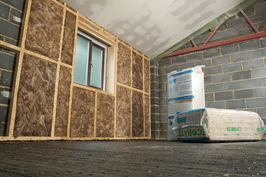
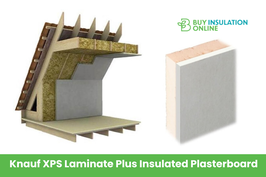
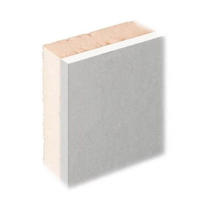
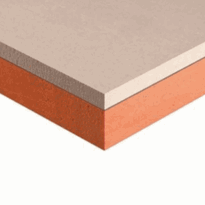
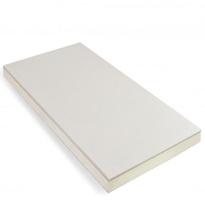
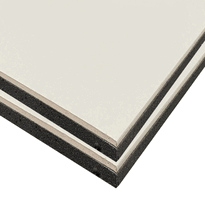
Thermal laminate boards are composite materials that combine resin-impregnated decor papers with substrates such as particleboard or medium-density fiberboard (MDF). These boards are frequently enhanced with insulation layers, including expanded polystyrene or PIR foam, to improve their thermal resistance.
They are characterized by low thermal conductivity values, typically ranging between 0.022 and 0.038 W/mK. This enables effective management of heat transfer and contributes to fire resistance, making them suitable for a variety of applications in the construction industry.
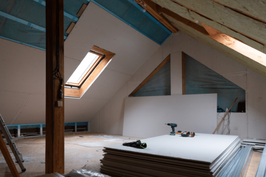
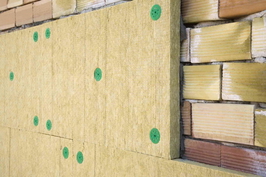
Common uses of thermal laminate boards include building insulation, fire-rated panels, and environments subject to high temperatures. Ongoing research and development have led to detailed manufacturing processes, various product variants, and innovative applications across diverse industries, ensuring these boards meet the evolving needs of modern construction and design.
Composition and Manufacturing of Thermal Laminate Boards
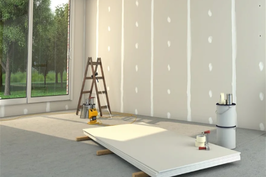
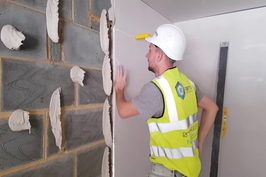
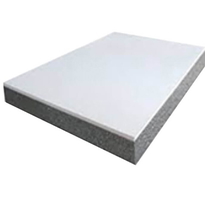
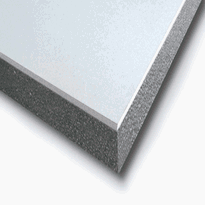
Thermal laminate boards are manufactured through a carefully integrated process that combines resin-impregnated décor papers with various substrates, predominantly particleboard or medium-density fiberboard (MDF). The décor papers are saturated with resins such as melamine, which activate under heat and pressure to form a strong, permanent bond with the substrate. For insulation purposes, layers like expanded polystyrene (EPS) bonded to plasterboard or wallboard are incorporated, often utilizing specific adhesives designed for such applications. Additionally, materials like silicone, glass powder, or tiny glass shards may be included to enhance fire resistance and prevent corrosion. Mica boards resist up to 550°F (roughly 288°C). Decorative overlays, such as clear melamine, are applied to protect the surface and improve durability. The manufacturing process involves fusing these components under controlled heat and pressure, ensuring uniform adhesion and allowing for embossing textures. Following fusing, the boards undergo curing to maximize strength and longevity, producing a resilient and visually appealing product suitable for various interior applications. The incorporation of fire-resistant materials helps to meet safety standards in building regulations.
Thermal Properties and Performance Characteristics
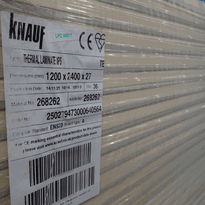
Understanding the thermal properties of laminate boards requires an examination of their ability to resist heat transfer, which directly influences their insulating performance. These boards typically exhibit low thermal conductivity values, ranging from 0.022 to 0.038 W/mK, allowing for efficient insulation by reducing heat flow. Higher-performance options, such as Tekwarm EPS HP+, achieve values as low as 0.030 W/mK, further enhancing energy efficiency. This low thermal conductivity contributes significantly to their effectiveness as insulating materials. Thicker boards—typically between 22 mm and 40 mm—increase the U-value, thereby improving thermal resistance and insulation without taking up excessive space. Materials like expanded polystyrene and PIR foam are significant contributors to lower thermal conductivity, aiding in temperature regulation within buildings. Additionally, the environmental impact of these materials is minimized due to their high insulating efficiency and eco-friendly manufacturing processes. The stability of the materials, coupled with their heat capacity and the design of the laminate, helps maintain consistent thermal performance. This consistency optimizes energy efficiency and ensures compliance with UK building standards.
Diverse Applications and Practical Benefits
In what ways do thermal laminate boards serve the diverse needs of industrial, building, and safety applications?
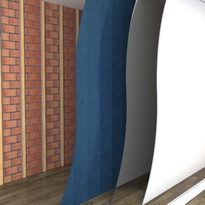
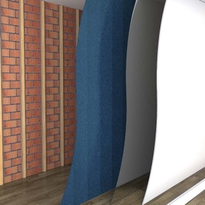
They're vital in high-temperature environments for furnace linings, kiln insulation, and refractory systems, effectively safeguarding equipment and enhancing operational efficiency. Mold & Platen Thermal Insulation provides durable and low thermal conductivity composite materials. Furthermore, they offer insulation for external walls and ceilings, helping to conserve energy and lower heating costs. Their fire-resistant properties ensure compliance with safety standards, acting as barriers in critical infrastructure and fire doors.
Additionally, their fire-resistant properties contribute to fire prevention strategies and improve overall building safety.
The practicality of these boards is evident in their machinability, allowing for customized solutions tailored to specific requirements, while their moisture resistance helps maintain structural integrity in humid conditions.
These versatile boards support the construction of safe, energy-efficient, and durable structures, making them indispensable across multiple sectors that prioritize safety, cost-effectiveness, and reliability.
Variants and Innovations in Thermal Laminate Technology
Advances in thermal laminate technology have led to the development of a diverse range of high-performance materials and innovative design strategies aimed at boosting efficiency, reliability, and flexibility in demanding applications. These modern materials enable the creation of smaller, more efficient circuit boards capable of supporting higher frequencies, aligning with the needs of advanced electronic systems.
Liquid crystal polymer (LCP) laminates are at the forefront of miniaturization efforts. Their exceptional dimensional stability and low dielectric loss make them ideal for high-frequency applications, allowing for the production of compact, high-performance circuit boards. Ceramic-based laminates contribute significantly to thermal stability, offering reliable electrical insulation in environments subject to extreme temperature fluctuations and mechanical stress.
Innovative heat management is further enhanced by silicone-based thermal interface materials (TIMs), especially those combined with carbon nanotubes. These composites facilitate superior heat transfer while maintaining flexibility and mechanical resilience, crucial for devices subjected to dynamic conditions. Metal-clad laminates, such as DuPont’s Pyralux ML, are widely utilized in aerospace and defense sectors due to their superior capacity for heat dissipation, enabling electronics to operate efficiently under high thermal loads.
Additive manufacturing techniques are revolutionizing thermal management by allowing customized, complex structures to be fabricated. This enables precise control over heat pathways and the integration of complex geometries, providing bespoke solutions that optimize performance and minimize thermal hotspots.
Furthermore, ongoing research into advanced composite materials continues to push the boundaries of what laminate technology can achieve, offering new avenues for enhancing thermal and mechanical performance in demanding environments.
The integration of these innovative materials and techniques ensures that laminate boards continue to meet the evolving demands of the industry. By prioritizing performance, durability, and adaptability, manufacturers can deliver reliable solutions tailored to the specific requirements of demanding technological environments.
Conclusion
Thermal laminate boards are robust and versatile materials primarily employed for insulation and surface finishing purposes. Their effectiveness is rooted in carefully engineered compositions and manufacturing processes, which ensure consistent performance tailored to various applications.
These boards possess excellent thermal properties, enabling efficient temperature regulation while maintaining structural integrity. This makes them suitable for use in residential, commercial, and industrial environments across the UK. Advances in lamination technology continue to enhance their functionality, durability, and environmental sustainability, aligning with modern building standards.
Understanding the detailed characteristics of thermal laminate boards is essential for informed selection and optimal utilization. Proper application ensures they deliver reliable performance, support energy efficiency, and contribute to the longevity of the spaces they enhance.
Featured Articles on Thermal laminate board