
- Blogs
- A Complete Guide to Thermal Underlay in the UK
A Complete Guide to Thermal Underlay in the UK


TLDR (Too Long; Didn't Read)
-
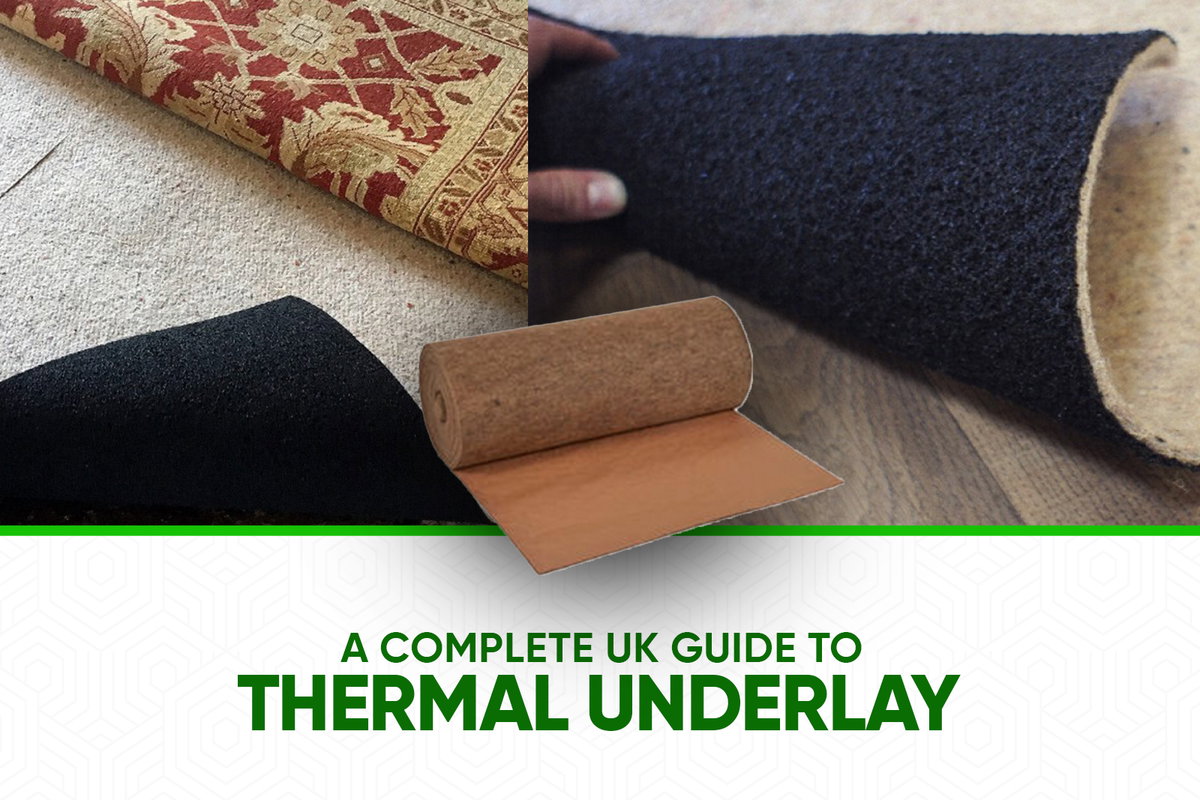
Thermal underlay is a specialised layer placed between the subfloor and your final floor covering to reduce heat loss. This can make rooms feel warmer and contribute to lower energy bills.
-
The key performance metric is the Tog rating. A high Tog (2.5 or more) is excellent for insulation in a standard home. A low Tog (under 1.0) is essential for homes with underfloor heating to allow heat to pass through efficiently.
-
The right material depends on your flooring. Polyurethane (PU) foam and felt are common choices for carpets, offering comfort and warmth. Fibreboard, extruded polystyrene (XPS), and rubber are often used for laminate and wood, providing stability and insulation.
-
Correct installation is vital for performance. The subfloor must always be clean, dry, and level. For laminate or wood flooring, never overlap the underlay seams; instead, butt the edges together and seal them with tape.
-
UK standards, specifically BS EN 14499, classify underlay for durability in different areas (e.g., 'Luxury Use' for a bedroom versus 'Heavy Contract Use' for stairs). Checking for this standard helps you choose a product that will last.
Understanding Thermal Underlay
Choosing a new floor covering is often focused on the final look and feel, but the layer underneath is just as important. Thermal underlay is a key component in creating a comfortable and energy-efficient home.
What is Thermal Underlay?
Thermal underlay, sometimes called heat insulating underlay, is a specialised layer installed between the structural base of your floor (the subfloor) and your chosen floor covering, such as carpet or laminate. Its primary function is to act as an insulating barrier. It is designed to reduce the amount of heat that escapes downwards through the floor and to block cold air from rising up from unheated spaces like cellars or from cold subfloors like concrete.
The Primary Benefits for Your Home
Installing a quality thermal underlay brings several advantages that go beyond simply supporting your new flooring.
-
Improved Thermal Comfort: The main benefit is the noticeable difference it makes to a room's warmth. By retaining heat within the living space for longer, it helps create a cosier and more comfortable environment, especially during colder months. This is particularly effective in rooms with draughty timber floorboards or cold concrete subfloors.
-
Energy Efficiency and Cost Savings: A significant portion of a home's heat, potentially up to 20%, can be lost through an uninsulated floor. By reducing this heat loss, thermal underlay helps a home's heating system to operate more efficiently. This can lead to a reduction in energy bills over time.
-
Additional Benefits: While the focus is on thermal properties, these underlays also provide other advantages common to all quality underlays. They add a layer of cushioning that makes floors feel softer to walk on, provide a degree of acoustic insulation by reducing the sound of footsteps, and act as a shock absorber, which protects the final floor covering from premature wear and tear.
Understanding Tog Ratings
The key to selecting the right thermal underlay is understanding its Tog rating. This is the standard UK measurement for the thermal resistance of a product, working on the same principle as the rating system used for duvets. The rule is simple: the higher the Tog rating, the better the underlay is at insulating and preventing heat from passing through it.
However, the term "thermal underlay" can be applied to products with two opposite functions, depending on the home's heating system. This is the most critical distinction to make before purchasing.
-
For Insulation (Standard Heating): In a home with radiators, the goal is to trap heat in the room. An underlay with a high Tog rating of 2.5 or more is considered to have excellent insulating properties.
-
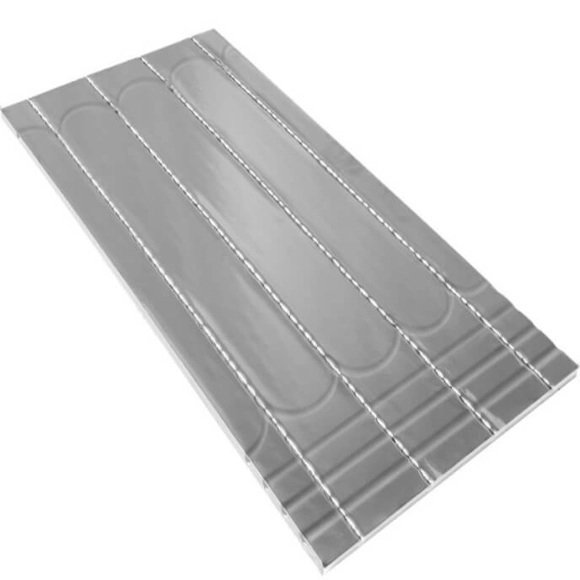
For Conduction (Underfloor Heating): In a home with an underfloor heating (UFH) system, the goal is the exact opposite. The heat needs to travel efficiently from the system, through the underlay and flooring, and into the room. In this case, a specialised underlay with a very low Tog rating (typically below 1.0) is essential. Using a high-Tog underlay with UFH would act like a blanket, trapping the heat below the floor and rendering the heating system ineffective and inefficient.
A Guide to Thermal Underlay Materials
The material of the underlay determines its performance, feel, and suitability for different types of flooring.
Underlays for Carpet
Carpet allows for thicker, softer underlays where comfort and insulation are often the main priorities.
-
PU (Polyurethane) Foam: This is the most popular type of underlay in the UK. It is often made from recycled furniture foam, making it a sustainable choice. It is lightweight, easy to handle, and provides excellent comfort and high levels of thermal insulation. PU foam is available in a wide range of thicknesses, typically from 8mm to 12mm. Some premium versions use memory foam for superior comfort and recovery from furniture indentations.
-
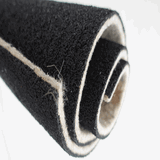
Felt and Wool: A traditional and highly durable option, felt underlay is often made from recycled natural fibres like wool or jute. Wool is a superb natural insulator. This type of underlay offers outstanding thermal and sound insulation. It is very dense and provides excellent support for the carpet, helping it retain its shape over time, even in high-traffic areas.
-
Crumb Rubber and Combination Underlays: Made from recycled car tyres, crumb rubber is an extremely durable and resilient material. It is an excellent choice for high-traffic areas like stairs and hallways, where its resistance to compression protects the carpet. It also offers very good sound reduction. Some products combine a crumb rubber base with a felt top layer to merge durability with comfort and insulation.
Underlays for Laminate and Wood Flooring
Hard flooring requires a firmer, denser underlay to support the joints and provide a stable base.
-
Fibreboard: This underlay comes in the form of dense, rigid panels made from compressed wood fibres. Its main advantage is its ability to level out minor imperfections in the subfloor, providing a solid and stable base for laminate or engineered wood. It also offers good thermal and acoustic insulation.
-
XPS (Extruded Polystyrene) Foam: Supplied as lightweight but rigid foam boards, XPS has a closed-cell structure that gives it high levels of thermal insulation and water resistance. It is effective at reflecting heat back into the room and can also help to smooth out uneven subfloors.
-
Rubber: A dense and heavy material, rubber underlay provides superior soundproofing and moisture resistance, making it an excellent choice for concrete subfloors or in apartments where noise reduction is a priority. It is highly durable and long-lasting.
-
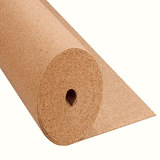
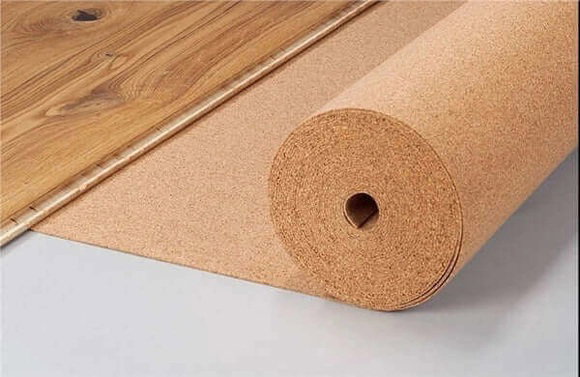
Cork: As a natural and sustainable material, cork is an excellent thermal insulator with good soundproofing capabilities. It is also naturally resistant to mould and mildew, making it a good choice for areas where there may be some risk of moisture.
Comparison of Thermal Underlay Materials
| Material | Best For (Flooring Type) | Key Thermal Properties | Other Benefits | Potential Downsides | Typical Thickness | ||
| PU Foam | Carpet | High Tog ratings, excellent heat retention | Very comfortable, lightweight, often recycled. | Can be too soft for high-traffic areas if not dense enough. | 8mm - 12mm | ||
| Felt/Wool | Carpet | Excellent natural insulator, high Tog. | Very durable, good soundproofing, eco-friendly. | Can be more expensive than PU foam. | 10mm - 15mm | ||
| Crumb Rubber | Carpet (especially stairs) | Good insulation. | Extremely durable, superior sound reduction, eco-friendly | Firmer underfoot than foam. | 6mm - 9mm | ||
| Fibreboard | Laminate & Wood |
|
|
Rigid and can be brittle to cut. Not suitable for damp areas. | 5mm - 7mm | ||
| XPS Foam | Laminate & Wood |
|
Lightweight, water-resistant, good levelling properties. | Can be crushed by very heavy point loads. | 3mm - 6mm | ||
| Rubber | Laminate & Wood | Good thermal insulation. | Superior soundproofing, moisture-resistant, very durable. | Heavier and often more expensive. | 2mm - 5mm | ||
| Cork | Laminate & Wood | Excellent natural thermal insulator. | Sustainable, naturally anti-microbial, good soundproofing. | Can be more expensive and less durable in high-traffic areas. | 2mm - 6mm |
Choosing the Right Thermal Underlay for Your Project
Selecting the correct underlay requires matching the material's properties to the specific demands of the room and the flooring type.
Selecting Underlay for Carpets
For carpeted areas, the choice often involves a balance between comfort and durability.
-
For Lounges and Bedrooms: In these rooms, comfort and warmth are usually the top priorities. A thicker PU foam underlay, between 10mm and 12mm, will provide a luxurious, soft feeling underfoot and maximise thermal insulation with a high Tog rating.
-
For Stairs and Hallways: These high-traffic areas demand durability. An underlay that is too thick and soft can allow the carpet to flex excessively underfoot, leading to premature wear. A denser, slightly thinner PU foam (around 9mm) or a highly resilient crumb rubber underlay is more suitable. These provide better support for the carpet backing, ensuring it lasts longer. The key is to understand the relationship between thickness and density: thickness adds comfort, while density provides the durability and support needed to protect the carpet.
Buy Thermal Underlays Now
Selecting Underlay for Laminate and Engineered Wood
Unlike flexible carpet, hard flooring like laminate and engineered wood has rigid locking joints that need firm support.
-
Stability is Key: The underlay must be firm enough to prevent the joints from flexing when walked on. Using an underlay that is too thick or soft (typically over 5mm to 6mm) can create too much movement, which may cause the joints to creak, separate, or even break over time. A thickness of 3mm to 5mm is a common and safe recommendation.
-
Subfloor Considerations: The type of subfloor is a critical factor. On concrete subfloors, a moisture barrier is essential to protect the wood-based flooring from damage. Many underlays designed for laminate incorporate a built-in Damp Proof Membrane (DPM). If the chosen underlay does not have one, a separate DPM sheet must be installed first. For subfloors with slight irregularities, fibreboard underlay is an ideal choice to create a smooth, level base before the flooring is laid.
The Critical Consideration: Underfloor Heating (UFH)
As previously mentioned, underfloor heating changes all the rules. The entire flooring system must be designed to conduct heat, not insulate against it.
-
The Tog Rating Rule: The combined Tog rating of the underlay and the final flooring (carpet, laminate, etc.) should not exceed a total of 2.5. To achieve this, the underlay itself must have a very low Tog rating, typically below 1.0. Specialised products can have Tog ratings as low as 0.35.
-
Specialised Materials: Conventional wisdom suggests that a thicker underlay will always have a higher Tog rating. However, modern materials have been engineered to overcome this. For carpet, this includes low-Tog sponge rubber underlays or innovative perforated PU foam products. These specialised foam underlays can be relatively thick (e.g., 10mm) to provide good underfoot comfort, but they feature a pattern of holes that allows heat to transfer through efficiently, keeping the Tog rating low. For laminate and wood, thin, dense rubber or other specialised low-Tog foam underlays are used. This technology means homeowners with UFH do not necessarily have to sacrifice underfoot comfort to achieve good heating performance.
Best Practices for Installing Thermal Underlay
A professional finish and optimal performance depend on correct installation. Following a few key steps can prevent common problems.
Step 1: Subfloor Preparation (The Universal Foundation)
This is the most critical step for any successful flooring installation and should never be rushed or skipped. The subfloor must be:
-
Clean: Thoroughly swept and vacuumed to remove all dust, dirt, and debris. Any small lumps left on the subfloor can show through as imperfections in the final flooring or cause damage over time.
-
Dry: Check for any signs of moisture, especially on concrete subfloors. A newly laid concrete screed must be allowed to cure and dry completely, a process that can take several weeks. Using a moisture meter is a reliable way to check.
-
Level: The subfloor must be flat. Fill any significant cracks or holes, and sand or grind down any high spots. An uneven subfloor is a primary cause of creaking floors, movement in laminate planks, and stress on flooring joints.
Step 2: Installation for Carpet
-
Fit Gripper Rods: Before laying the underlay, nail or glue carpet grippers around the entire perimeter of the room. A gap of around 7mm should be left between the gripper and the skirting board. The angled pins on the gripper must face towards the wall.
-
Lay the Underlay: Roll out the underlay in parallel strips. The underlay should be laid so that it butts up against the inside edge of the gripper rods, but does not cover them.
-
Orientation: Most underlays have a branded or fabric/film backing. This side should face upwards into the room, with the foam or rubber side facing down towards the subfloor.
-
Join the Seams: Butt the edges of each strip of underlay together closely, making sure there are no gaps. It is important not to overlap the seams. Secure the joins with a quality underlay tape to create a single, continuous surface.
-
Secure the Underlay: On a wooden subfloor, the underlay can be stapled down around the perimeter (just inside the gripper) and along the taped seams to hold it firmly in place. On a concrete subfloor, a spray adhesive should be used instead of staples.
Step 3: Installation for Laminate and Wood Flooring
-
Orientation: The underlay should be rolled out perpendicular (at a 90-degree angle) to the direction you plan to lay the floorboards.
-
Lay the Underlay: Start in one corner and roll out the first row, cutting it to length with a sharp utility knife. Continue with subsequent rows across the room.
-
Join the Seams: As with carpet underlay, butt the edges of each strip together perfectly. It is absolutely critical not to overlap the seams, as this will create an uneven ridge under the hard flooring which will cause instability and stress on the joints of the boards laid over it.
-
Tape the Seams: Securely tape all seams. If the underlay has a built-in DPM (often a foil or plastic layer), a waterproof vapour tape must be used to ensure the integrity of the moisture barrier is maintained across the entire floor.
Common Installation Pitfalls to Avoid
-
Skipping Subfloor Preparation: This is the most common cause of flooring failure, leading to an uneven finish, noise, and damage.
-
Overlapping Seams: A critical error for hard flooring, causing lumps and putting stress on the board joints.
-
Using the Wrong Underlay for the Subfloor: Forgetting to use an underlay with a DPM (or a separate DPM sheet) on a concrete subfloor is a frequent and potentially costly mistake that can lead to moisture damage.
-
Reusing Old Underlay: This is a false economy. Old underlay will have compressed over time and will have lost its supportive, comfortable, and insulating properties. Always install new underlay with new flooring.
-
Ignoring Acclimatisation: Laminate and wood flooring, as well as some underlays like fibreboard, need to be left in the room where they will be installed for at least 48 hours. This allows them to adjust to the ambient temperature and humidity, which prevents problems like warping or gapping after installation.
UK Standards and Building Regulations Explained
For homeowners in the UK, there are specific standards and regulations that relate to underlay and floor insulation. Understanding these can help in making informed choices.
Carpet Underlay Standards: BS EN 14499
The current British and European standard for carpet underlays is BS EN 14499:2015. This standard specifies the minimum performance requirements for an underlay to be considered fit for purpose. It superseded the older BS 5808 standard, though some products may still reference both.
The standard involves testing properties like thickness loss under heavy loads, breaking strength, and resistance to compression. For consumers, the most useful part of the standard is its end-use classification system. This system categorises underlay based on its suitability for different levels of foot traffic, providing a clear guide to its durability.
BS EN 14499 Use Classifications Explained
| Classification Code | Full Name | Practical Application and Recommendation |
| LD/U | Light Domestic Use | Suitable for rooms with light foot traffic, such as spare bedrooms. Not recommended for stairs. |
| GD/U | General Domestic Use | A good all-round choice for most areas of the home, including living rooms and main bedrooms. Suitable for stairs. |
| L/U | Luxury Use | Designed for high comfort and energy absorption. Ideal for bedrooms and lounges where a plush feel is desired. |
| GC/U | General Contract Use | A durable option suitable for commercial settings with normal foot traffic, or very busy domestic areas. |
| HC/U | Heavy Contract Use | The most durable classification, designed for heavy foot and wheeled traffic, such as in offices or on busy domestic stairs. |
Building Regulations Part L: An Overview for Floors
Part L of the UK Building Regulations deals with the conservation of fuel and power, setting the standards for the energy efficiency of buildings. It uses a measurement called a U-value to define the thermal performance of building elements, including floors. A U-value measures how quickly heat is lost through a material; therefore, a lower U-value indicates better insulation.
For renovations on existing homes in England, Wales, and Northern Ireland, floors should typically be upgraded to achieve a U-value of 0.25 W/m²K or lower. Scotland has stricter standards.
It is important to manage expectations regarding the role of thermal underlay in meeting these regulations. While a good thermal underlay will improve a floor's overall thermal performance and contribute to a better U-value, it is almost never sufficient on its own to meet the strict targets set by Part L for major renovations or new builds. Achieving these U-values typically requires the installation of much thicker, primary insulation materials, such as 70-100mm of rigid foam insulation board or 100-150mm of mineral wool, laid as part of the subfloor construction. A government case study demonstrated that even a high-performance 10mm aerogel underlay provided an improvement so small that it was not registered by standard energy assessment models.
Thermal underlay should therefore be seen as a valuable enhancement for improving comfort and energy efficiency in existing homes, but for any work that falls under the scope of Building Regulations, it must be used in conjunction with primary insulation to achieve compliance.
The Value of Thermal Underlay: Costs and Savings
Investing in a quality thermal underlay offers returns that are both financial and comfort-based.
Potential Energy Bill Savings
Properly insulating a ground floor can lead to tangible savings on heating costs. The Energy Saving Trust estimates that a typical household in Great Britain could save around £70 per year on energy bills. Other analyses suggest that since up to 15% of a room's heat can be lost through the floor, a good thermal underlay can reduce heating costs by a similar percentage. These figures are estimates and will vary depending on the type of house, its existing insulation levels, and prevailing energy prices.
Typical Material Costs
The price of thermal underlay varies by material, thickness, and brand. The following ranges provide a general guide for budgeting (material cost only):
-
PU Foam Underlay: £1.50 - £7.00 per m²
-
Fibreboard Underlay: £2.50 - £6.50 per m²
-
Cork Underlay: £5.00 - £10.00 per m²
-
Rubber Underlay: £6.00 - £12.00 per m²
Beyond Savings: Added Comfort and Flooring Longevity
The decision to invest in a good thermal underlay should not be based solely on a simple calculation of its payback period through energy savings. Its value is multifaceted. The immediate and tangible improvement in underfoot comfort and the reduction of cold spots and draughts are significant quality-of-life benefits.
Furthermore, the protective qualities of a dense, supportive underlay extend the life of the more expensive final floor covering. By acting as a shock absorber, it reduces wear and tear on carpets and provides a stable base for laminate and wood, protecting the homeowner's larger investment for years to come.
Legal Disclaimer
The information provided in this article is for general informational purposes only. All information is provided in good faith; however, we make no representation or warranty of any kind, express or implied, regarding the accuracy, adequacy, validity, reliability, availability, or completeness of any information.
This content should not be construed as professional building, legal, or financial advice. You should always consult with qualified professionals before making any decisions or undertaking any building work based on the information presented here. Under no circumstance shall we have any liability to you for any loss or damage of any kind incurred as a result of the use of this information or reliance on any information provided.
Building regulations and standards are subject to change and can vary by location within the United Kingdom. It is your sole responsibility to ensure that any work undertaken complies with all applicable local laws, standards, and regulations. This content should not be used to specify materials for any building project. A professional specification should always be sought from a qualified architect, surveyor, or structural engineer.

Samuel Hitch
Managing Director
Buy Insulation Online.
Leave A Reply
Your feedback is greatly appreciated, please comment on our content below. Your email address will not be published. Required fields are marked *