


Types of Foam Tubing and Their Differences
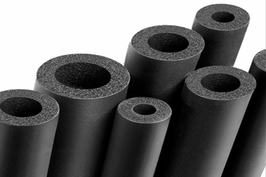
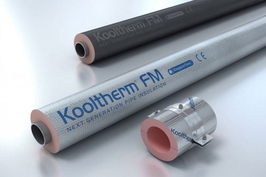
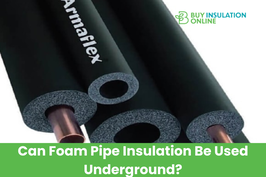
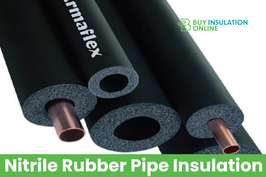
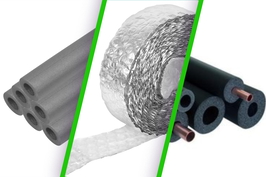
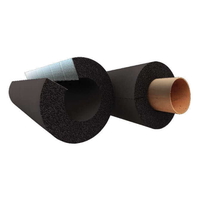
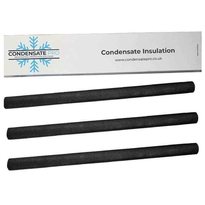
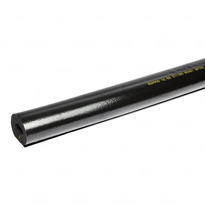
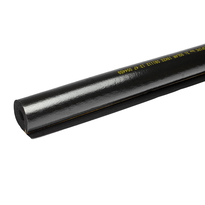
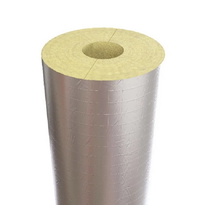
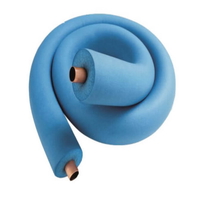
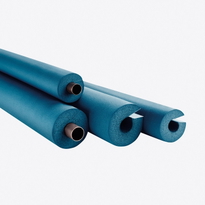
Foam tubing is available in various types, each tailored for specific applications and offering unique advantages.
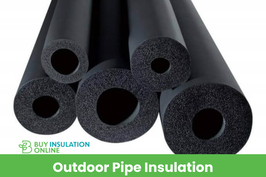
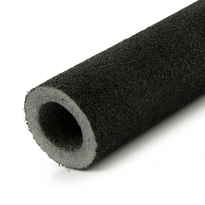
Closed cell foam tubing is renowned for its outstanding thermal and moisture resistance, attributed to its dense structure. This makes it particularly suitable for insulation purposes. Additionally, it demonstrates high durability, though its limited flexibility may affect installation methods in certain scenarios.
Conversely, open cell foam tubing excels in sound absorption thanks to its porous nature. However, it doesn't provide significant moisture resistance. Its greater flexibility can facilitate installation in confined spaces, making it a practical choice for various projects.
Understanding the distinctions in thermal resistance, sound absorption, and durability between closed cell and open cell foam tubing enables users to make informed decisions. This ensures optimal performance and longevity across a range of applications.
Choosing the Right Foam Tubing for Your Project
When selecting the appropriate tubing for your project, several factors significantly influence your decision, including application requirements, environmental conditions, and budget.
Foam tubing serves a variety of purposes, from insulation to cushioning, so understanding its intended use is essential for narrowing down your options.
Consider the benefits of foam tubing, such as flexibility, durability, and resistance to moisture, to ensure long-term success in your application. Evaluating these key points will help you make an informed choice:
Material Density: Select the right density based on the required strength and flexibility for your specific application.
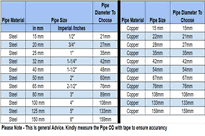
Size and Thickness: Ensure that the dimensions of the tubing match the specifications of your project for optimal performance.
Environmental Exposure: Choose tubing designed to withstand varying temperature and humidity levels, ensuring it's suitable for your environment.
Cost-Effectiveness: Aim for a balance between quality and budget constraints to achieve the best value for your investment.
How Foam Tubing Insulates Pipes and Prevents Freezing
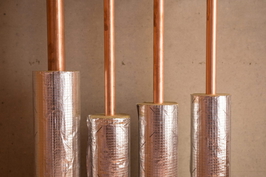
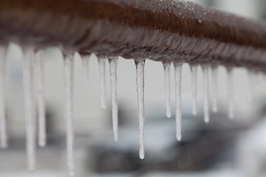
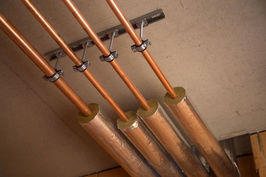
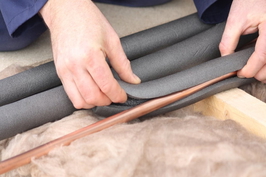
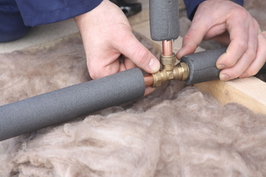
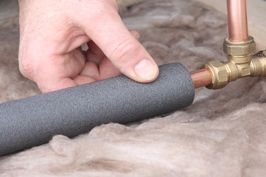
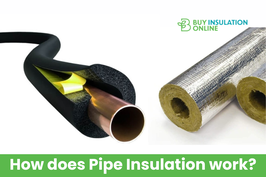
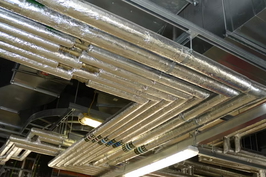
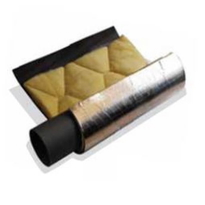
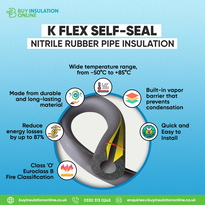
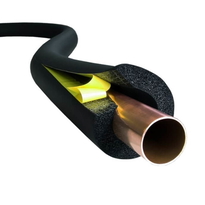
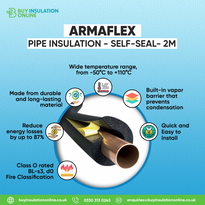
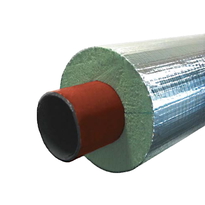
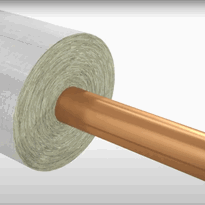
One effective method to protect pipes from freezing temperatures is by wrapping them in specialised foam tubing. This insulation serves as a barrier, minimising heat loss by reducing exposure to cold air. The foam’s insulating properties help maintain consistent temperature regulation around the pipe surface, preventing the water inside from freezing and causing potential damage.
Moreover, foam tubing enhances energy efficiency by decreasing the need for additional heating in exposed areas, which can contribute to lower energy bills.
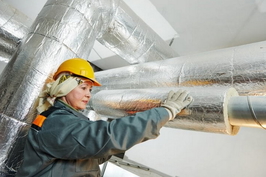
Its lightweight and flexible nature allows for straightforward installation, making it accessible for both homeowners and professionals to ensure their plumbing remains secure during colder months.
How Foam Tubing Cushions and Protects Against Impact
Protection against impact is essential for preserving the integrity of pipes, particularly in environments where physical contact or accidental bumps are commonplace.
Foam tubing is engineered with superb cushioning properties that absorb shocks, effectively preventing damage by dispersing energy over a wider area. This impact absorption alleviates stress on pipes, prolonging their lifespan and reducing the likelihood of costly repairs.
Installing foam tubing provides reliable protection in both residential and commercial settings.
Key features include:
Soft yet durable material that buffers against knocks
Flexibility to conform to various pipe shapes without cracking
Resistance to compression, ensuring consistent protective thickness
Lightweight design for straightforward handling and installation
Together, these qualities make foam tubing an effective shield, safeguarding pipes from unexpected impacts and structural harm.
Creative DIY Projects With Foam Tubing
Foam tubing offers a remarkable versatility that extends far beyond mere pipe protection. It serves as an affordable and accessible material for a variety of creative DIY projects. Many enthusiasts delve into exciting applications such as crafting custom grips for tools or designing lightweight models for educational and hobbyist purposes.
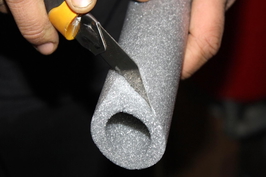
When embarking on a project, it can be helpful to cut foam tubing into different shapes to fit your needs. Using adhesives specifically formulated for foam ensures a secure bond, while combining the tubing with other materials like fabric or wire can enhance durability.
Moreover, foam tubing can be painted or wrapped to align with specific themes or functions, allowing for a personalised touch. These creative endeavours not only nurture skill development but also inspire imagination, all while keeping expenses to a minimum.
Engaging in such activities fosters a sense of community among hobbyists and makers, who share ideas and refine their techniques collaboratively. By exploring the creative potential of foam tubing, you can significantly expand its functionality beyond its original purpose.
Conclusion
Foam tubing serves a variety of practical purposes, from insulating pipes to preventing freezing, as well as cushioning and protecting against impact. Understanding the different types of foam tubing and their characteristics is essential for selecting the right option for specific needs.
This versatile material is not only useful in everyday applications but also lends itself to creative DIY projects, making it a valuable addition in various settings.
Choosing the appropriate foam tubing ensures efficiency and durability, supporting both functional and protective applications in daily life. Whether for insulation, safety, or crafting, foam tubing proves to be an indispensable resource.
Featured Articles on Foam tubing