HVAC Insulation
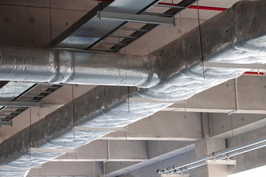
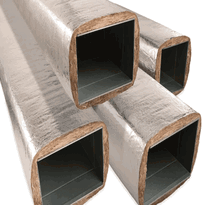
HVAC insulation involves selecting materials such as fiberglass, rock wool, or foam glass, each offering specific benefits including thermal efficiency, fire resistance, and moisture control. Proper installation is key and includes sealing joints with foil tape or mastic to prevent air leaks, thereby enhancing system performance. Insulation reduces heat transfer, lowers energy costs, extends the lifespan of equipment, and improves indoor safety. Understanding these aspects allows for optimization of HVAC systems, and ongoing attention to detail emphasizes how proper insulation contributes to both system efficiency and safety.
Types of HVAC Insulation Materials and Their Benefits
Choosing the appropriate HVAC insulation material is crucial for ensuring system efficiency, maintaining indoor comfort, and enhancing fire safety. Different materials offer unique advantages that can contribute to a safe, efficient, and comfortable indoor environment.
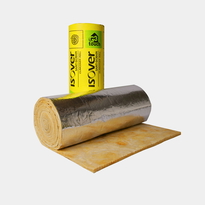
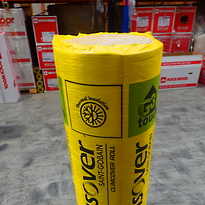
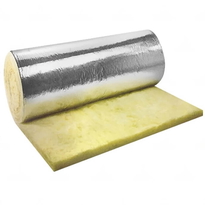
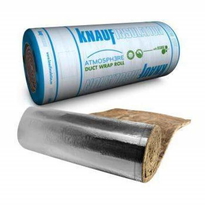
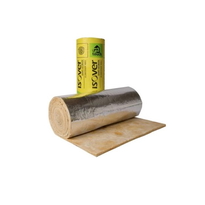
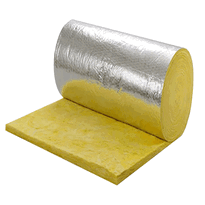
Fiberglass is widely used due to its affordability and versatility. It provides effective thermal and acoustic insulation in ductwork and other components, helping to minimise heat loss and sound transmission. Its ease of installation and cost-effectiveness make fiberglass a popular choice in a variety of applications. Additionally, fiberglass insulation can be readily supplied from top brands, ensuring reliable quality and performance.
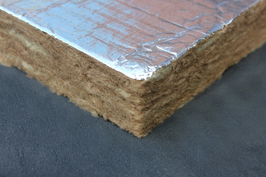
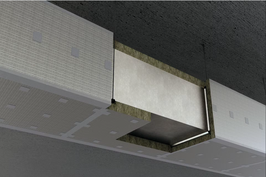
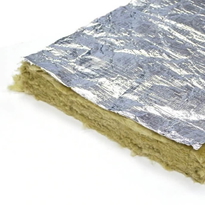
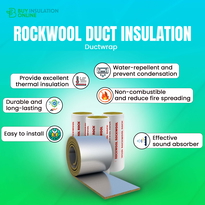
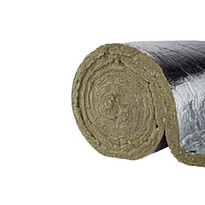
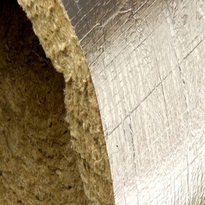
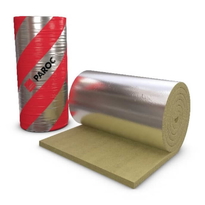
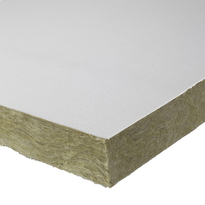
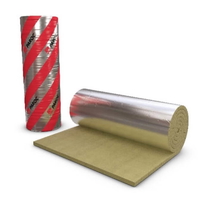
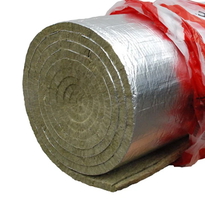
Rock wool offers both thermal insulation and fire resistance, making it particularly suitable for environments where safety is a priority. Its robust properties contribute to fire safety standards and help in maintaining consistent indoor temperatures.
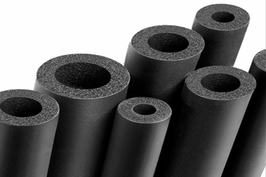
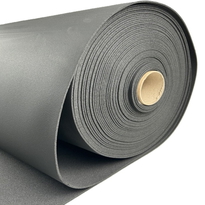
Foam glass excels in high-temperature environments. Its high moisture resistance and fire safety features make it ideal for use in settings subjected to significant thermal stresses, providing long-lasting insulation solutions. Foam glass is also known for being environmentally sustainable, consistent with environmental initiatives supported by providers like Buy Insulation Online.
Each of these materials plays a vital role in creating a safe, efficient, and comfortable indoor environment by improving thermal performance, reducing noise, and maintaining fire safety standards.
Selecting the right insulation material depends on the specific requirements of each project and the environmental conditions in which they're utilized.
Key Considerations for Insulating HVAC Systems
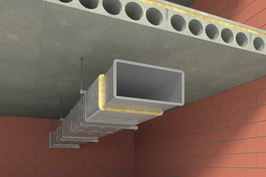
Ensuring the effectiveness of HVAC system insulation largely depends on proper sealing and prevention of air leaks. This involves carefully sealing duct joints and connections using foil tape or mastic sealant to create airtight joints. Tight seals are essential to prevent air leaks, which can compromise system efficiency and increase energy costs by allowing conditioned air to escape and unconditioned air to enter. Proper insulation installation also requires accurate measurement, overlapping seams by approximately 5 centimeters, and securing with foil tape along the entire length of the joints and seams.
How Insulation Enhances HVAC System Performance
Effective insulation plays a crucial role in boosting the efficiency and longevity of HVAC systems within UK buildings. By actively reducing heat transfer between indoor and outdoor environments, insulation helps maintain consistent indoor temperatures, leading to more stable and comfortable living and working spaces.
One of the key benefits of proper insulation is enhanced energy efficiency. It minimizes heat loss during the colder months and reduces heat gain in the warmer months. This means that less energy is required to achieve and sustain the desired indoor temperature, resulting in lower energy bills and a reduced environmental footprint. The global HVAC insulation market is projected to grow at a CAGR of 5.4% through 2033, highlighting the rising importance of effective insulation solutions. Additionally, insulation materials such as glass mineral wool, like Knauf EarthwoolAPR, can contribute to fire safety performance and sustainability in building design.
Insulation also alleviates the workload on HVAC equipment. By stabilizing indoor temperatures, it decreases the number of operational cycles, which in turn cuts down on system wear and tear. This not only lowers maintenance costs but also extends the lifespan of heating, ventilation, and air conditioning units.
Furthermore, insulation provides a moisture barrier that helps prevent condensation and mold growth within walls and ceilings. Maintaining a dry environment supports healthier indoor air quality and reduces the risk of damage caused by damp conditions.
Maintaining a dry environment supports healthier indoor air quality and reduces the risk of damage caused by damp conditions. The resistance to mold growth and durability of products like Glass Mineral Wool Insulation mean they are well suited to long-term performance in various environments.
From an environmental perspective, the use of effective insulation contributes to reduced energy consumption. This decrease in energy demand minimizes greenhouse gas emissions and supports the UK’s commitment to sustainable building practices.
Conclusion
In summary, selecting appropriate HVAC insulation materials and applying them correctly is crucial for optimizing system efficiency, reducing energy consumption, and maintaining consistent indoor temperatures. Careful consideration of insulation types, installation methods, and system-specific requirements ensures maximum performance and durability.
Proper insulation not only minimizes heat loss or gain but also extends the lifespan of equipment and lowers operational costs. A thorough, well-informed approach to HVAC insulation is fundamental for achieving reliable, energy-efficient climate control across various settings in the UK.