

Insulation for Hot Pipes
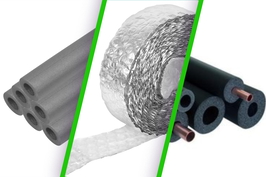
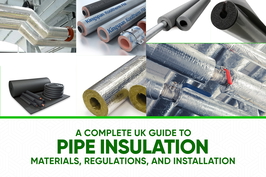
Insulation for hot pipes typically employs materials such as fibreglass, mineral wool, foam plastics, elastomeric foam, or cellular glass, all designed to endure high temperatures and minimise heat loss.
When selecting insulation, important factors to consider include the size of the pipe, the temperature it will carry, safety requirements, environmental conditions, and the ease of installation.
Proper insulation plays a vital role in conserving energy, preventing freezing, reducing noise, and ensuring a consistent supply of hot water.
To achieve optimal performance, it is essential to pay close attention to the details of installation and ongoing maintenance. By doing so, you can significantly enhance the effectiveness of your insulation approach.
Common Materials Used for Hot Pipe Insulation
When selecting materials for hot pipe insulation, various options are frequently utilised based on their properties and application requirements.
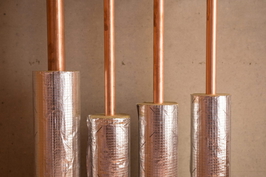
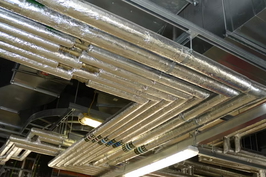
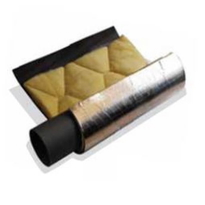
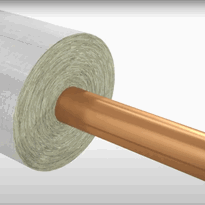
Fibreglass insulation is widely favoured in sectors such as petrochemical and HVAC due to its ability to withstand high temperatures and resist corrosion, offering exceptional thermal and acoustic insulation.
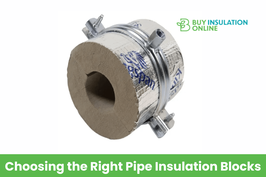
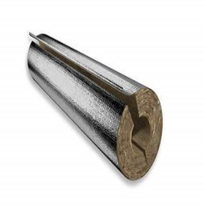
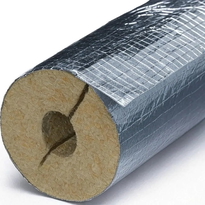
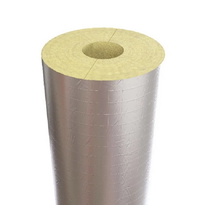
Mineral wool, composed of rock or slag fibres, provides excellent heat resistance, soundproofing, and fire safety, making it suitable for demanding environments.
Foam plastic materials, including polyurethane and polyisocyanurate, deliver high thermal resistance in a lightweight form, ideal for energy efficiency and hot pipe applications.
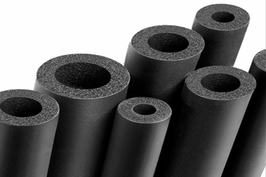
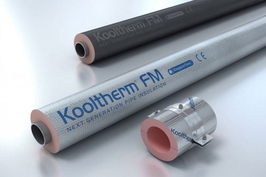
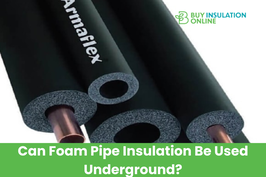
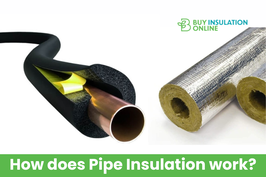
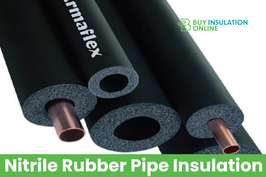
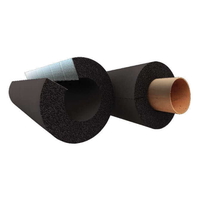
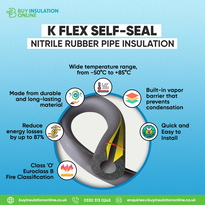
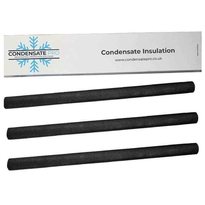
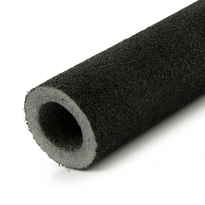
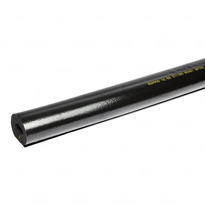
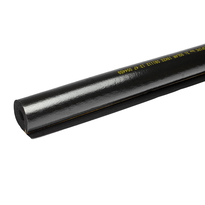
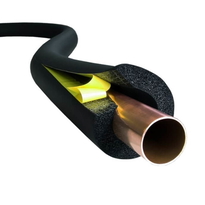
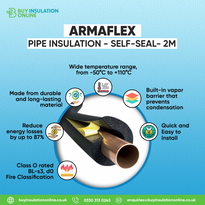
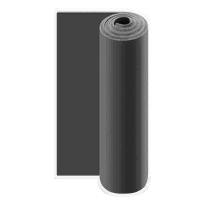
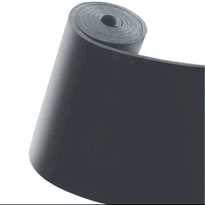
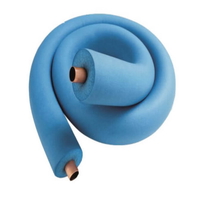
Flexible elastomeric foam, made from rubber, is preferred for its flexibility, moisture resistance, and suitability for pipes with bends.
Cellular glass, also known as foam glass, is highly moisture resistant and durable in extreme temperatures, making it perfect for harsh environments.
When considering insulation for hot pipes, these materials are essential for ensuring safety, efficiency, and performance in various industrial applications.
Factors to Consider When Choosing Insulation
Selecting the appropriate insulation for hot pipes requires careful consideration of several key factors that impact both safety and efficiency.
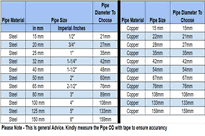
Insulation thickness is influenced by pipe diameter and operating temperature. For smaller pipes, a minimum thickness is necessary to effectively reduce heat loss, while larger pipes require more substantial insulation to achieve optimal performance.
Safety is paramount, particularly for pipes carrying higher temperatures, where thicker insulation is essential to prevent burns. Ensuring proper installation techniques also plays a critical role in maintaining safety standards and insulation performance.
Environmental conditions also play a significant role in the choice of insulation materials and their thickness. Factors such as local climate and potential moisture exposure must be taken into account to ensure durability and effectiveness.
Accurate measurement of pipe size, material, and layout is crucial for successful insulation application. Precise assessment of existing piping systems helps determine the most suitable insulation options and prevent future issues.
Additionally, considerations regarding ease of installation and future maintenance are important for ongoing safety and energy efficiency.
Benefits of Proper Insulation for Hot Pipes
Proper insulation of hot pipes provides numerous advantages that enhance performance, safety, and cost-efficiency. By insulating hot water pipes, you can significantly reduce heat loss, leading to noticeable energy savings on annual water heating bills. This is particularly beneficial in colder areas such as crawl spaces, where heat tends to escape more readily.
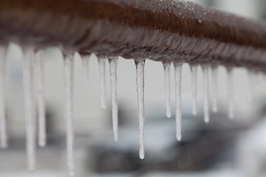
Insulation not only ensures that hot water is available more quickly, minimising waiting times and reducing water wastage, but it also helps maintain consistent water temperatures for added comfort. Furthermore, it protects pipes from freezing, thereby preventing potentially costly bursts, and reduces the risk of burns from hot surfaces. Proper insulation can also contribute to safer mechanical room environments by reducing unintended hot surfaces and temperature hazards. In addition to these benefits, insulation helps to diminish noise caused by water flow, contributing to a quieter environment. It also plays a role in lowering environmental impact by decreasing energy consumption and carbon emissions.
Installation Tips for Effective Insulation
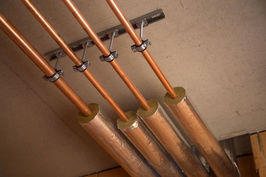
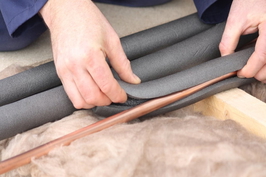
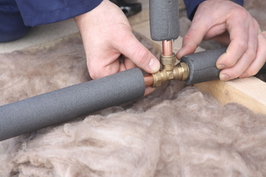
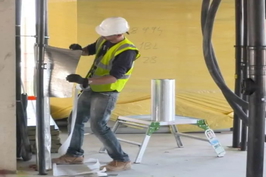
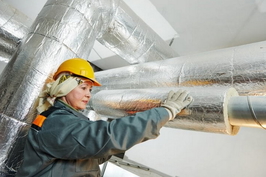
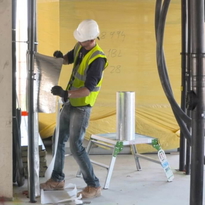
To ensure insulation works effectively, careful preparation and precise techniques are essential during installation. Accurately measuring pipes helps determine the right amount of insulation needed for a snug fit. Insulating all hot and cold water supply pipes minimizes heat loss and condensation issues. Cleaning and drying the pipes ensures good adhesion and prevents gaps. For fibreglass sleeves, match the inside diameter closely to the pipe’s outside diameter for a secure seal. Maintain at least 6 inches clearance from gas water heater flues, and utilise fibreglass wrap if within 8 inches. Mark fittings and valves for specialised insulation treatment.
Some key tips include:
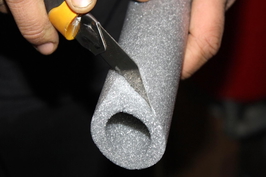
Measure pipes accurately to cut insulation to size.
Wrap fibreglass sleeves around pipes without compressing them.
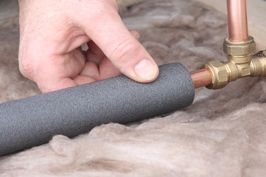
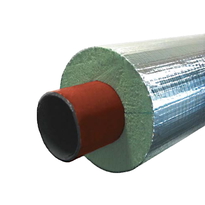
Slip foam tubing smoothly over pipes, securing it every few feet.
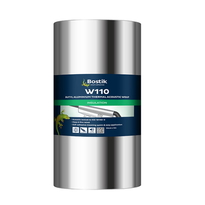
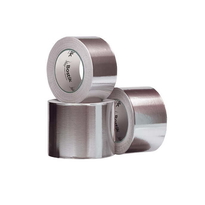
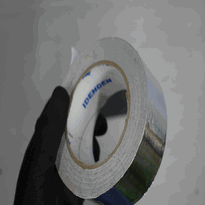
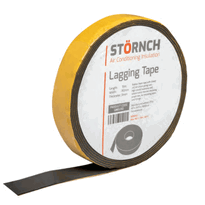
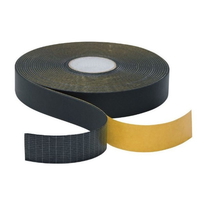
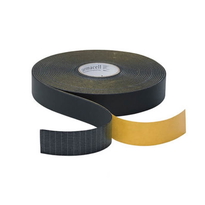
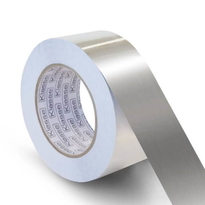
Seal joints with high-temperature tape or wrap.
Use removable jackets on elbows and valves for easy maintenance.
Maintenance and Inspection of Insulated Hot Pipes
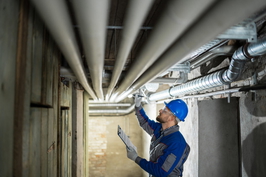
Regular maintenance and inspection are essential for ensuring insulated hot pipes operate efficiently and for avoiding costly repairs. Conducting visual inspections frequently is crucial to identify damage such as cracks, tears, or compression that can diminish insulation effectiveness.
Be vigilant for signs of moisture, stains, or mould, which may indicate water intrusion, and check for any loose or displaced insulation. It's important to ensure that seals and joints remain intact, and to examine any exposed pipes for rust or corrosion, as these may signal potential failures. Proper inspection procedures according to established standards help maintain insulation integrity.
Utilising diagnostic tools like thermal imaging cameras can help detect heat loss or gaps, while moisture meters are effective for identifying hidden dampness.
Maintenance tasks should include replacing any damaged sections, cleaning surfaces, sealing joints, and ensuring that insulation completely covers valves. Additionally, protecting pipes with weather-resistant coverings is advisable.
Keeping detailed records of inspections, repairs, and materials used is beneficial for facilitating future maintenance efforts.
Conclusion
Proper insulation of hot pipes enhances energy efficiency, prevents heat loss, and reduces the risk of burns. Choosing the right materials based on factors such as temperature and environment is crucial for ensuring long-lasting performance. Regular maintenance and inspections allow for early identification of issues, helping to maintain the effectiveness of the insulation.
By adhering to installation guidelines and selecting suitable insulation, property owners can enhance safety and achieve cost savings. Overall, investing in quality insulation is a sensible step towards creating safer and more efficient piping systems.
The right insulation not only improves the overall performance of hot pipes but also contributes to a more sustainable environment. It is essential for property owners to prioritise insulation as part of their building maintenance strategy, ensuring that their systems operate efficiently and safely.
Featured Articles on Insulation for hot pipes