Why You Need to Insulate Mains Water Pipes This Winter
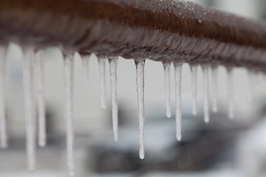
As winter temperatures plummet, insulating mains water pipes becomes crucial to prevent freezing and potential burst pipes. Frozen pipes can lead to significant damage and expensive repairs, making proactive measures essential.
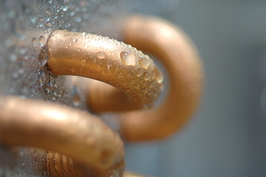
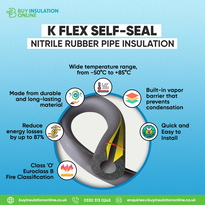
The benefits of insulation extend beyond just preventing freezes; it also minimises condensation, which can contribute to moisture issues and the risk of mould growth.
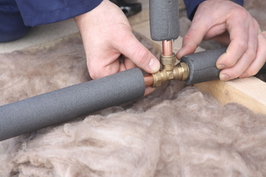
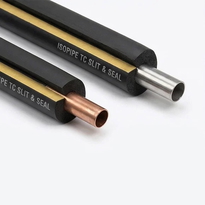
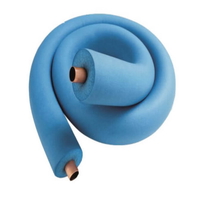
Many homeowners successfully adopt DIY methods to insulate their pipes without the need for professional assistance. Simple materials such as foam sleeves or pipe wraps can be easily applied, creating a protective barrier against cold air and dampness.
These straightforward measures help maintain a safer environment, protecting the integrity of plumbing systems and reducing the likelihood of disruptions.
Understanding the importance of pipe insulation empowers homeowners to take action, safeguarding their properties during the harsh winter months.
Types of Insulation Materials for Mains Water Pipes
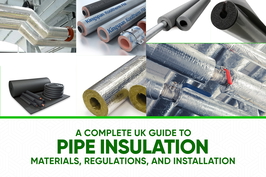
Selecting the appropriate insulation material is crucial for safeguarding mains water pipes against damage from cold weather. There are various options available, each offering distinct advantages in energy efficiency, moisture management, and ease of installation.
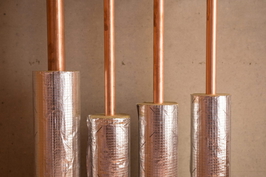
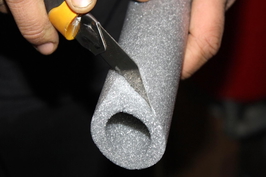
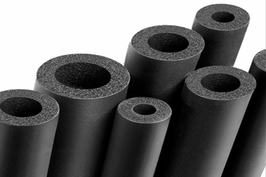
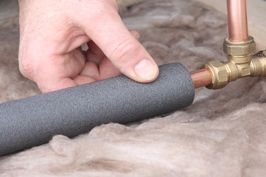
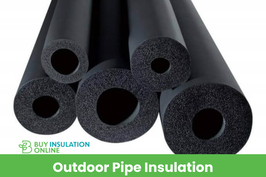
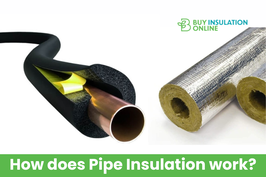
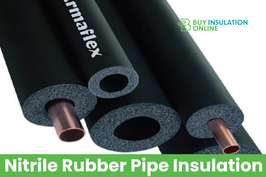
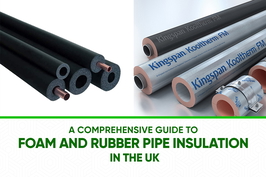
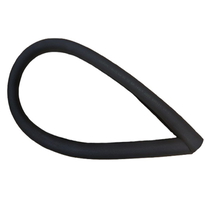
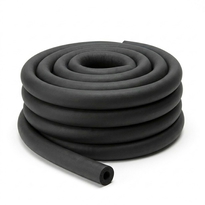
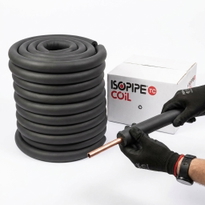
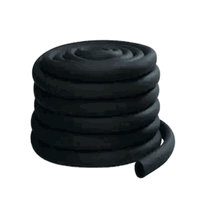
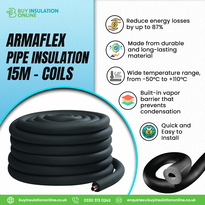
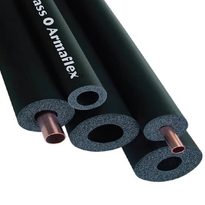
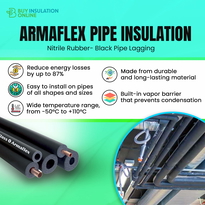
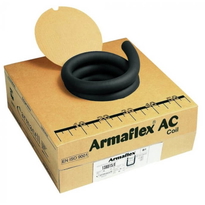
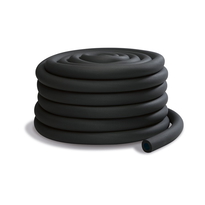
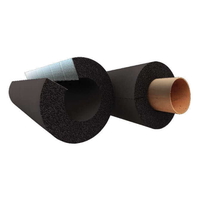
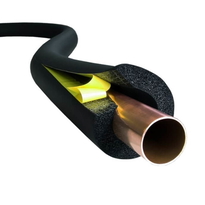
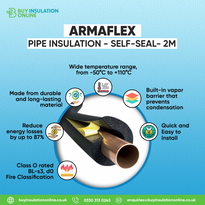
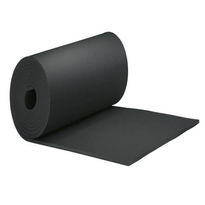
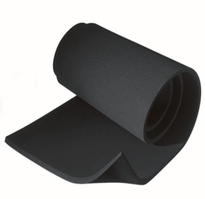
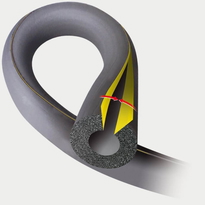
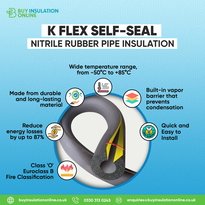
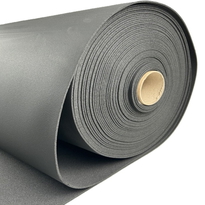
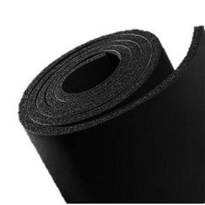
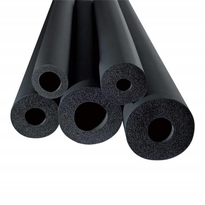
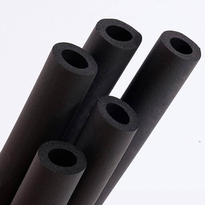
Foam insulation is particularly effective, providing excellent thermal resistance while being straightforward to fit around pipes. It is a popular choice for many homeowners due to its balance of performance and ease of use.
Fibreglass wrap is another viable option, renowned for its moisture control properties. However, it does require careful handling during installation to ensure optimal performance.
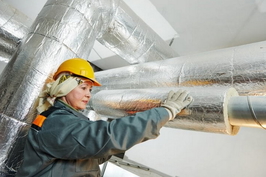
Reflective barriers are beneficial for improving heat retention, as they work by reflecting radiant heat back towards the source, making them an efficient choice for maintaining warmth.
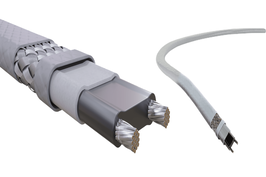
Heat tape serves as an active heating solution to prevent freezing. While it can be more costly than other options, it is particularly useful in areas prone to extreme cold.
When choosing the most suitable insulation, consider your specific requirements, budget constraints, and the environmental conditions in your region.
Material |
Key Benefit |
Cost Considerations |
| Foam Insulation | Easy installation | Moderate |
| Fibreglass Wrap | Excellent moisture control | Low to moderate |
| Reflective Barriers | Enhances heat retention | Low |
| Heat Tape | Actively prevents freezing | Higher |
How to Insulate Your Mains Water Pipes Step by Step
Insulating mains water pipes is essential for enhancing energy efficiency and preventing potential issues such as freezing. This guide will walk you through the necessary steps to ensure effective insulation.
Measure the Pipe Length
Start by measuring the length of your pipes. This will help you determine how much insulation material you'll require.
Clean the Pipes
Next, thoroughly clean the pipes to remove any dirt and moisture. A clean surface allows for better adhesion of the insulation material.
Select Appropriate Insulation
Choose insulation that suits the material of your pipes and the specific conditions in your area. Popular options include foam pipe insulation and fibreglass wraps, which are both effective in minimising heat loss.
Cut the Insulation
Carefully cut the insulation to fit snugly around each section of pipe. Ensuring a tight fit will enhance the insulation's effectiveness.
Fit the Insulation
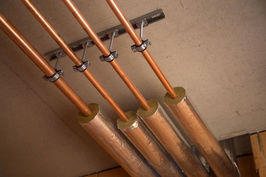
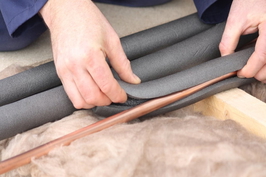
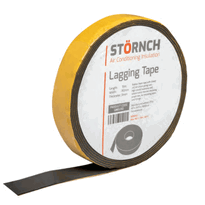
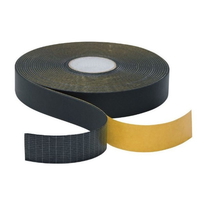
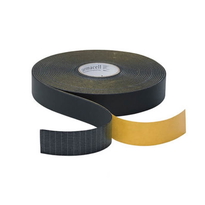
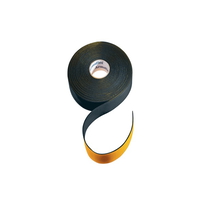
Using DIY techniques, wrap the insulation around the pipes with care. Secure it using adhesive tape or clips where necessary to ensure it stays in place.
Check for Gaps
Finally, inspect the insulated pipes for any gaps or loose sections. Ensuring full coverage will maximise the benefits of your insulation.
By following these straightforward steps, you can significantly improve your home’s energy efficiency while protecting your pipes from freezing during colder months.
Insulating your mains water pipes is a worthwhile investment that invites everyone to contribute to a more energy-efficient home.
Common Mains Water Pipe Insulation Mistakes to Avoid
Properly insulating mains water pipes can significantly enhance energy efficiency and mitigate the risk of damage during colder months. Unfortunately, several common mistakes can diminish these advantages.
One frequent error is selecting insulation that's too thin, which compromises its effectiveness. Additionally, inadequate installation techniques—such as leaving gaps or failing to seal joints correctly—can lead to heat loss and increase the likelihood of pipes freezing.
Another common oversight involves neglecting bends and valves; these areas require insulation as well to ensure comprehensive protection. Furthermore, some individuals mistakenly assume that any insulation material will suffice, but the choice of the right type is crucial.
Finally, not securing the insulation firmly can result in it slipping over time, further diminishing its performance.
To avoid these pitfalls, keep in mind the following common mistakes:
Using insulation that's insufficient in thickness
Overlooking essential areas like pipe joints and bends
Applying insulation loosely without adequate securing
Selecting incompatible insulation materials
Neglecting proper installation techniques for a snug fit
How Pipe Insulation Saves Energy and Cuts Heating Bills
Mains water pipes often traverse unheated areas, allowing heat to escape from the water within. This loss of heat compels the heating system to work harder, resulting in increased energy consumption.
Insulating these pipes significantly enhances energy efficiency by minimising heat loss, ensuring that the water remains warmer for longer as it circulates through the system.
This improved insulation requires less energy to maintain desired temperatures, contributing to notable savings on heating bills. Furthermore, effective insulation safeguards pipes against freezing, which can lead to costly repairs.
By investing in proper pipe insulation, households align themselves with a growing community committed to reducing energy waste and managing heating costs more effectively.
Conclusion
Insulating mains water pipes during the winter is crucial to prevent freezing, reduce heat loss, and minimise energy costs. A variety of insulation materials provide effective protection, and adhering to proper installation techniques ensures optimal performance.
Avoiding common pitfalls can prolong the lifespan of the pipes and enhance home efficiency. Overall, pipe insulation is a sensible investment that increases comfort and saves money, making it a wise choice for homeowners facing the challenges of cold weather.
By taking the time to properly insulate your pipes, you not only safeguard your plumbing system but also contribute to a more energy-efficient home.
Featured Articles on Mains water pipe insulation