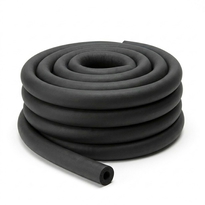
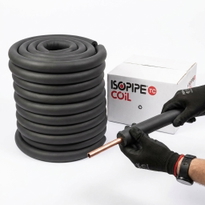
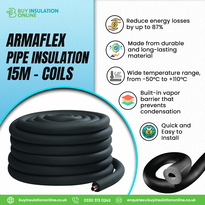
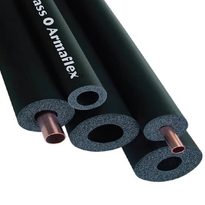
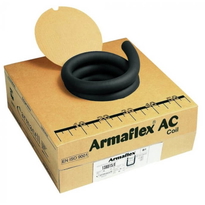
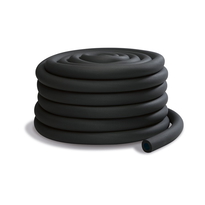
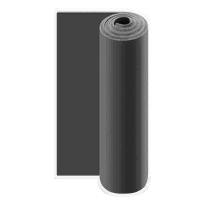
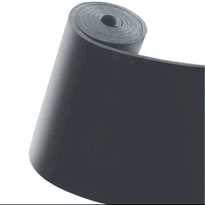
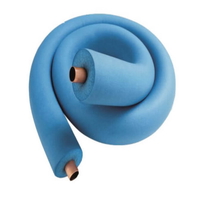
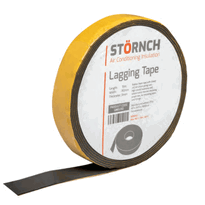
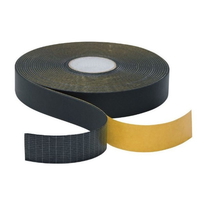
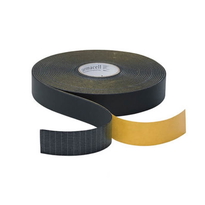
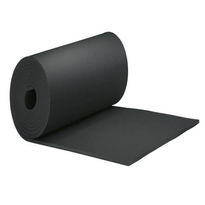
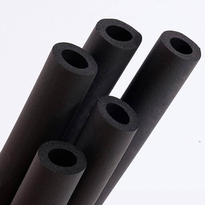
Neoprene Pipe Insulation
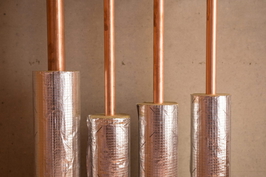
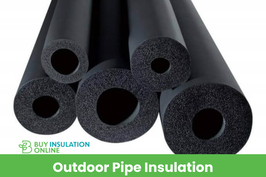
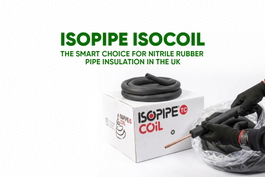
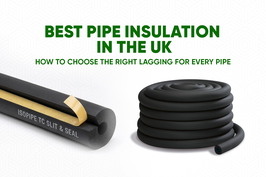
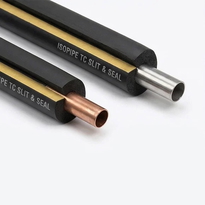
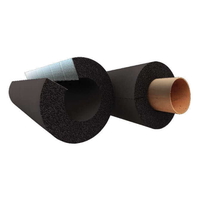
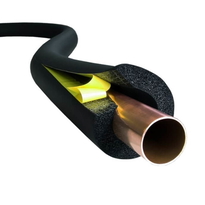
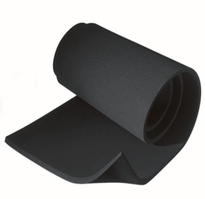
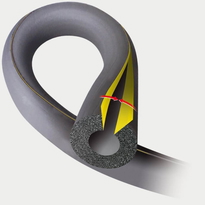
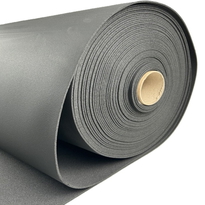
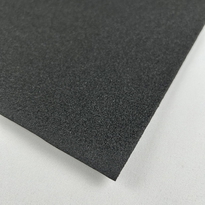
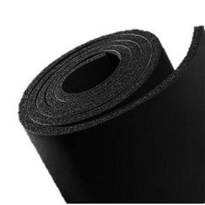
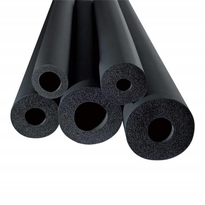
Neoprene pipe insulation is crafted from polychloroprene foam, providing exceptional thermal and moisture resistance. Its closed-cell structure effectively prevents water absorption and minimises condensation, while its inherent flexibility ensures straightforward installation.
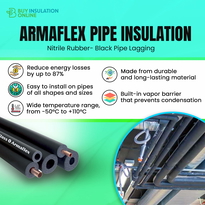
Neoprene is capable of withstanding a broad temperature range, guaranteeing dependable insulation in both cold and warm environments. This material also adheres to fire safety standards, thanks to its flame-retardant properties, making it suitable for various applications.
For those interested in installation techniques and environmental considerations, further insights are available for exploration.
Composition and Material Properties of Neoprene Insulation
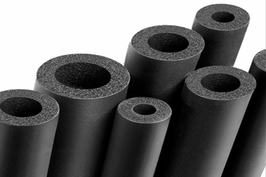
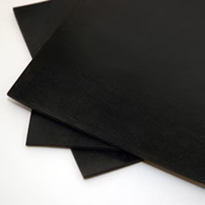
Neoprene insulation is composed of a synthetic rubber polymer known as polychloroprene, which is produced through the polymerisation of chloroprene monomers. This versatile material incorporates chlorinated butadiene units, imparting significant elasticity and resistance to various chemicals. To enhance its longevity, stabilisers and antioxidants are integrated, enabling the insulation to resist degradation over time. Many formulations of neoprene also include flame retardants and anti-microbial additives, which contribute to its safety and durability. In comparison to other elastomers, neoprene exhibits superior chemical and flame resistance properties, rendering it suitable for challenging environments. Typically, neoprene insulation is structured as a closed-cell foam, which offers excellent moisture resistance and insulation performance. Its balanced density and surface options—whether smooth or textured—facilitate ease of installation and provide optimal mechanical grip for a broad range of applications. Neoprene's resistance to outdoor elements makes it particularly suitable for harsh environments, further ensuring its effectiveness in diverse settings.
Temperature Tolerance and Thermal Performance
Neoprene pipe insulation is known for its ability to withstand a range of temperatures, typically from very low to moderately high levels, without compromising its performance. Certain formulations of neoprene-based elastomeric insulations are designed to function effectively across a broader spectrum, making them suitable for various applications in the UK. Neoprene's temperature tolerance allows it to be used in diverse environments where temperature fluctuations occur. Understanding the temperature limits of neoprene insulation is crucial. This knowledge ensures that the insulation retains its effectiveness, providing essential protection for the pipes it encases. Proper insulation not only enhances thermal performance but also aids in preventing potential damage, thereby contributing to the longevity of the piping system. When selecting neoprene insulation, it's important to consider the specific requirements of your application to ensure optimal thermal management and efficiency.
Wide Temperature Range
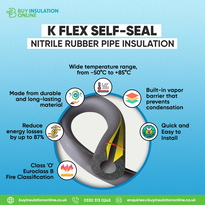
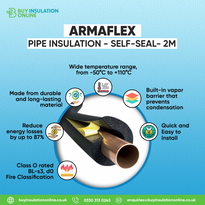
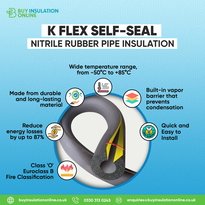
Materials used for pipe insulation that can withstand a broad temperature range are highly prized across various industries. Neoprene-based insulations are particularly noteworthy due to their impressive thermal tolerance, typically spanning from extreme cold to elevated heat.
This extensive range enables them to perform effectively in diverse environments, offering reliable protection for pipes.
Feel assured knowing your pipes remain safeguarded through extreme weather conditions.
Rely on insulation that seamlessly adapts to your requirements.
Experience peace of mind from durability in challenging situations.
Become part of a community that values resilience and quality.
These attributes cultivate a sense of belonging among professionals in search of durable, versatile solutions.
Neoprene's extensive temperature range makes it a trustworthy choice for those who demand consistent performance and reassurance in their insulation needs.
Superior Thermal Resistance
Thermal resistance plays a crucial role in how effectively pipe insulation curtails heat transfer. High-performing materials must exhibit low thermal conductivity across varying temperatures to ensure energy efficiency and protection. Neoprene, with its consistently low thermal conductivity, maintains stability even as temperatures fluctuate, thereby supporting reliable insulation performance. Additionally, neoprene has excellent chemical resistance, which helps preserve its thermal properties over time. Its closed-cell structure effectively traps air, which is a poor conductor of heat, further enhancing thermal resistance. Optimising insulation thickness can lead to improved energy savings without unnecessary bulk.
The table below highlights key features:
Feature |
Benefit |
| Low thermal conductivity | Maintains efficiency across temperature ranges |
| Temperature-dependent stability | Ensures dependable performance |
| Moisture resistance | Preserves thermal resistance over time |
These characteristics make neoprene particularly suitable for applications that require dependable thermal protection, especially in energy-conscious environments.
Moisture Resistance and Condensation Prevention
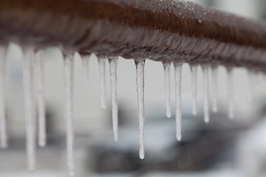
Moisture resistance and condensation prevention are vital advantages of using closed-cell foam insulations such as neoprene. The closed-cell structure inherently resists water absorption, creating a robust barrier against moisture infiltration. This helps prevent mould growth, even in damp environments, ensuring that the insulation remains effective over time. Material properties like low water vapor permeability contribute significantly to these moisture control benefits. Neoprene's high vapour diffusion resistance guarantees that moisture doesn't migrate through the material, thereby minimising the risk of condensation on pipes. Proper sealing of seams and joints enhances this protection, ensuring that moisture is kept out entirely. Maintaining pipe surface temperatures above the dew point is crucial in minimising condensation. Moreover, employing thicker insulation can reduce heat loss, thereby further preventing moisture accumulation. With its durable resistance to water, oils, and chemicals, neoprene provides a long-lasting solution that promotes a safer and more reliable piping system.
Fire Safety Standards and Ratings
Fire safety standards and ratings play a crucial role in the selection of neoprene pipe insulation, ensuring that it adheres to safety and performance criteria.
Materials with flame retardant properties undergo rigorous testing against recognised standards such as UL94-VO and ASTM E119. These assessments evaluate their ability to resist flames and inhibit the spread of fire. This testing verifies the material's compliance with safety regulations, providing confidence in its fire-resistant capabilities.
It is essential to consider proper installation practices, as they significantly contribute to maintaining the insulation’s fire-resistant properties and ensuring safety during usage.
Adhering to these guidelines not only enhances the performance of the insulation but also helps safeguard both property and lives in the event of a fire.
When choosing neoprene pipe insulation, always prioritise materials that comply with established fire safety standards for peace of mind and enhanced safety in your environment.
Fire Resistance Classification
Fire resistance classification is essential in assessing the ability of neoprene pipe insulation to endure and contain fire hazards. It offers a clear insight into how materials perform under extreme conditions, ensuring safety and compliance with regulations. Standards such as those set by relevant bodies evaluate insulation for temperature rise, flame spread, and structural integrity during fire incidents. Selecting insulation that meets British and European classifications guarantees adherence to local safety legislation. This classification system, which ranges from non-combustible to easily flammable materials, fosters a sense of community among those dedicated to safety. Fire testing procedures are standardized internationally to ensure consistency across different materials and products.
Feel assured knowing your pipes comply with stringent fire safety standards.
Rely on materials that are rated for superior fire resistance.
Become part of a community that values safe and dependable building practices.
Enjoy peace of mind, knowing that fire risks are effectively managed.
Flame Retardant Properties
Flame retardant properties of neoprene pipe insulation are essential for ensuring safety and adherence to fire safety regulations. These regulations establish specific criteria that materials must fulfil to inhibit the spread of fire and mitigate smoke toxicity. For instance, materials that comply with UL94-VO standards exhibit excellent flame resistance, while BS476 classifications indicate their level of fire resistance.
By ensuring proper flame retardancy, neoprene insulation significantly reduces hazards, making it safer and more dependable in a variety of settings.
Standard |
Key Feature |
| NFF16-101 M2-F3 | Meets flame retardant criteria |
| UL94-VO | Resists flame spread |
| BS476 pt. 6 & 7 Class O | Prevents fire spread |
| Fire Safety Regulations | Ensures overall fire safety |
These standards aid in confirming that neoprene insulation plays a vital role in fire safety, providing users with peace of mind and contributing to the safety of the community.
Safe Installation Practices
When installing neoprene pipe insulation, it's crucial to follow established fire safety standards to ensure proper protection and compliance. Adhering to regulations helps assess fire resistance, flame spread, and smoke production. Using materials that meet recognised standards guarantees flame retardancy and reduced smoke toxicity. Proper installation involves selecting the right thickness, sealing gaps, and applying fire-resistant jacketing where necessary, all to prevent the spread of fire. Compliance with standards like ASTM E84 ensures that the insulation will produce low smoke and flame spread ratings. Feel confident knowing your installation keeps everyone safe. Trust that your compliance demonstrates your commitment to safety. Experience peace of mind with reliable, certified materials. Know your work helps protect everyone in your building.
Installation Techniques and Application Areas
Proper installation of neoprene pipe insulation involves several key techniques to ensure effective thermal protection and moisture control.
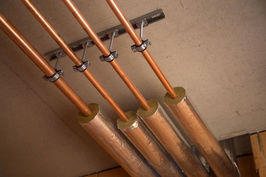
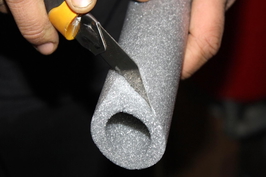
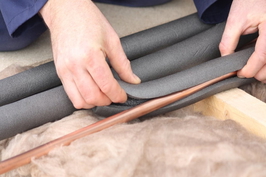
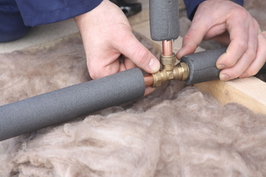
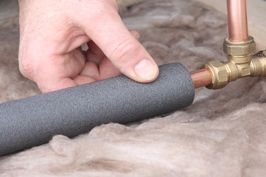
First, accurately measure the length of the pipes, including both hot and cold water lines, and select insulation sleeves that provide a snug fit. It's essential to thoroughly clean the pipes to remove any dirt, oil, or debris, as this enhances adhesion and overall fit. Cleaning the pipes thoroughly also helps prevent mold growth within the insulation material. When cutting the sleeves, use a sharp tool to ensure smooth edges. For fittings around elbows or tees, employ specialised cuts such as “fish mouth” notches to eliminate gaps. Seal seams with adhesive tape or sealant, and secure the insulation at regular intervals with ties or clamps to prevent any movement.
Properly sealing penetrations and avoiding compression further enhances the performance of the insulation.
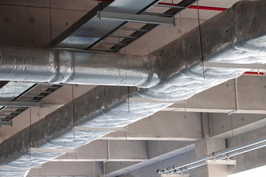
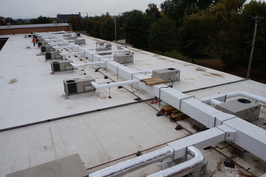
These techniques are suitable for various applications, including residential piping, HVAC systems, and industrial environments, providing reliable temperature control and effective moisture prevention.
Environmental Impact and Durability Factors
Neoprene pipe insulation presents numerous benefits regarding its environmental impact and durability, which is why it's a preferred option for various applications.
Its robust resistance to moisture, chemicals, and weathering enhances its longevity, thereby minimising the need for frequent replacements and reducing waste. With its closed-cell structure, neoprene effectively prevents mould growth, contributing to a healthier environment.
However, it's important to acknowledge that the energy-intensive manufacturing process results in elevated carbon emissions, and disposal can pose challenges due to limited recycling options, leading to increased landfill concerns.
Nevertheless, proper insulation with neoprene aids in lowering energy costs and reducing greenhouse gas emissions, ultimately benefiting the planet.
By choosing neoprene insulation, you can take pride in selecting a durable and efficient solution that aligns with a commitment to sustainability.
Experience the satisfaction of opting for long-lasting, eco-friendly solutions.
Play a role in reducing waste and fostering a healthier environment.
Contribute to lowering energy costs for your community and future generations.
Join a community that values durability and responsible resource use.
Comparing Neoprene to Alternative Insulation Materials
Neoprene pipe insulation is renowned for its durability and versatility, yet comparing it with alternative materials highlights both its advantages and limitations.
Neoprene features low thermal conductivity, effectively reducing heat loss or gain, which enhances its efficiency for both hot and cold pipes. Its closed-cell structure provides resistance to moisture intrusion, acting as a vapour barrier that helps prevent condensation and corrosion.
Moreover, its flexibility facilitates installation, particularly in tight or irregular spaces.
While foam insulations may appear more cost-effective initially, they typically exhibit higher thermal conductivity and are less effective at resisting moisture.
Phenolic insulation provides good thermal resistance for cold pipes, and advanced foams such as polyurethane can withstand high temperatures, albeit at a higher price point.
Conclusion
Neoprene pipe insulation provides excellent moisture resistance, commendable temperature tolerance, and remarkable durability, making it ideal for a variety of applications. Its adherence to fire safety standards ensures safe usage in diverse environments, while the installation process is straightforward and user-friendly.
While there are alternative insulating materials available, neoprene stands out due to its distinctive properties, particularly in situations where moisture and heat are significant concerns. This makes it a dependable option for maintaining the integrity and safety of pipes.
In summary, neoprene pipe insulation delivers an effective and long-lasting solution, ensuring that pipes remain well-protected against environmental factors.
Featured Articles on Neoprene pipe insulation