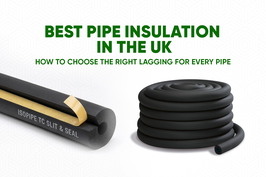
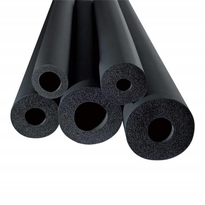
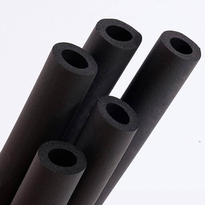
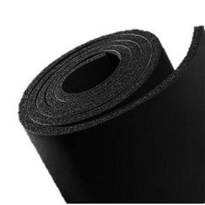
What Is Armour Flex Lagging and How Does It Work?
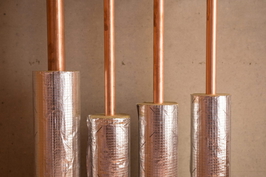
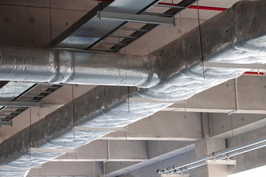
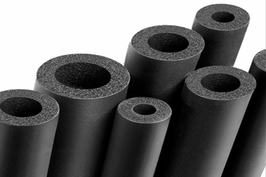
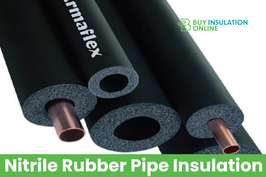
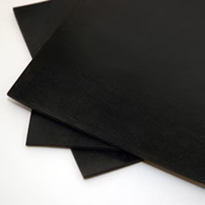
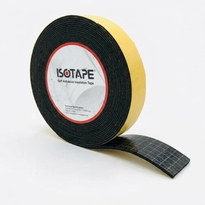
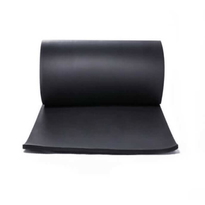
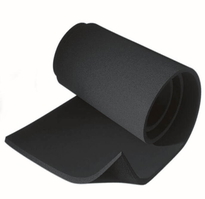
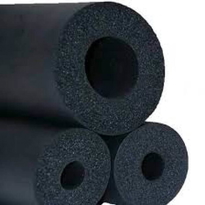
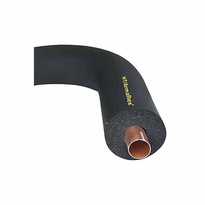
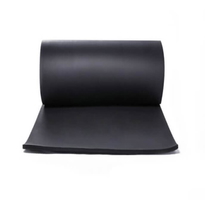
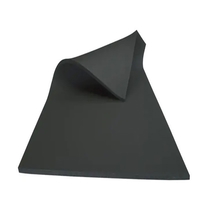
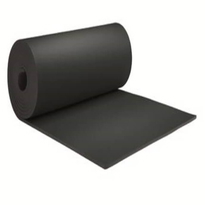
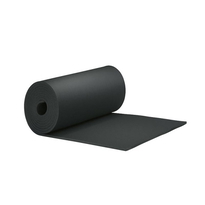
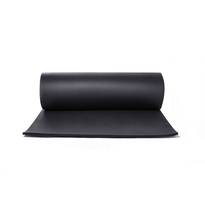
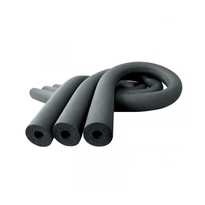
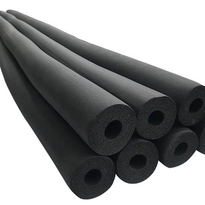
Armour Flex lagging is a specialised material designed for the protection of industrial equipment, especially rotating machinery and pipes. It provides a robust, heat-resistant barrier that minimises wear and tear from friction, heat, and external impacts.
This lagging is crafted from high-quality rubber and composite materials, allowing it to endure harsh environments. When applied to the surfaces of machinery or belts, it enhances grip and reduces slippage, thereby improving operational efficiency.
Additionally, it helps prevent damage from corrosion and mechanical stress, significantly extending the lifespan of equipment.
The installation process is straightforward, as the material conforms to various shapes, ensuring a snug fit. Overall, Armour Flex lagging combines durability and flexibility, making it an essential solution for industries where machinery reliability is paramount.
This fosters a sense of security and belonging among workers, contributing to a safer and more efficient workplace.
Why Armour Flex Lagging Is a Game-Changer for Conveyor Belts
Conveyor belts are essential in various industries, facilitating the efficient and dependable movement of materials. Armour Flex Lagging is revolutionising the performance of these belts, offering numerous advantages.
One of its standout features is the significant improvement in grip, which reduces slippage and enhances safety for workers. The flexible design effectively absorbs shocks and adapts to the movements of the belt, contributing to a longer lifespan for the entire conveyor system.
Moreover, Armour Flex Lagging boasts superior resistance to wear and tear compared to traditional lagging materials. This durability leads to lower maintenance costs, making it an economically wise choice for many businesses.
As a result, industries increasingly rely on Armour Flex Lagging to maintain smooth operations while minimising downtime. Additionally, it contributes to improved energy efficiency, requiring less power to keep the belt in motion.
How to Choose the Best Armour Flex Lagging for Your Industry
Selecting the most suitable Armour Flex lagging for your industry requires careful consideration of various factors. Key elements to assess include durability, the specific environmental conditions, and the type of belt in use. Different sectors face distinct challenges, making it essential to understand their unique requirements.
For instance, mining operations necessitate robust lagging that can endure significant abrasion, while the food processing industry prioritises hygiene and ease of cleaning. Below is a concise guide to assist in your decision-making:
Industry |
Key Priority |
Recommended Lagging |
| Mining | Abrasion resistance | Heavy-duty, high-impact lagging |
| Food & Beverage | Hygiene and cleanliness | Easy-to-clean, non-toxic options |
| General Industry | Cost-effectiveness and longevity | Durable, budget-friendly choices |
Installing and Maintaining Armour Flex Lagging for Longevity
Proper installation and maintenance are vital to ensure Armour Flex lagging performs effectively over time.
Installation Guidelines
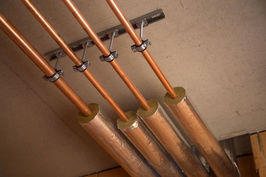
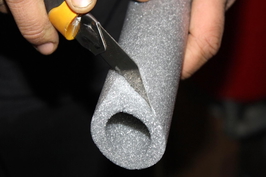
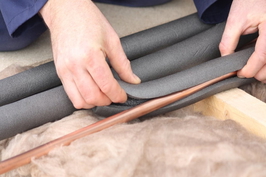
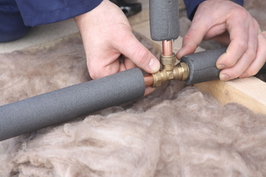
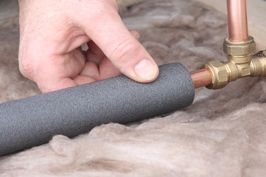
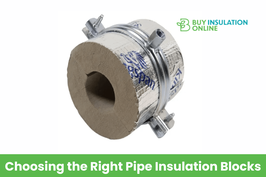
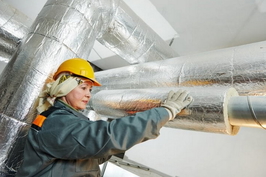
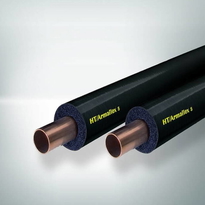
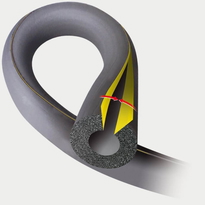
Correct installation involves securing the lagging tightly to the pipe or surface, ensuring all overlaps are staggered and sealed properly to prevent any gaps.
Utilising the appropriate tools and adhering to manufacturer instructions assists in achieving a smooth and durable application.
Regular Inspections
Conducting regular inspections is crucial to identify any damage or wear early, particularly in challenging conditions.
Cleaning and Maintenance
Periodic cleaning of the lagging helps prevent dirt buildup and preserves its protective qualities.
It's important to address repairs promptly; neglecting small issues can lead to more significant problems later on.
Armour Flex Lagging vs. Traditional Coverings: Which Is Better?
When deciding between Armour Flex lagging and traditional coverings, it's essential to evaluate their performance, durability, and cost-effectiveness.
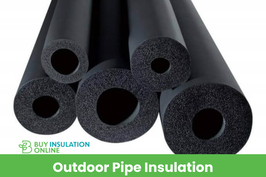
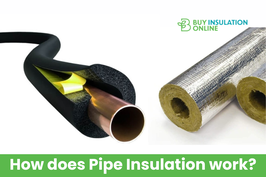
Armour Flex lagging provides exceptional flexibility, allowing it to conform snugly around pipes and equipment. This characteristic significantly reduces the risk of damage. Moreover, it offers enhanced protection against harsh environmental conditions and corrosion, contributing to its long-lasting durability.
In contrast, traditional coverings, such as rubber or clay, may appear more economical at first glance. However, they often wear out more quickly and necessitate frequent replacements. The longevity of Armour Flex can lead to considerable savings over time, as it reduces the need for regular maintenance and minimises operational downtime.
For those prioritising reliability and safety, Armour Flex lagging frequently emerges as the superior option. It delivers a robust and dependable insulation solution, ensuring the smooth continuation of operations and providing peace of mind for users.
Conclusion
Armour Flex lagging provides a robust and efficient solution for safeguarding conveyor belts across a range of industries. It enhances safety, minimises maintenance expenses, and prolongs the lifespan of belts by effectively resisting wear and tear.
Selecting the appropriate lagging is crucial and should be based on the specific application and operational requirements. Proper installation, alongside regular maintenance, is vital to ensure optimal performance.
In comparison to traditional coverings, Armour Flex lagging offers a contemporary and resilient alternative, delivering long-term advantages and improved overall efficiency.
Featured Articles on Armour flex lagging