Insulated Plasterboard With Foil Backing
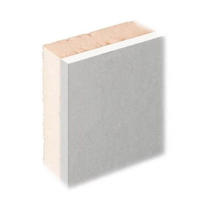
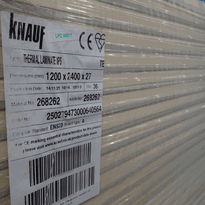
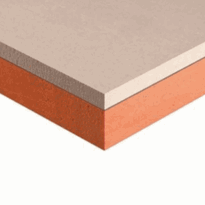
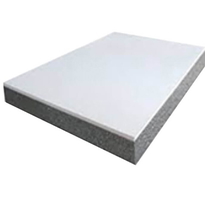
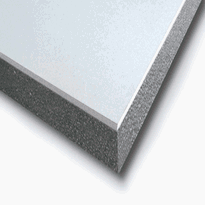
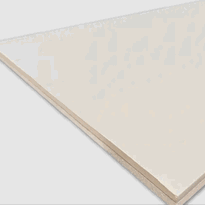
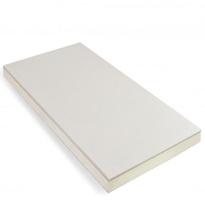
Insulated plasterboard with foil backing combines a gypsum core, an insulation layer, and reflective aluminium foil to enhance thermal performance, moisture resistance, and fire safety. The foil acts as a vapour barrier, preventing moisture ingress and reducing heat loss, making it suitable for use on walls and ceilings in both renovation projects and new builds. These panels are straightforward to install using adhesives and mechanical fixings, ensuring compliance with UK safety standards.
A detailed understanding of installation techniques, suitable materials, and performance standards is essential for achieving optimal results. Proper installation not only improves energy efficiency but also enhances overall structural integrity and safety. When selecting insulated plasterboard with foil backing, consider the specific requirements of the building and adhere to manufacturer guidelines to maximize benefits and ensure long-term durability.
Benefits of Foil-Backed Insulated Plasterboard
Foil-backed insulated plasterboard provides several significant benefits that enhance the performance of buildings by combining thermal insulation and moisture management within one product. The foil layer acts as a radiant barrier, reflecting heat and minimizing heat loss, which contributes to improved energy efficiency and helps to reduce heating costs.
This type of plasterboard also functions as an extra insulating layer, making it particularly suitable for colder or damp environments where moisture resistance is essential. The foil backing serves as a built-in vapor barrier, preventing the ingress of moisture that can lead to issues such as dampness, mold, and structural deterioration. Proper diagnosis of damp and moisture-related issues is crucial for selecting the most effective remedial measures.
In addition, integrating insulation with vapor control simplifies the installation process, reducing the need for multiple materials and cutting down on labor and material costs. This combined approach can also help to shorten project timelines, providing a more efficient build process.
Furthermore, foil-backed insulated plasterboard is known for its durability, ensuring long-term performance by maintaining effective thermal and moisture protection over time. This reliability makes it a suitable choice for a wide range of building types and environments across the UK.
Key Materials and Manufacturing Processes
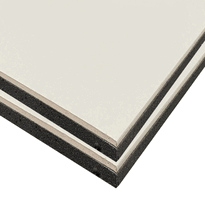
Manufacturing begins with preparing the gypsum core, which involves heating and drying the gypsum before mixing it with additives such as starch, lignosulphonates, and potassium sulphate. These additives enhance properties like workability, adhesion, and fire resistance. The gypsum core is carefully controlled for moisture content and consistency to ensure optimal performance. Incorporating material specifications ensures the core’s suitability for various construction needs. Parallel to this, the insulation core—commonly PIR foam—is produced through chemical reactions and expansion, creating a material with low thermal conductivity that's ideal for insulation purposes. These layers are then bonded through lamination, where adhesives or pressing techniques form a single, integrated board. The foil backing, typically made from aluminium, is laminated onto the surface of the insulation layer. Its primary function is to serve as a vapor and moisture barrier, helping to control condensation and improve overall performance. Following lamination, precise cutting and finishing processes are carried out to ensure that the boards meet specified dimensions and surface quality standards. Throughout manufacturing, strict quality control measures are implemented to guarantee a durable, thermally efficient, and moisture-resistant product suitable for modern UK building requirements. This careful combination of materials and processes results in an effective insulated plasterboard with foil backing that enhances both thermal performance and durability in a variety of construction applications.
Installation Techniques for Optimal Performance
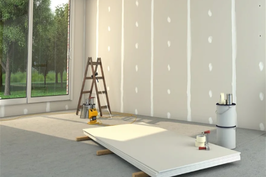
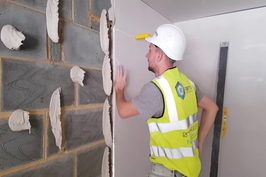
What're the key steps to ensure that insulated plasterboard with foil backing is installed for maximum thermal efficiency and durability? First, walls must be clean, dry, and flat to facilitate proper adhesion and fitment. Accurate measurements and reference lines are essential to ensure correct panel placement, while starting in internal corners helps maintain alignment and aids in sealing. Cutting panels slightly shorter than full height prevents damage from floor moisture and allows for natural expansion. Adhesive application should be continuous in a zigzag or dab pattern, applied evenly around edges and openings to guarantee an airtight seal. Mechanical fixings—screws spaced at appropriate intervals and positioned at safe distances from edges—provide added stability. Ensuring continuous leveling and sealing joints with suitable tape and finishing with decoration creates an airtight barrier, thereby maximizing insulation performance. Proper installation research shows that correct installation greatly enhances the material's insulating properties and reduces potential air leaks. Additionally, selecting the appropriate insulation materials, which are designed for thermal and fire resistance ensures long-lasting performance and safety.
Safety Standards and Fire Resistance Characteristics
Fire safety standards and fire resistance properties of insulated plasterboard are crucial for ensuring building safety and regulatory compliance in the UK. These boards are manufactured using fire-resistant materials, such as aerated gypsum cores reinforced with glass fibers and specialized additives that enhance durability and fire protection. Certified products can achieve a fire resistance duration of up to one hour, with classifications such as A2 or B s1 d0 indicating limited combustibility and low smoke emission. Adherence to standards, including BS EN 13501-1 and BS 476 Part 22 is essential. Compliance is verified through independent testing by accredited bodies, ensuring the product performs effectively in fire scenarios. Proper installation plays a vital role in fire safety; this includes effective sealing, correct fixing methods, and appropriate joint treatments. When integrated within certified systems, insulated plasterboards reliably contribute to maintaining fire-resisting partitions, thereby enhancing the overall safety of buildings. It's important that installation methods follow manufacturer guidelines and comply with relevant building regulations to maximize fire protection and minimize risks in the event of a fire. Additionally, fire-resistant materials used in manufacturing enhance the overall performance of the plasterboard under fire conditions.
Practical Applications in Building Renovation
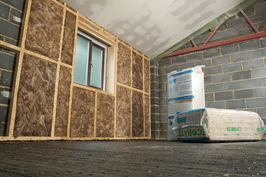
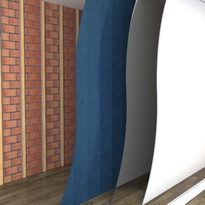
In building renovation projects, insulated plasterboard provides an effective solution by allowing for simultaneous insulation and wall finishing. This integration simplifies the construction process and can significantly reduce overall installation time. Its ease of attachment—whether via dot and dab methods for brick or block walls or directly to timber and steel frames—makes it versatile for a range of structural scenarios. The slim profile of insulated plasterboard means it makes optimal use of limited space, which is particularly useful in areas with space constraints. Additionally, the material's composite structure enhances its insulating properties, making it a practical choice for energy-efficient upgrades. The material also enhances thermal performance by lowering heat transfer through walls, aiding in the reduction of heat loss. Its moisture resistance qualities help protect structures from potential damage caused by dampness and condensation. When applied over existing surfaces, insulated plasterboard offers a cost-effective way to upgrade insulation standards without major structural changes, contributing to energy efficiency and environmental sustainability. Furthermore, selecting appropriate insulation types can improve overall building performance and compliance with green building standards.
Application Areas and Benefits
| Application Area | Benefits |
|----------------------------------|-----------------------------------------------------------------|
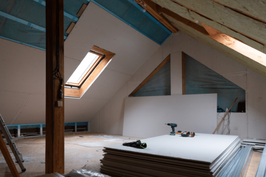
| Loft conversions | Insulates and finishes roof areas efficiently |
| Overboarding existing walls | Adds insulation without the need for major structural modifications |
| Utility room installations | Facilitates utility access while maintaining high insulation standards |
Using insulated plasterboard in renovation projects can lead to improved thermal comfort, reduced energy bills, and a more sustainable building environment—all essential factors for homeowners and professionals across the UK.
Conclusion
Foil-backed insulated plasterboard provides enhanced thermal performance, increased fire resistance, and easier installation processes, making it a dependable choice for building refurbishment projects in the UK. Its primary materials and manufacturing methods ensure consistent quality and adherence to safety regulations, while correct installation techniques help maximize insulation efficiency. Understanding the relevant safety standards associated with these panels ensures their safe and effective use across a range of construction applications. Overall, foil-backed insulated plasterboard offers a durable, energy-efficient solution suitable for modern UK building requirements.
Featured Articles on Insulated plasterboard with foil backing