Insulated Plasterboard With Vapour Barrier
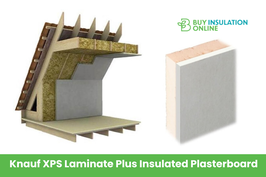
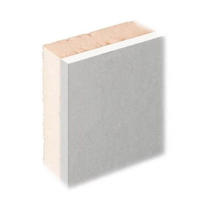
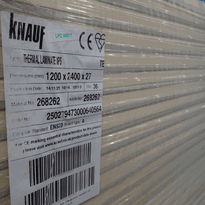
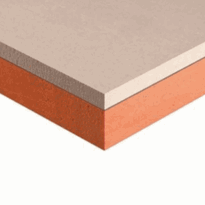
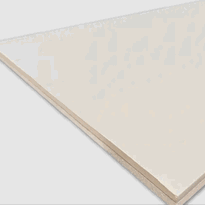
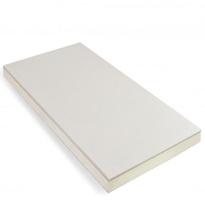
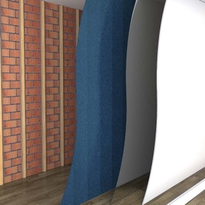
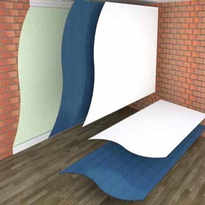
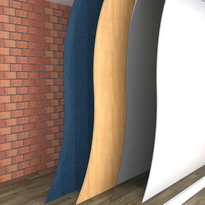
Insulated plasterboard with vapour barrier integrates thermal insulation, a plasterboard surface, and a moisture-resistant layer into a single panel, offering high thermal resistance while effectively managing internal humidity. The core generally comprises rigid foam such as PIR (Polyisocyanurate), which is bonded to a finishing plasterboard surface. A vapour barrier, typically made from foil or laminated kraft facing, is incorporated to prevent moisture transmission through the panel.
Proper installation of insulated plasterboard with vapour barrier is crucial to ensure optimal performance, moisture control, and long-term structural stability. Attention to detail during fitting — including accurate positioning, sealing joints, and maintaining continuity of the vapor barrier—helps maximize insulation efficiency and reduce the risk of mould growth or damp issues.
By choosing the right panel specifications and installing them correctly, builders and homeowners can enhance the thermal efficiency of internal or external walls, reduce heat losses, and improve overall indoor climate. This integrated solution simplifies wall construction processes and provides a durable, moisture-resistant, and thermally efficient finish suited to UK building standards.
Composition and Features of Insulated Plasterboard With Vapour Barrier
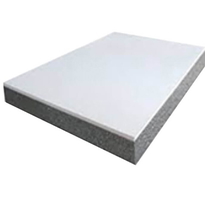
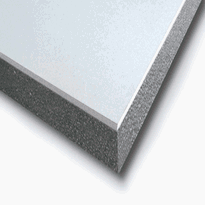
Insulated plasterboard with vapour barrier is a composite panel designed to combine thermal insulation and a finishing surface in a single, efficient product.
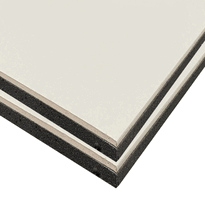
Its core insulation material generally consists of rigid foam, such as Polyisocyanurate (PIR) or polyurethane, which provides high thermal resistance. PIR cores typically exhibit a thermal conductivity around 0.022 W/mK, contributing to effective heat retention.
The plasterboard, usually 12.5 mm thick with tapered or square edges, is bonded directly to the insulation core to create a durable, unified panel.
A vapour barrier, often made of metalised foil or composite kraft paper facing, is integrated or laminated onto the insulation surface to prevent moisture ingress.
These composite layers are bonded tightly, resulting in a rigid, rot-resistant panel that simplifies installation, reduces drying times, and offers long-term performance in building projects.
Benefits of Incorporating Vapour Barriers in Wall Systems
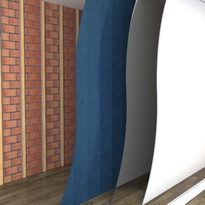
Vapour barriers are a critical element of wall systems, offering effective control over moisture movement within the structure. By restricting the transmission of water vapour from warm indoor environments to cooler external layers, vapour barriers help minimize internal moisture buildup. This reduction in moisture accumulation is essential in preventing issues such as mould growth, timber rot, and corrosion of metal components, thus safeguarding the longevity of the building. Proper placement of vapour barriers is vital to ensure they optimize their protective function. When correctly positioned, they minimize moisture ingress, protect insulation materials, and help maintain their thermal performance over time. Additionally, vapour barriers enable the controlled drying of wall assemblies during colder months by allowing outward moisture escape, provided they're suitable for the specific climate conditions. Properly installed vapour barriers also contribute to indoor air quality by reducing the potential for indoor moisture-related problems. Using vapour barriers contributes significantly to the durability of the building, preserving insulation performance and improving indoor air quality. Their integration into wall systems supports long-term, energy-efficient, and safe construction, making them an indispensable component in modern building practices across the UK. They are often installed over the warm side to prevent moisture from inside the building migrating outward, especially in regions with high humidity.
Installation Tips and Considerations for Optimal Performance
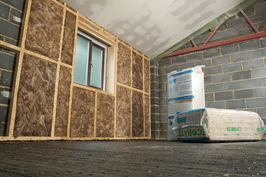
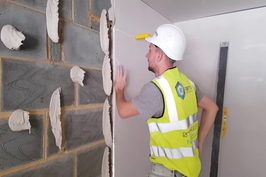
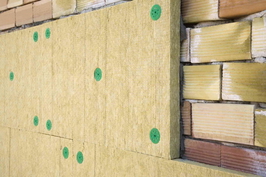
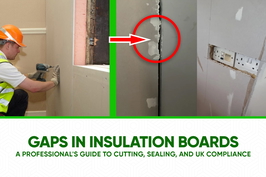
Achieving optimal performance when installing insulated plasterboard with a vapour barrier requires meticulous attention to surface preparation, fixing methods, and sealing procedures. Walls should be clean, dry, flat, and stable to ensure strong adhesion and to minimize moisture risks, especially on external or timber and steel-framed walls where moisture infiltration can be a concern. Use a continuous zigzag bead of adhesive combined with mechanical fixings, such as screws, positioned at regular intervals to secure the boards firmly. Accurate measurement is essential; boards should be cut slightly smaller than the wall height to allow for adjustments and to maintain a tight fit. Proper positioning with seamless edges enhances insulation effectiveness and ensures vapor barrier continuity across the installation. Ensuring proper ventilation during and after installation is also crucial for preventing condensation issues and maintaining the integrity of the vapour barrier. Sealing of joints, overlaps, and penetrations must be carried out carefully using tape and sealing products recommended by the manufacturer. This prevents moisture ingress and maintains an effective vapour control layer. Additionally, selecting insulation materials with weather and UV resistance can further improve the durability and performance of external installations, aligning with best practices from the Primary Pro Pro Insulation range. Always adhere to the manufacturer’s guidelines and comply with local building regulations. Ensuring airtight seals and correct vapor barrier placement will maximize the performance and durability of the insulated plasterboard in your project.
Conclusion
Incorporating vapour barriers into insulated plasterboard enhances the durability of wall systems by preventing moisture ingress, which can lead to structural damage and diminish insulation performance. Selecting the appropriate vapour barrier, along with correct installation and careful handling, is crucial to optimize system effectiveness and ensure long-term reliability.
When properly integrated, these solutions support energy efficiency and contribute to healthy indoor air quality. Adhering strictly to installation guidelines guarantees optimal results, making insulated plasterboard with vapour barriers a practical and high-performance choice for modern wall constructions across a variety of environments in the UK.
Featured Articles on Insulated plasterboard with vapour barrier