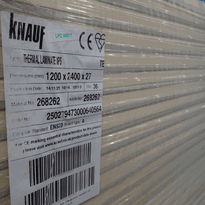
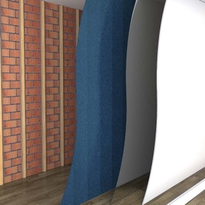
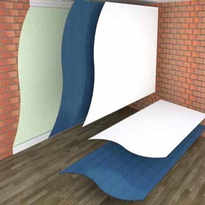
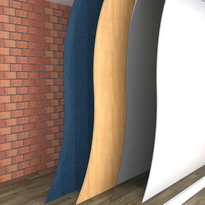
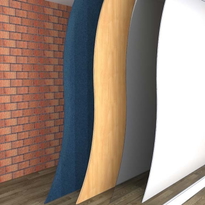
Vapour Barrier Insulated Plasterboard
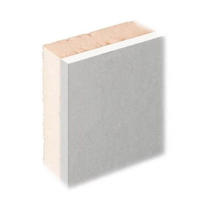
Vapour barrier insulated plasterboard integrates structural plasterboard with a moisture-resistant core, often featuring foil-backed layers to minimise humidity transfer. It enhances thermal performance while effectively managing moisture and vapour movement within wall cavities, thereby reducing the risks of condensation, mould growth, and structural deterioration.
When selecting a suitable product, consider the insulation type, fire resistance, and moisture control properties to ensure it meets specific building requirements. Proper installation is crucial; this includes maintaining continuity of the vapour barrier and positioning it correctly on the warm side of the insulation to optimize its effectiveness.
Further guidance on suitable applications and technical specifications will assist in achieving optimal results for your project.
Composition and Structure of Vapour Barrier Insulated Plasterboard
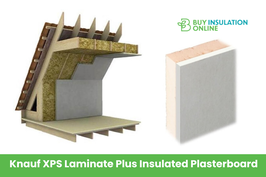
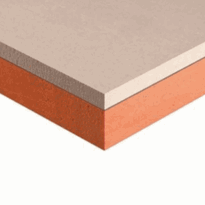
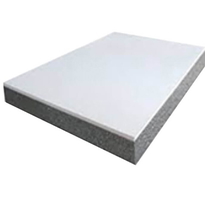
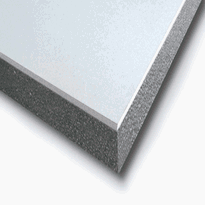
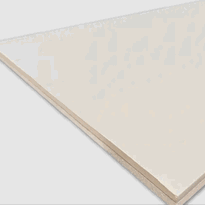
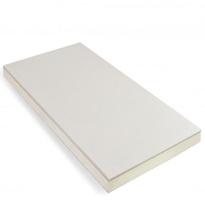
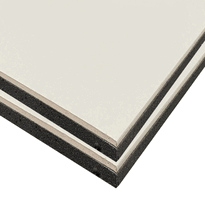
The composition and structure of vapour barrier insulated plasterboard are carefully designed to integrate thermal insulation, moisture control, and structural strength within a single panel. Typically, it consists of a plasterboard layer made from gypsum and paper, providing a stable and smooth surface ready for finishing. The core material is selected for its low thermal conductivity and moisture resistance, ensuring effective insulation and durability over time. Attached to this is a rigid insulation core, commonly constructed from polyisocyanurate (PIR) foam or polystyrene (such as XPS or EPS). This core enhances thermal resistance while also acting as a partial vapour barrier due to its low permeability to moisture. Some variants feature a foil-backed facing—often a metalised foil laminated onto the insulation—further improving vapour barrier properties. The thickness of the insulation varies, generally ranging from 25 mm to 150 mm, which influences the overall thermal performance and moisture management capabilities of the panel. When combined with airtightness solutions like vapour control layers, this integrated design allows for straightforward installation and offers reliable moisture control within wall structures, helping to maintain a comfortable and energy-efficient internal environment.
Functions and Benefits of Vapour Barriers in Wall Systems
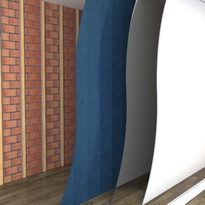
How do vapour barriers function within wall systems to improve building performance and durability? Vapour barriers prevent moisture vapour from the ground or indoor air penetrating walls and insulation, effectively reducing the risk of material saturation that can lead to structural damage and mould growth. [Preventing moisture ingress is crucial for maintaining building integrity. Proper placement, typically on the warm side of insulation in cold climates, minimizes water vapour flow and condensation inside wall cavities. By controlling moisture, vapour barriers protect timber framing and insulation from decay, thereby extending the lifespan of the structure. They also enhance indoor air quality by reducing mould, mildew, and damp odours, while inhibiting soil-based contaminants such as radon gas. Furthermore, vapour barriers help maintain thermal resistance, preventing heat loss due to moisture-laden materials, and contribute to energy efficiency and overall building durability. Selecting appropriate pipe insulation tools can also facilitate proper installation of vapour barriers and related materials.
Selection, Installation, and Performance of Vapour Barrier Insulated Plasterboard
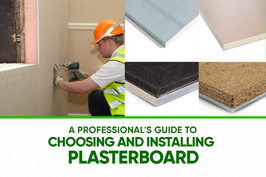
Selecting the appropriate vapour barrier insulated plasterboard requires careful consideration of the specific performance requirements, project budget, and regulatory standards in the UK. Various types are available, including EPS, PIR, HP+, and phenolic boards, each offering different thermal, fire, and moisture resistance properties suitable for diverse applications. It is also important to consider the moisture management properties of the material to prevent issues related to dampness and condensation.
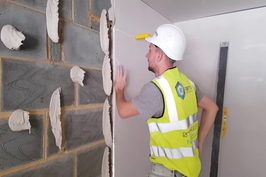
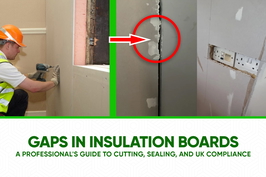
The installation process must emphasise ensuring vapour barrier continuity at joints, around openings, and in areas where insulation thickness varies. Some insulated plasterboards come with a built-in vapour barrier, simplifying installation and reducing the risk of gaps. Additional barriers, such as polyethylene films, may be necessary to ensure compliance with building regulations and to optimise moisture control.
The following table provides a summary of key features:
Material |
Thermal Conductivity (K-Value, W/m·K) |
Fire Resistance |
Moisture Resistance |
| EPS | Moderate | Low | Low |
| PIR | Low | High | Moderate |
| HP+ | Very low (improved insulation) | High | High |
| Phenolic | Very low (excellent insulation) | Very high | Moderate |
Choosing the correct material and ensuring precise installation are essential for achieving optimal thermal performance, fire safety, and moisture management, thus ensuring compliance with UK building standards and building performance expectations.
Conclusion
Proper selection and installation of vapour barrier insulated plasterboard are crucial for effective moisture control and thermal efficiency within wall systems. Choosing the appropriate type, correct placement, and thorough sealing of the vapour barrier help to enhance the durability of the building and prevent issues such as mould growth and structural damage. Adherence to technical standards and best practice guidelines ensures maximum performance, resulting in reliable insulation and humidity management. Precise application of these materials is essential for maintaining long-term building integrity, energy efficiency, and occupant comfort.
Featured Articles on Vapour barrier insulated plasterboard