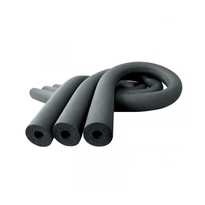
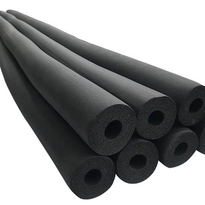
Understanding Refrigerant Lines and Their Insulation
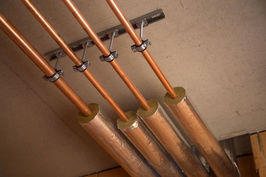
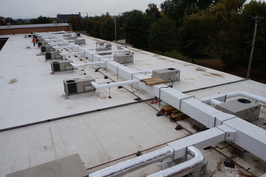
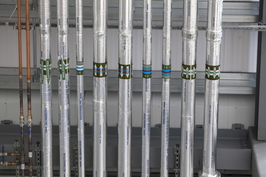
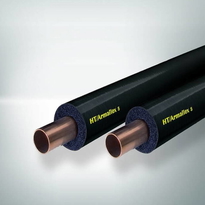
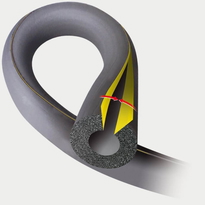
Refrigerant lines are vital components of air conditioning and refrigeration systems, transporting cooled or heated fluids between different parts of the setup. These lines connect the indoor and outdoor units, facilitating the smooth and efficient flow of refrigerant.
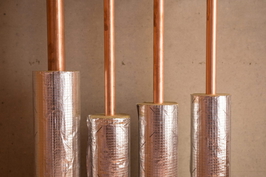
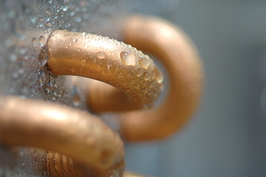
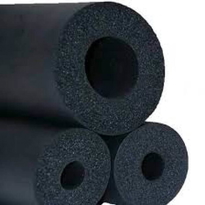
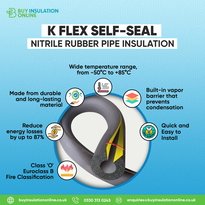
Understanding these lines underscores the significance of insulation, which plays a crucial role in preventing energy loss and protecting the system from damage caused by temperature fluctuations. Effective insulation minimises condensation on cold lines, reducing moisture build-up and the associated risk of corrosion.
Additionally, it enhances overall system efficiency, leading to energy savings and lower utility bills. Grasping how refrigerant lines operate and the importance of insulation empowers homeowners and technicians alike to maintain optimal performance and extend the lifespan of their systems.
Proper care ensures comfort and efficiency, providing peace of mind for all users.
Choosing the Best Materials for Refrigerant Line Insulation
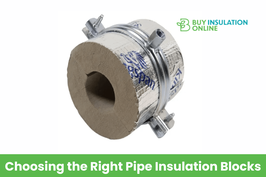
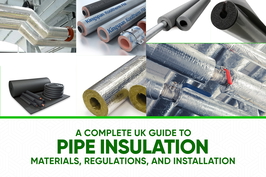
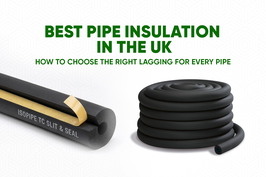
Choosing the right materials for refrigerant line insulation is crucial for ensuring efficient system performance and preventing issues such as condensation and energy loss. The ideal insulation materials strike a balance between durability, flexibility, and affordability.
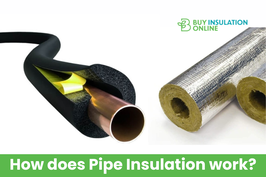
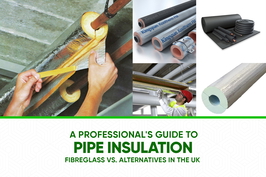
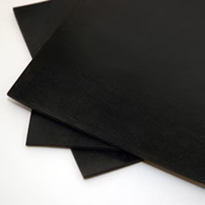
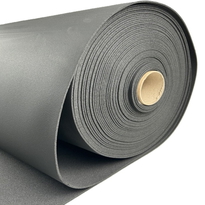
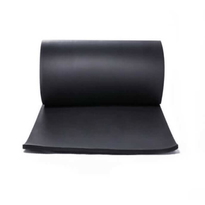
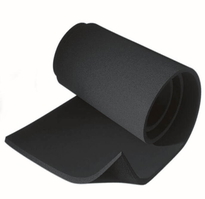
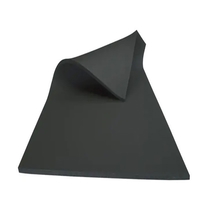
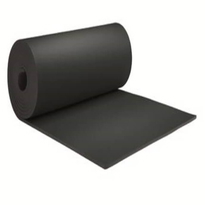
Common options include foam, rubber, and fibreglass, each with distinct properties suited to various environments.
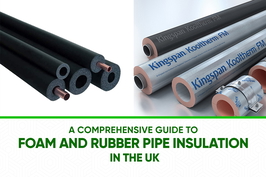
Foam insulation is lightweight and straightforward to install but may not offer sufficient resistance to moisture over time.
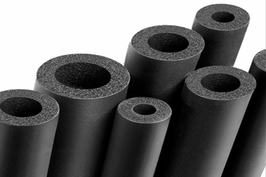
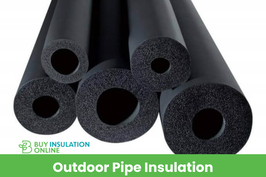
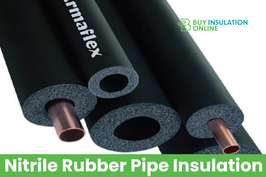
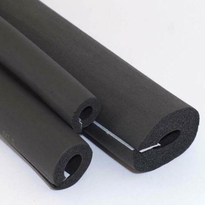
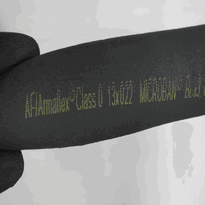
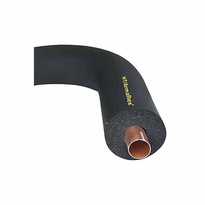
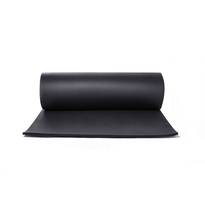
Rubber insulation, on the other hand, boasts excellent flexibility and moisture resistance, making it particularly suitable for outdoor or exposed lines.
Fibreglass provides effective thermal insulation but requires a vapour barrier to prevent moisture accumulation.
Ultimately, selecting the appropriate material based on the climate, installation environment, and budget enables users to create a reliable and enduring system.
This thoughtful choice fosters confidence in the insulation's effectiveness and longevity.
How to Install and Maintain Refrigerant Line Insulation
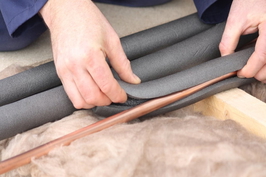
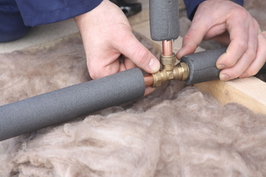
Proper installation of refrigerant line insulation begins with careful surface preparation and the selection of suitable materials. Ensure that surfaces are clean, dry, and free from dirt, grease, or remnants of old insulation. This step is crucial as it guarantees that the insulation adheres effectively, providing maximum protection.
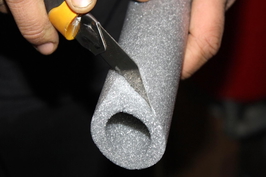
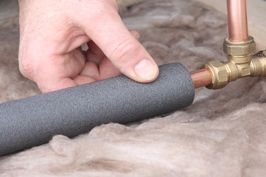
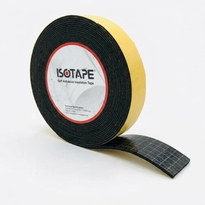
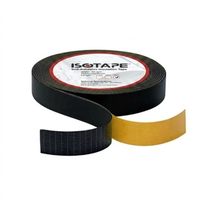
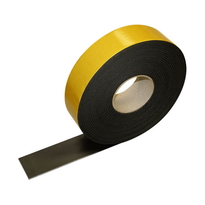
When installing, measure the required length and cut the insulation material accordingly. Ensure that all sections fit snugly together, eliminating any gaps. Secure the insulation using appropriate fasteners or adhesives that are recommended for the specific material.
Regular maintenance is vital for ensuring optimal performance. Periodically inspect the insulation for any signs of damage, wear, or moisture accumulation. If you identify any issues, address them promptly by repairing or replacing the affected sections.
Well-installed and properly maintained insulation not only improves system efficiency but also helps to reduce energy costs and prolong the lifespan of the refrigerant lines. This contributes to a more reliable and comfortable environment.
Common Problems With Refrigerant Line Insulation and How to Fix Them
One common issue with refrigerant line insulation is that it can become damaged or worn over time, which diminishes its effectiveness. When insulation deteriorates, it can lead to energy loss, higher energy bills, and potential system malfunctions. Frequent causes include exposure to the elements, physical wear, or improper installation. To tackle these problems, it’s essential to inspect insulation regularly and replace any damaged sections. Proper maintenance is vital for ensuring system efficiency and fostering a comfortable environment.
Common Issues and Solutions
| Issue | Cause | Solution |
| Cracks or tears | Physical damage, age | Replace or repair insulation |
| Moisture buildup | Poor sealing, leaks | Seal leaks and dry insulation |
| Detachment | Inadequate installation | Re-secure or reapply insulation |
| Mould or mildew | Excess moisture exposure | Clean and improve ventilation |
| Overall deterioration | Long-term weather exposure | Regular inspections and replacements |
Regular maintenance not only helps to maintain the efficiency of your cooling system but also contributes to a more sustainable living environment. Taking proactive measures can prevent larger, more costly issues down the line.
Signs Your Refrigerant Line Insulation Needs Attention
How can you tell if your refrigerant line insulation requires attention?
Visible indicators often include cracks, tears, or gaps in the insulation material. If the insulation appears waterlogged or is deteriorating, it may no longer effectively prevent heat transfer.
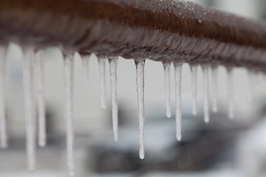
When insulation isn't intact, refrigerant lines can sweat or ice over, suggesting inadequate insulation performance.
You might also observe increased energy bills, as your cooling system must work harder to maintain desired temperatures. Unusual noises or inconsistent cooling can be further signs that your insulation needs replacement.
If any of these issues are present, it’s time to inspect and replace the insulation. Properly maintained insulation is essential for keeping your system efficient, saving energy, and minimising repair costs.
Addressing these signs promptly ensures your system continues to operate smoothly, keeping everyone comfortable.
Conclusion
Proper insulation of refrigerant lines is crucial for efficient system performance and energy savings. Selecting the appropriate materials, ensuring correct installation, and undertaking regular maintenance can prevent common issues such as leaks and temperature loss.
By being attentive to signs of insulation damage, both homeowners and technicians can enhance the longevity and efficiency of their HVAC systems. Consistent care and prompt repairs are key to maintaining optimal heating and cooling, ultimately leading to significant cost savings and avoiding expensive repairs.
Additionally, it is important to invest in high-quality insulation and to follow best practices during installation. This not only improves energy efficiency but also supports environmental sustainability by reducing energy consumption. Regular inspections can help identify potential problems early, ensuring your system operates at its best throughout the year.
In summary, investing time and resources in the insulation of refrigerant lines is a wise decision for anyone looking to optimise their heating and cooling systems.
Featured Articles on Insulated refrigerant line